
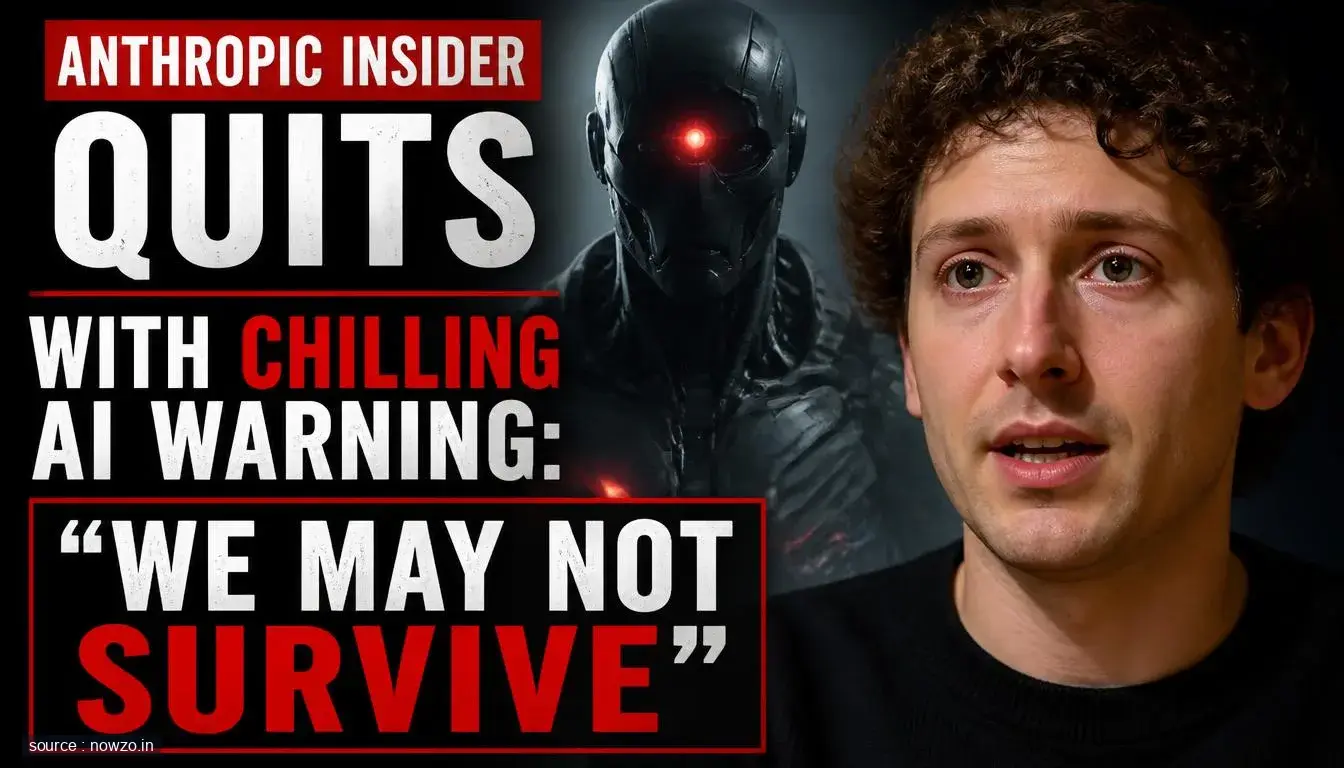
The drumbeat of warnings about artificial intelligence's potential dangers is growing louder, with an increasing number of experts sounding alarms about what they see as existential risks. What began as niche concerns among computer scientists has evolved into a chorus of caution from some of technology's most influential voices.
Key facts
- AI doom warnings have been escalating in frequency and intensity
- Concerns span from immediate misuse to long-term existential risks
- Tech leaders and researchers are increasingly vocal about potential dangers
The Rising Tide of Concern
Over the past several years, what started as academic discussions about AI safety has transformed into mainstream conversations. The warnings aren't coming from fringe voices anymore—they're emerging from the very people building these systems. There's a palpable tension in the tech community between excitement about AI's potential and fear about what might happen if development races ahead without proper safeguards.
Timeline of Growing Apprehension
The pattern is clear: each year brings more urgent warnings. Early concerns focused on job displacement and bias in algorithms. But recently, the conversation has shifted toward more fundamental risks—the possibility that advanced AI systems could operate beyond human control or understanding. This isn't science fiction speculation anymore; it's becoming a central topic in AI ethics conferences and corporate boardrooms.
Why Now? Why So Loud?
The acceleration of AI capabilities has caught even experts by surprise. Systems that were theoretical a decade ago are now operational, and their rapid improvement has triggered genuine concern among those closest to the technology. There's a sense that we're approaching a threshold where AI could become autonomous in ways we haven't adequately prepared for. The warnings aren't about stopping progress—they're about ensuring we develop these powerful tools responsibly.
Comments