
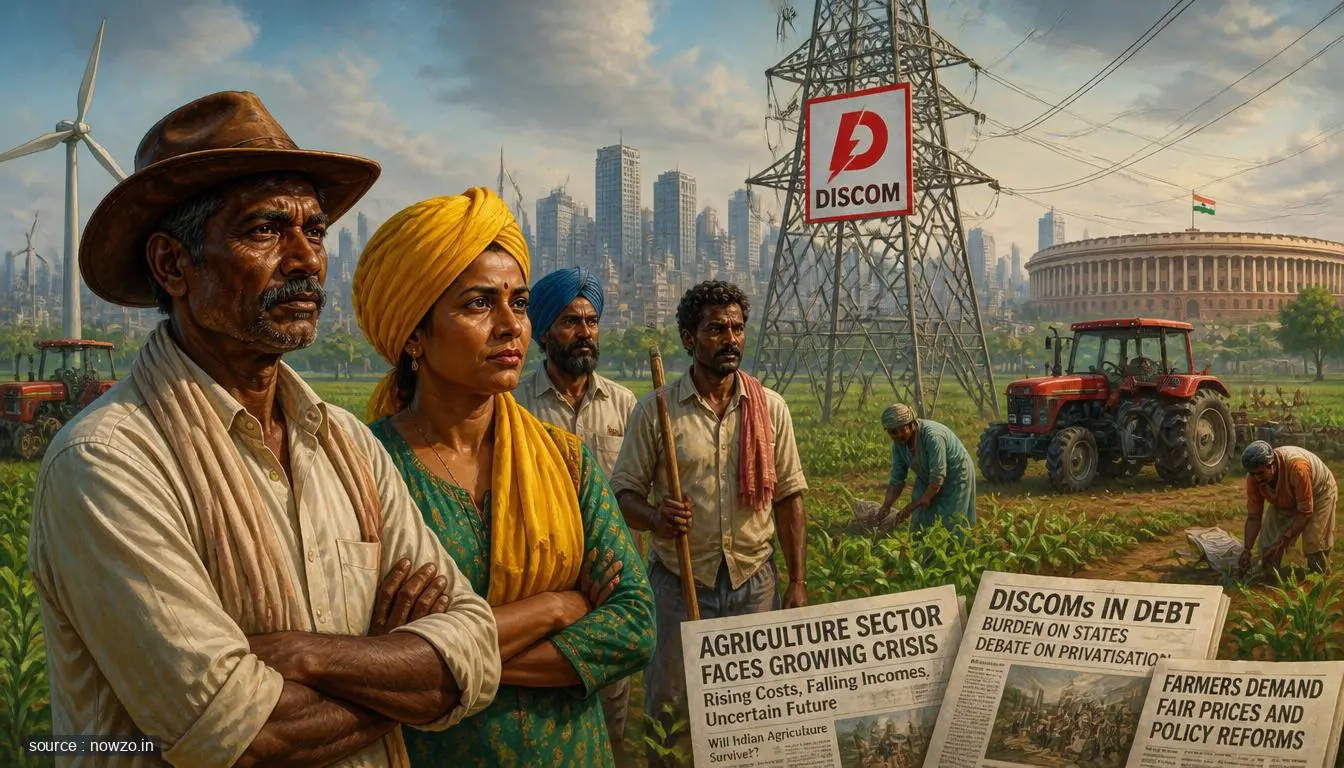
India's power distribution landscape is facing a significant transformation as discussions around dedicated agriculture DISCOMs gain momentum. The proposal, which would separate agricultural power supply from general distribution networks, has triggered intense debate among policymakers, farmer groups, and energy sector experts about its long-term implications for rural electrification and farm economics.
The concept of agriculture-specific distribution companies emerges against a backdrop of mounting financial stress in the power sector. State electricity boards and existing DISCOMs have accumulated substantial debt over the years, with agricultural subsidies forming a significant portion of their financial burden. The proposed restructuring aims to address these challenges, but critics question whether it merely shifts problems rather than solving them.
The Debt Challenge in Power Distribution
Power distribution companies across India have struggled with financial viability for decades. The agricultural sector, which receives heavily subsidised or free electricity in many states, contributes substantially to these fiscal pressures. State governments often delay or inadequately compensate DISCOMs for these subsidies, creating a cycle of debt accumulation.
The creation of separate agriculture DISCOMs is being positioned as a mechanism to bring greater transparency to farm power subsidies. By isolating agricultural supply, proponents argue that the true cost of farm electrification would become clearer, potentially enabling more targeted and efficient subsidy delivery. However, sceptics warn that this separation could expose agricultural consumers to harsher financial realities without adequate safeguards.
The existing debt burden of state DISCOMs remains a critical concern. Any restructuring must address how legacy liabilities will be allocated between new agricultural entities and general distribution companies. Without clear resolution mechanisms, the new DISCOMs could inherit financial instability from their predecessors.
Farm Subsidy Structure Under Scrutiny
Agricultural power subsidies represent one of India's most significant rural welfare expenditures. Farmers in several states receive electricity at highly subsidised rates or entirely free, a policy that has been politically sensitive but economically contentious. The proposed agriculture DISCOMs would make these subsidy flows more visible and accountable.
The restructuring raises fundamental questions about subsidy sustainability. If agriculture DISCOMs operate as standalone entities, their financial viability would depend heavily on timely and adequate state government support. Any shortfall in subsidy payments could directly impact service quality for farming communities, potentially affecting irrigation and agricultural productivity.
Farmer organisations have expressed apprehension about how the new structure might affect their access to affordable power. The transition period and subsequent operational framework will be crucial in determining whether the reform benefits or burdens the agricultural community.
Privatisation Concerns Take Centre Stage
Perhaps the most contentious aspect of the agriculture DISCOM proposal involves fears of eventual privatisation. Critics argue that separating agricultural supply could be a precursor to transferring these operations to private entities, fundamentally altering the character of rural power supply.
The concern stems from broader trends in India's power sector, where private participation has been encouraged to improve efficiency and reduce losses. However, agricultural consumers, particularly small and marginal farmers, worry that profit-driven private operators might prioritise commercial viability over universal service obligations.
Proponents of the reform counter that the primary objective is operational efficiency and financial discipline, not necessarily privatisation. They emphasise that public ownership can coexist with improved management practices. Nevertheless, the lack of explicit safeguards against future privatisation has fuelled opposition from farmer groups and political parties.
Implications for Rural Electrification
The creation of agriculture DISCOMs could have far-reaching consequences for rural India's energy access. Agricultural power supply, particularly for irrigation, remains critical for food security and farmer livelihoods. Any disruption or deterioration in service quality could have cascading effects on agricultural output.
The reform's success will depend on multiple factors: adequate capitalisation of new entities, clear subsidy mechanisms, robust regulatory oversight, and genuine stakeholder consultation. States implementing this model must ensure that efficiency gains do not come at the cost of service reliability for vulnerable farming communities.
As the debate continues, the agriculture DISCOM proposal represents a critical juncture in India's power sector evolution. The balance between financial sustainability, subsidy rationalisation, and farmer welfare will determine whether this restructuring delivers meaningful reform or merely redistributes existing challenges.


Comments