
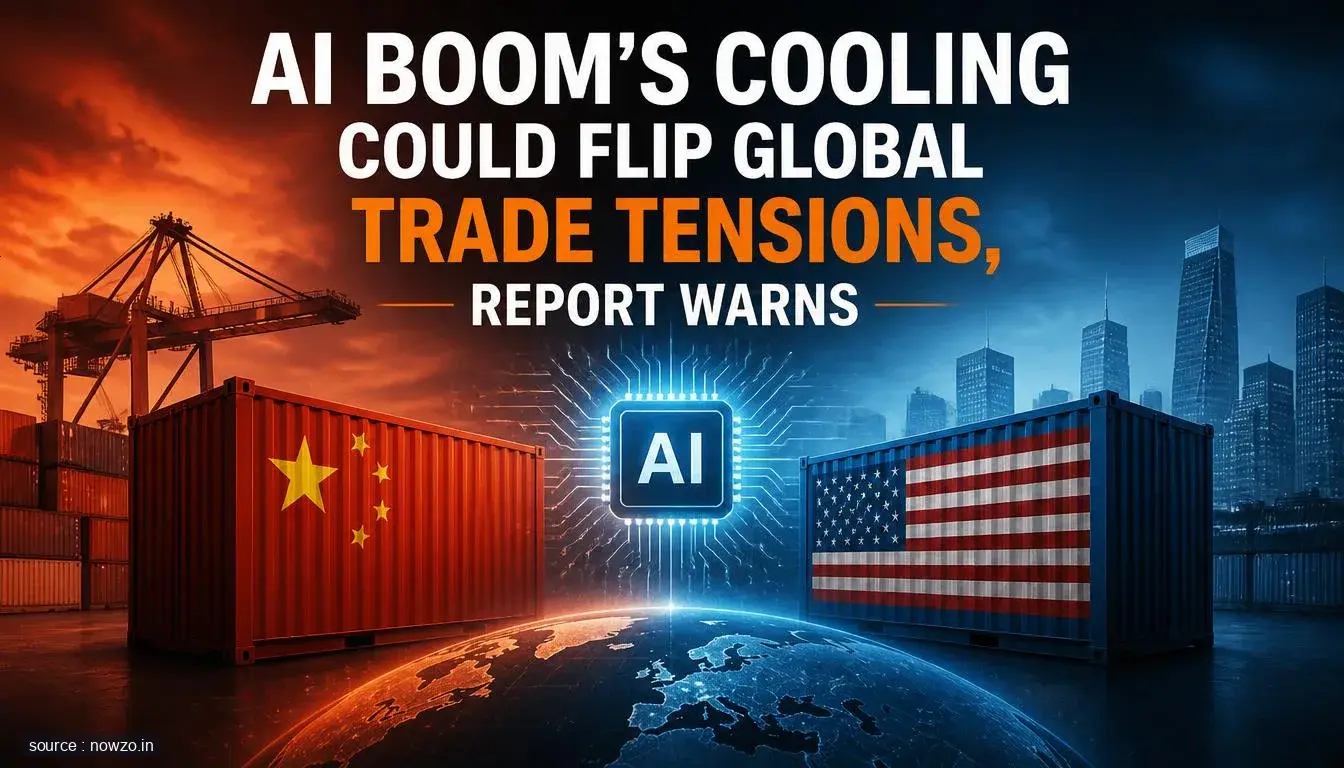
The breakneck pace of artificial intelligence expansion might be hitting a speed bump—and the economic consequences could ripple across oceans. A fresh analysis suggests that if the AI boom indeed slows, the balance-of-payments pressure currently felt across Asia could pivot toward the United States.
Key facts:
- AI boom slowdown may shift economic stress from Asia to US
- Report highlights potential change in global balance-of-payments dynamics
Changing Tides in Global Economics
For years, Asia has been at the center of technology manufacturing and supply chains, creating both economic opportunities and vulnerabilities. The region's economies have ridden the AI wave, but that ride might be getting bumpier. Investors and policymakers are watching closely as signals emerge that the explosive growth in artificial intelligence could be moderating.
From East to West: A Stress Shift
What happens in Silicon Valley doesn't stay in Silicon Valley—not when it comes to trillion-dollar technological revolutions. The report indicates that reduced AI investment and deployment could ease pressure on Asian manufacturing hubs while simultaneously creating new challenges for American tech giants and their financial backers.
Reading the Economic Tea Leaves
While the analysis doesn't predict doom, it does suggest we should prepare for changing currents in global trade. The United States, which has benefited tremendously from AI innovation and investment, might need to brace for different types of economic headwinds if the sector's growth trajectory flattens.





Comments