
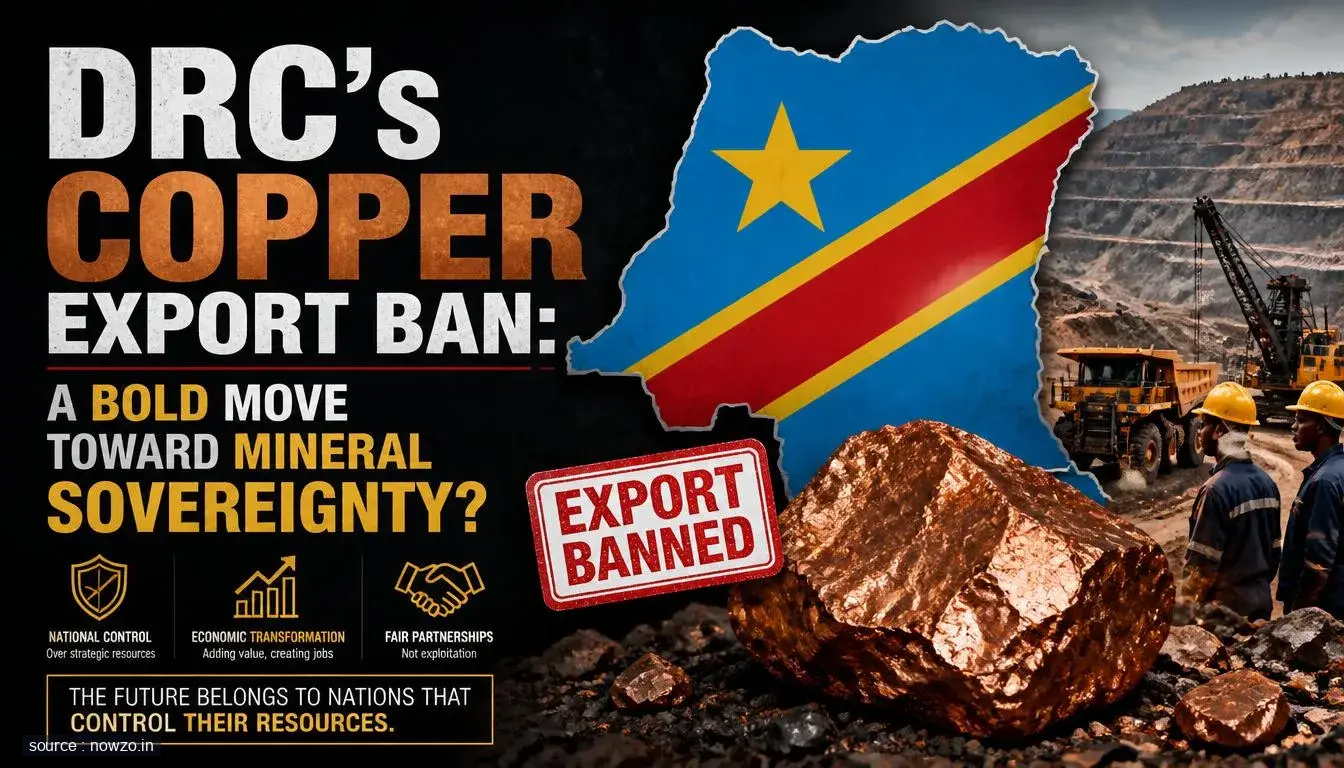
The Democratic Republic of Congo is weighing a copper export ban as part of a broader push to gain greater control over its vast mineral wealth, raising a critical question: can such a measure finally deliver genuine mineral sovereignty for the country?
A Push for Greater Control
The DRC holds some of the world's most significant copper reserves, yet much of the value generated by these resources flows out of the country through raw exports. The proposed ban reflects growing frustration with this dynamic and a desire to capture more economic benefit domestically.
What Mineral Sovereignty Means
At its core, mineral sovereignty refers to a nation's ability to determine how its natural resources are extracted, processed, and sold. For the DRC, achieving this would mean shifting away from simply exporting raw copper and toward building local processing capacity that creates jobs and retains value within its borders.
Challenges Ahead
While the ambition behind the export ban is clear, implementing such a policy comes with significant hurdles. Questions remain about whether the country has the infrastructure and investment needed to process copper domestically at scale.
As the debate continues, the DRC's copper export ban proposal stands as a defining test of whether resource-rich African nations can translate mineral wealth into lasting economic independence.





Comments