
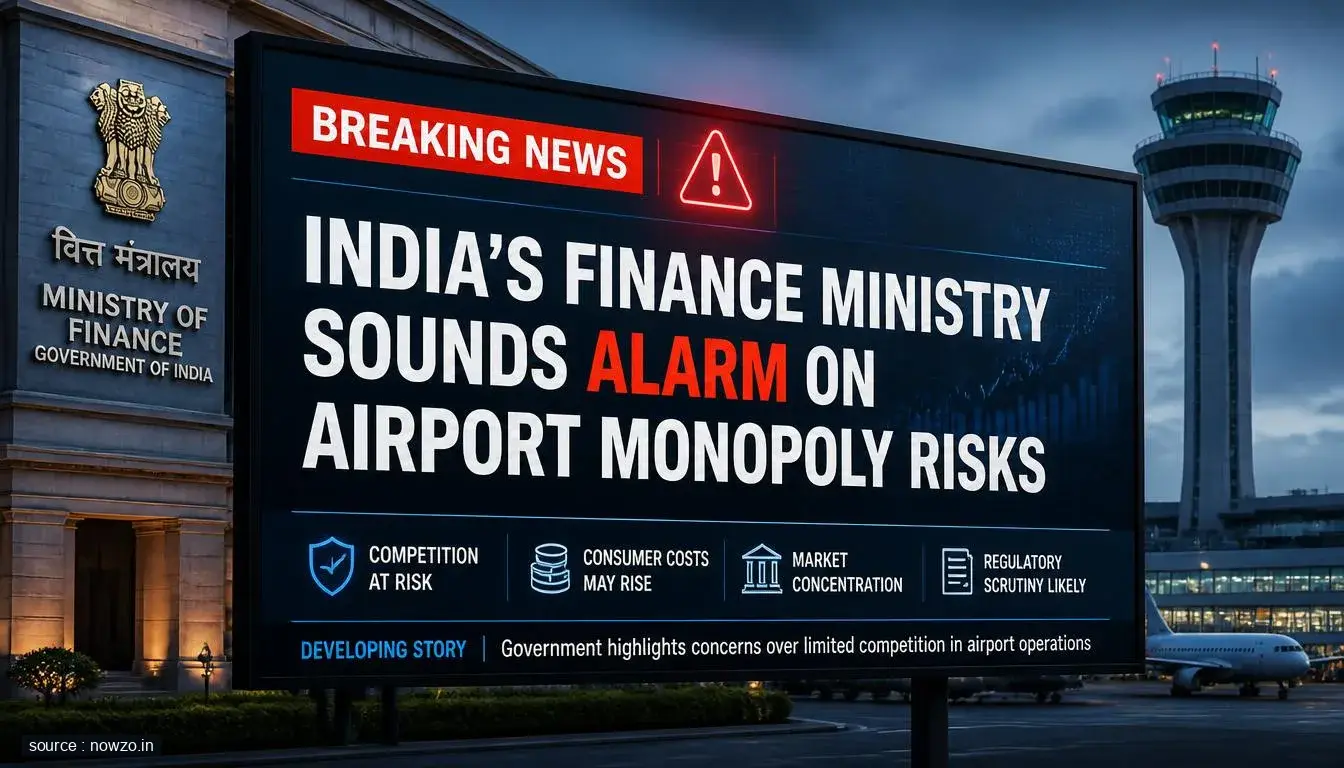
The push to privatize India's airports is hitting turbulence from an unexpected quarter: the nation's own Finance Ministry. In a sharp intervention, officials have raised concerns that current approaches risk creating powerful oligopolies in the skies, potentially leaving travelers and airlines with fewer choices and higher costs.
Key facts
- Finance Ministry warns current airport privatization could create oligopolies
- Urges reforms to ensure competitive bidding and market fairness
- Seeks to prevent concentration of aviation infrastructure among few players
Growing Concerns Over Market Concentration
As India accelerates its airport modernization drive, the Finance Ministry's warning comes at a critical juncture. The concern isn't about privatization itself—but how it's being executed. Ministry analysts worry that without proper safeguards, a handful of players could dominate the aviation infrastructure landscape, reducing competition and potentially driving up costs for airlines and passengers alike.
The Competition Question
At the heart of the ministry's apprehension lies the bidding process itself. Current mechanisms, officials suggest, might inadvertently favor established players with deep pockets and existing aviation portfolios. This could create barriers for new entrants and ultimately lead to market consolidation rather than the healthy competition privatization was meant to foster.
Looking Ahead: Reforms on the Horizon
The Finance Ministry's intervention signals growing unease within government circles about market dynamics in critical infrastructure sectors. Their recommendations likely include tighter antitrust scrutiny, more transparent bidding criteria, and safeguards to prevent any single entity from controlling multiple key airports. How these concerns will shape future privatization rounds remains to be seen, but the warning shot has been fired—loud and clear.





Comments