
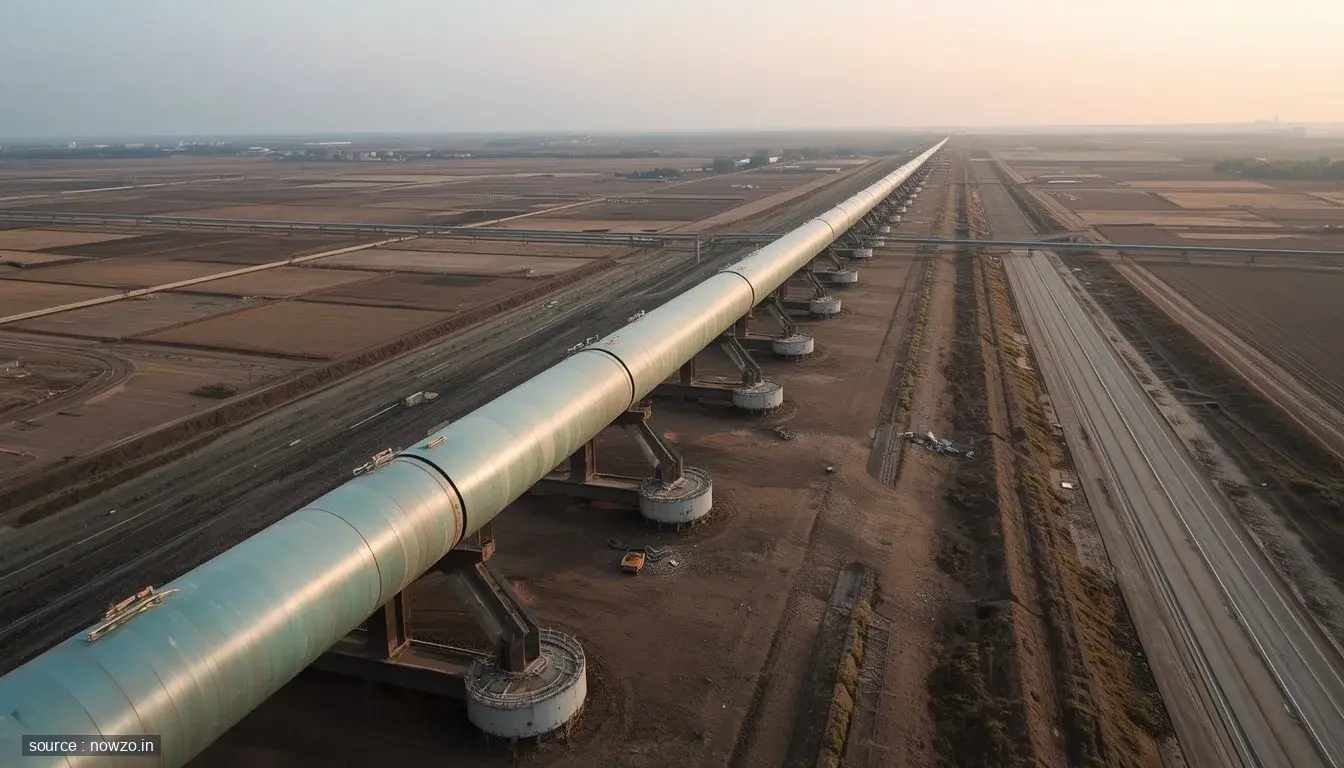
India's energy landscape is set for a major transformation with the approval of a sprawling new LPG pipeline network. The country's oil regulator has given the green light to a project that promises to reshape how liquefied petroleum gas moves across regions.
A Strategic Energy Corridor
This isn't just another infrastructure project—it's a carefully calculated move to strengthen India's energy security. The massive pipeline will create vital connections between production centers and consumption hubs, potentially reducing transportation costs and improving supply reliability for millions of households and businesses that depend on LPG.
The authorization signals strong regulatory support for expanding India's energy infrastructure to meet growing demand.
Logistics Revolution
Imagine the impact: instead of relying solely on road tankers crisscrossing the country, LPG will flow through dedicated pipelines. This means fewer trucks on highways, lower emissions, and more consistent delivery schedules. For regions currently facing supply challenges, this could be a game-changer.
| Metric | Value |
|---|---|
| Network Length | 1,800 km |
| Project Cost | Rs 7,000 crore |
What This Means for India's Energy Future
The scale of this investment speaks volumes about India's commitment to modernizing its energy infrastructure. While the immediate benefits include improved LPG distribution, the broader implication is a more resilient energy network that can support economic growth and energy access goals.
Regulators clearly see pipelines as critical infrastructure—not just for today's needs but for building capacity that will serve the nation for decades to come.
This article reports regulatory developments; it does not constitute investment advice.



Comments