
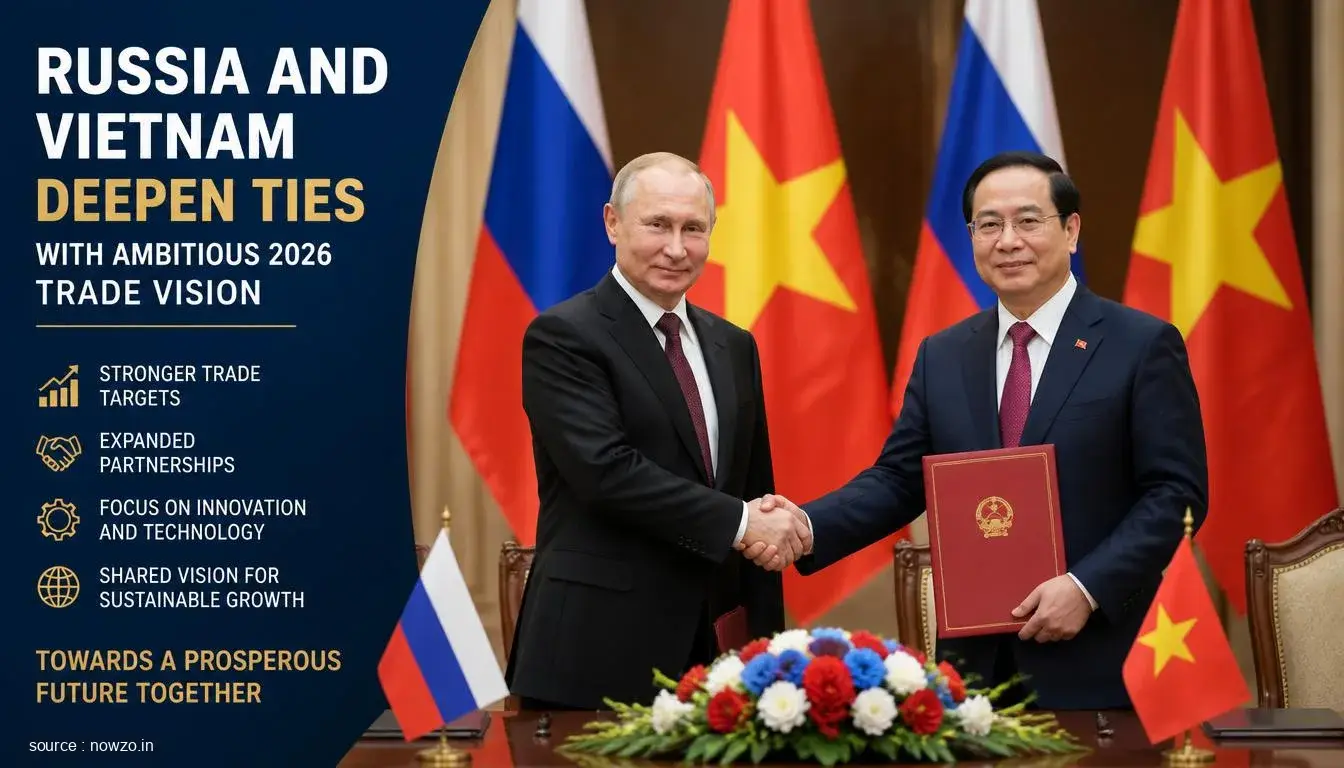
As global trade lanes shift, Russia is turning east—and Vietnam is answering. The two nations are sketching an ambitious blueprint for cooperation, stretching from energy and defense to digitization and tourism, with eyes set firmly on 2026.
A Multi-Sector Push
This isn’t just another trade agreement. It’s a layered strategy touching nearly every pillar of modern economies. Energy security, long a concern for growing nations, sits high on the agenda. Defense collaboration suggests deeper strategic alignment. And then there’s technology—digitization efforts could streamline everything from government services to cross-border payments.
Tourism, too, gets a spotlight. Both countries see untapped potential in attracting visitors, building people-to-people bridges alongside economic ones.
Russia’s Pivot to Asia
This Vietnam push fits neatly into Moscow’s broader recalibration toward Asia. With traditional partnerships under strain, Russia is courting friendly nations in the East—offering investment, technology, and diplomatic warmth.
| Sector | Focus |
|---|---|
| Energy | Collaboration on supply and infrastructure |
| Defense | Strategic partnerships and technology exchange |
| Technology | Digitization and innovation initiatives |
| Tourism | Visa facilitation and promotional campaigns |
For Vietnam, the partnership offers a chance to diversify its economic portfolio and strengthen ties with a major resource player. It’s a relationship built on mutual need—and timing.
What’s Next?
By 2026, we should see clearer outcomes: joint ventures in energy, tech startups with shared backing, perhaps even co-developed defense systems. The follow-through will matter. If both sides deliver, this could become a template for how Russia engages in Asia—pragmatic, multi-faceted, and long-term.
This article is for informational purposes only and does not constitute investment or trade advice.


Comments