
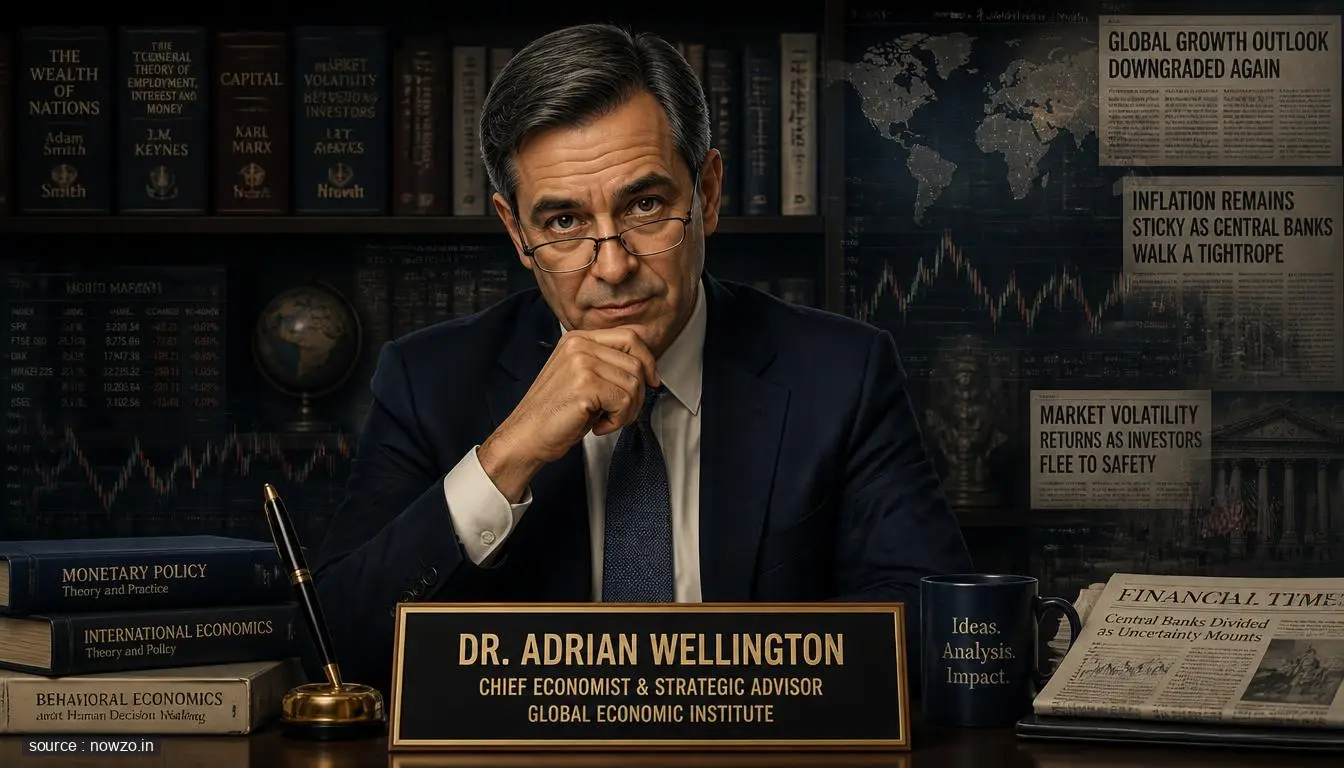
The world’s most influential economist is once again at the center of global debate, though not entirely for the reasons supporters might expect. While their ideas continue to shape economic policy discussions across governments and institutions, critics argue that recent positions have been oddly unconvincing.
Influence Versus Persuasion
There is little doubt about the economist’s reach. Their work informs policy decisions, frames academic discussions, and often sets the tone for how governments respond to financial challenges. However, influence does not always translate into persuasion.
Observers note that while the economist’s theories are widely cited, they have also sparked disagreement among policymakers and fellow economists. Some argue that key arguments lack clarity or fail to fully address complex real-world conditions.
Growing Criticism
Criticism appears to be mounting, particularly around how certain economic prescriptions are communicated. Detractors suggest that the reasoning behind some proposals feels incomplete or overly simplified, leaving room for doubt.
At the same time, supporters maintain that the economist’s contributions remain valuable, emphasizing their role in shaping modern economic thought. Still, the divide highlights a broader tension between academic influence and practical acceptance.
A Complicated Legacy
The situation underscores a larger reality in economics: even the most prominent voices are not immune to scrutiny. As global economic challenges evolve, so too does the demand for clearer, more convincing arguments.
For now, the economist’s influence remains intact, but the debate over their persuasiveness signals that authority alone is no longer enough to win universal support.





Comments