
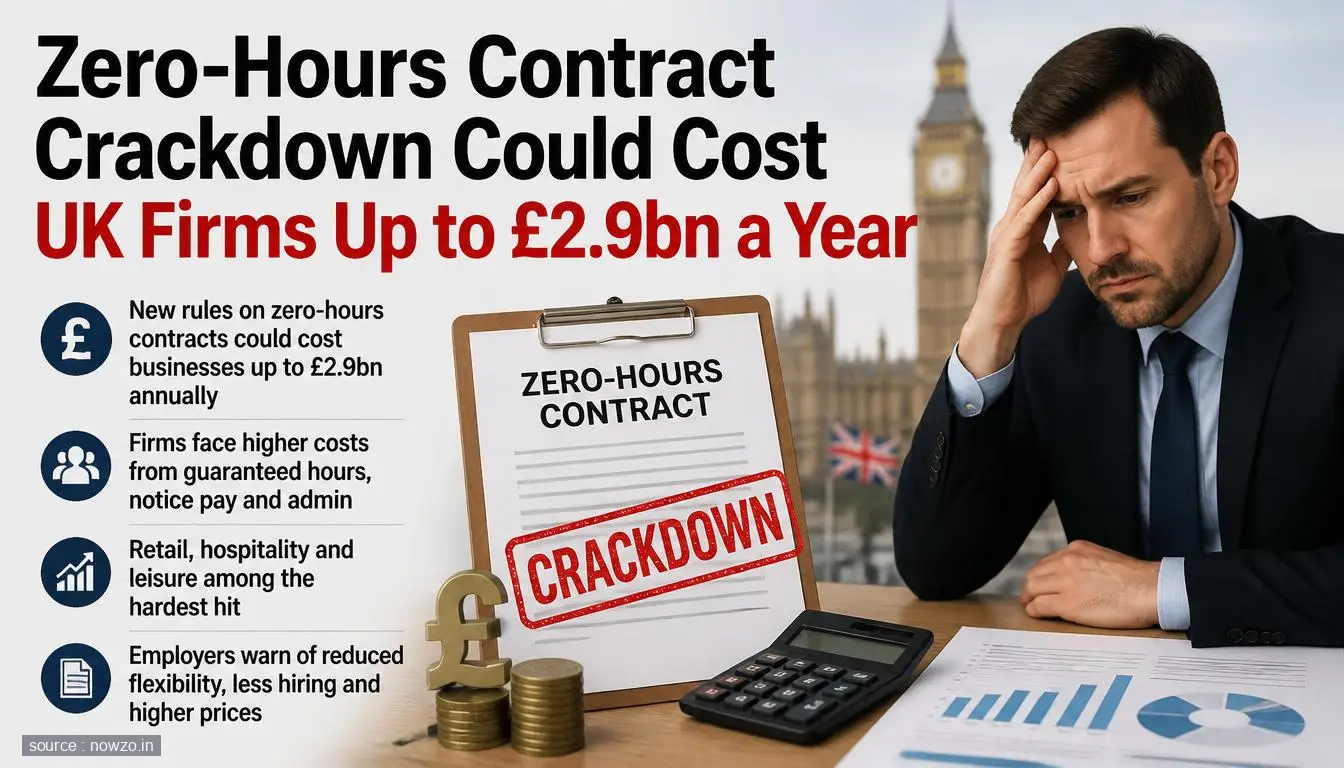
A proposed crackdown on zero-hours contracts could cost UK businesses as much as £2.9bn a year, according to new analysis of the government's employment reforms.
The figure highlights the scale of the financial impact facing employers as ministers push ahead with plans to tighten rules around the use of zero-hours contracts, which have long been a contentious feature of the British labour market.
What the Crackdown Involves
Zero-hours contracts, which do not guarantee workers a set number of hours each week, have been widely used across sectors including hospitality, retail and social care. Supporters argue they offer flexibility for both employers and staff, while critics say they leave workers without financial security or predictable income.
The government's reforms aim to curb what ministers have described as exploitative practices, giving workers greater certainty over their hours and earnings. The measures form part of a broader package of employment rights changes that has been closely watched by businesses and unions alike.
Cost to Businesses
The analysis suggests the crackdown could cost firms up to £2.9bn a year, a figure that will add to concerns among employers already grappling with rising wage bills and other regulatory pressures.
Business groups have previously warned that sweeping changes to employment law risk increasing costs and reducing flexibility at a time when many companies are under strain. The potential £2.9bn annual hit is likely to intensify calls for the government to phase in the changes carefully and consult closely with industry.
Balancing Rights and Flexibility
The debate over zero-hours contracts has long divided opinion. Unions and campaigners have pressed for stronger protections, arguing that insecure work leaves many people unable to plan their finances or access benefits such as sick pay and holiday entitlement.
Employers, however, have cautioned that overly rigid rules could limit their ability to respond to fluctuating demand, particularly in seasonal industries. Some have also warned that higher costs could ultimately be passed on to consumers or lead to reduced hiring.
What Happens Next
The government has signalled its determination to deliver on its manifesto commitments to strengthen workers' rights, and the zero-hours crackdown is expected to remain a central plank of that agenda.
With the potential cost to businesses now estimated at up to £2.9bn a year, attention will turn to how the reforms are implemented and whether any concessions are made to ease the burden on employers. Further details on the timeline and scope of the changes are expected as the legislation progresses.




Comments