
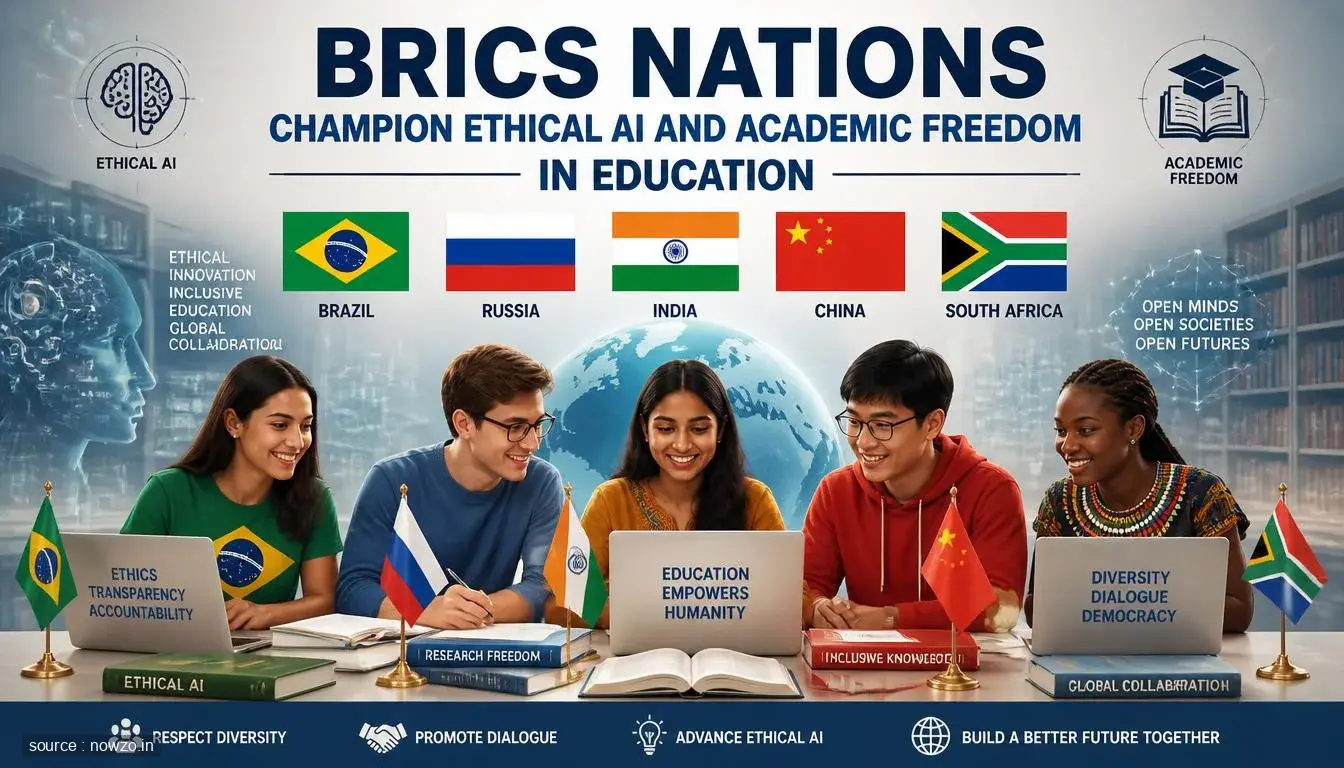
In a significant move, the BRICS alliance has thrown its weight behind the ethical integration of artificial intelligence in education while championing greater academic mobility across member nations. The group's stance underscores a growing global awareness of both the promise and perils of AI in shaping future learning environments.
- BRICS advocates for safe and ethical AI use in educational systems.
- The alliance supports enhanced academic mobility among member countries.
- This initiative aims to balance technological innovation with ethical responsibility.
A Push for Responsible Innovation
As AI continues to transform classrooms and curricula worldwide, BRICS is urging a cautious approach. The alliance emphasizes that while AI can personalize learning and expand access, its deployment must prioritize safety, equity, and ethical considerations. This isn't about stifling progress—it's about ensuring that innovation serves humanity without compromising core values.
Fostering Global Academic Exchange
Alongside its AI guidelines, BRICS is pushing to break down barriers to academic mobility. By supporting easier movement of students and scholars across borders, the group hopes to cultivate a richer, more collaborative educational landscape. It's a vision of learning without boundaries, where ideas flow freely and diverse perspectives fuel discovery.
Why This Matters Now
With AI advancing at breakneck speed, this call from BRICS feels both timely and urgent. It reflects a shared understanding that technology must be harnessed wisely, especially in spaces as formative as education. The alliance's dual focus on ethics and mobility signals a thoughtful, human-centered path forward—one that other global bodies may well take note of.


Comments