
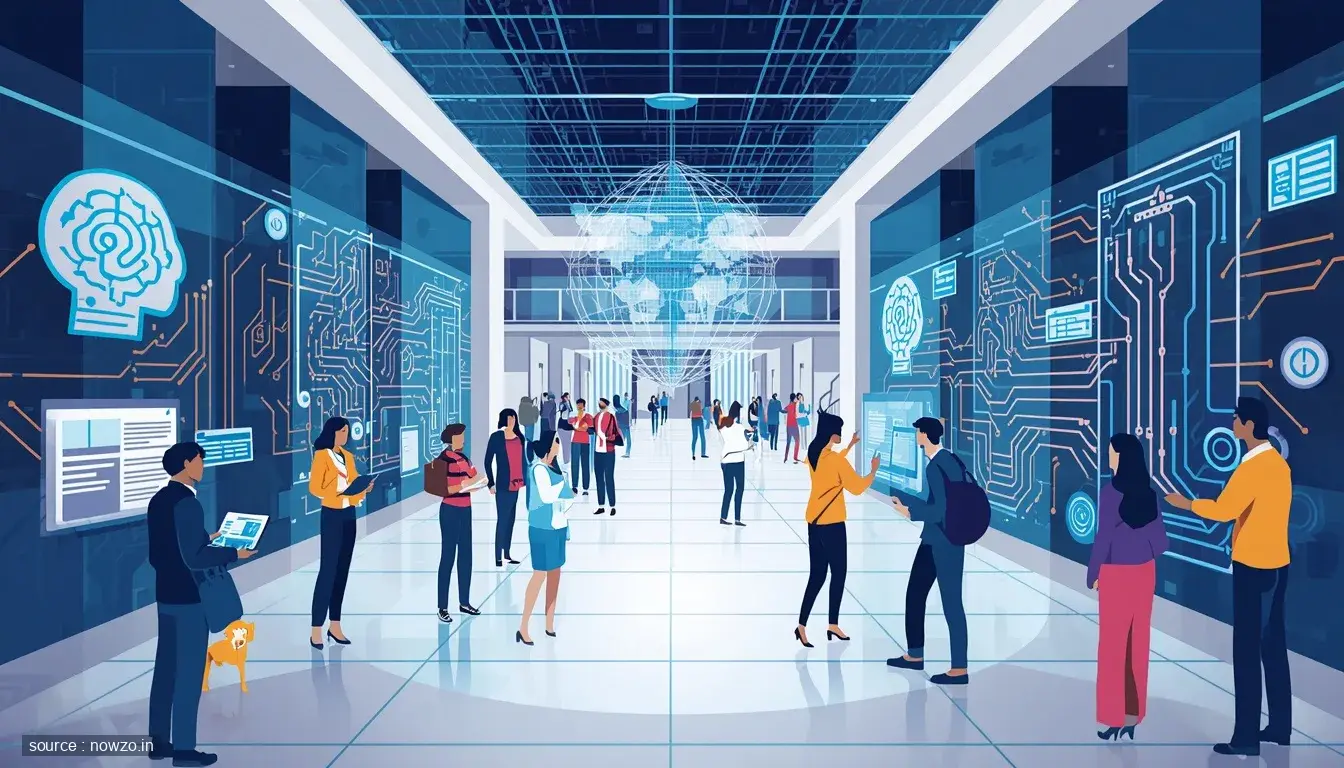
Walk through any computer science department these days, and you can almost feel the change in the air. Syllabi are being rewritten, lab equipment upgraded, and faculty retraining—all with one goal: preparing the next generation of tech talent for a world increasingly shaped by artificial intelligence.
Key facts
- Universities are updating curricula to include AI and machine learning
- New laboratory resources and computing infrastructure are being deployed
- Faculty development programs focus on emerging AI teaching methods
The Curriculum Shift
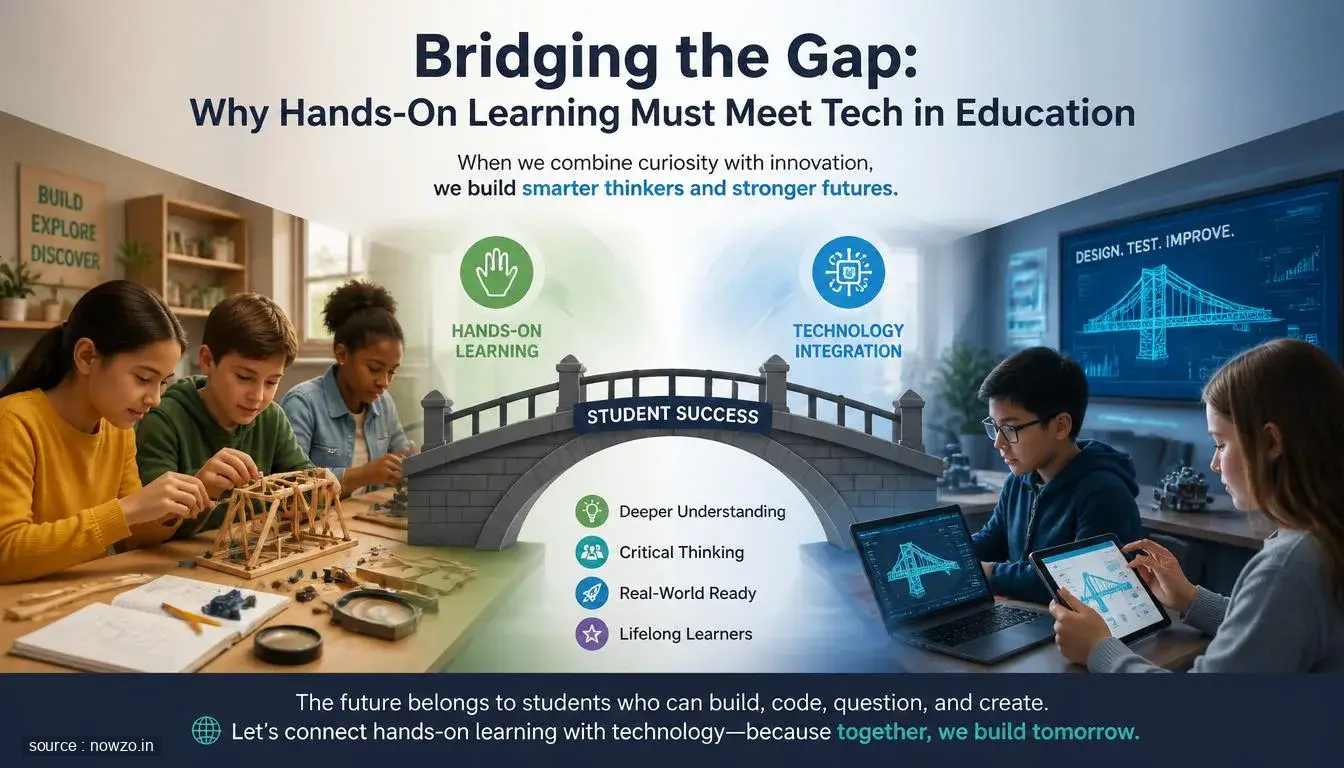
Gone are the days when a single programming course could suffice. Now, students encounter AI concepts woven throughout their coursework—from introductory classes to advanced specializations. The approach is increasingly interdisciplinary, blending computer science with ethics, business, and even creative arts.
Infrastructure Investments
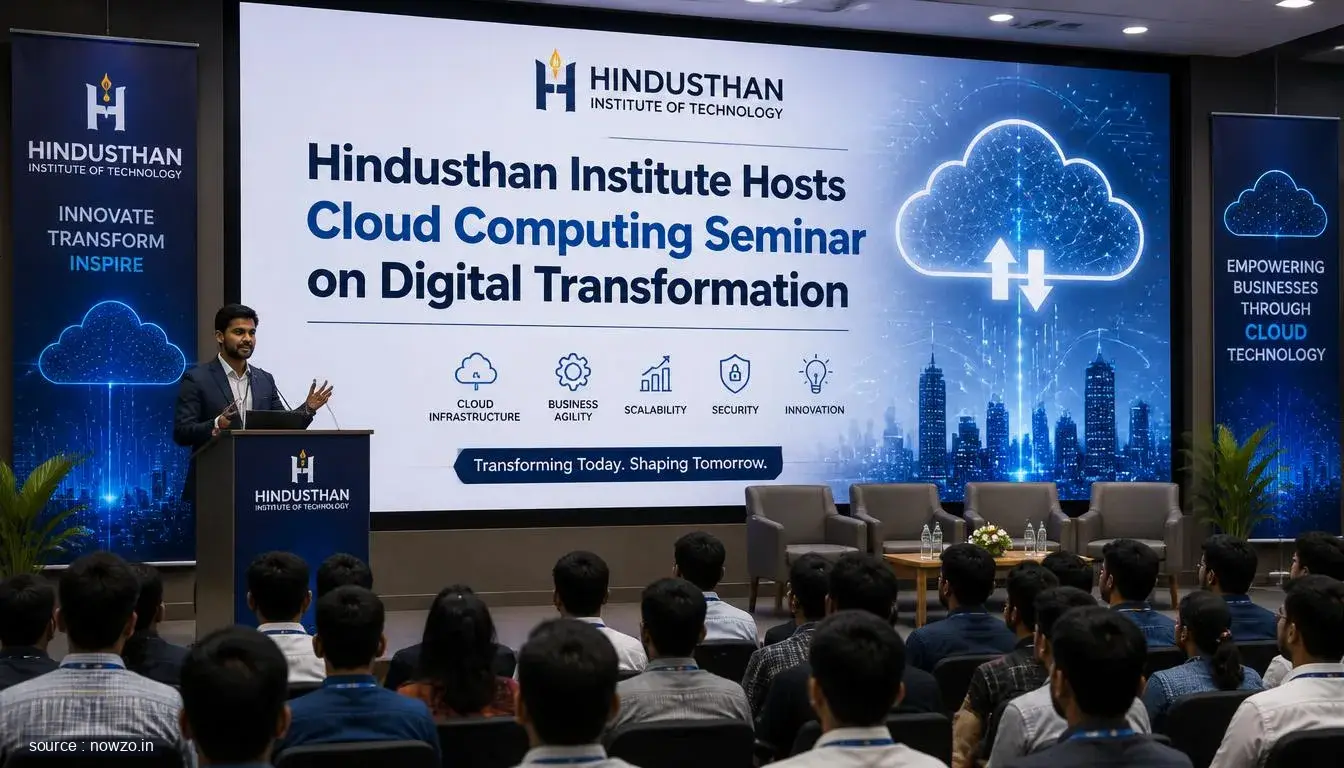
Behind the scenes, universities are making significant investments in computing power and data resources. High-performance clusters, cloud computing access, and specialized software are becoming standard issue in tech programs. It's not just about having the tools; it's about giving students hands-on experience with the same systems they'll use in industry.
Preparing Faculty
Perhaps the most challenging aspect is ensuring professors and instructors themselves stay current. Professional development programs have shifted focus toward AI pedagogy, with many institutions creating dedicated support roles for faculty transitioning to teaching emerging technologies.
The Student Experience
For students, these changes mean more relevant skills upon graduation—but also steeper learning curves. The pace of change has accelerated, requiring adaptability both in and out of the classroom. Those who embrace the challenge find themselves exceptionally well-positioned for the job market.

Comments