
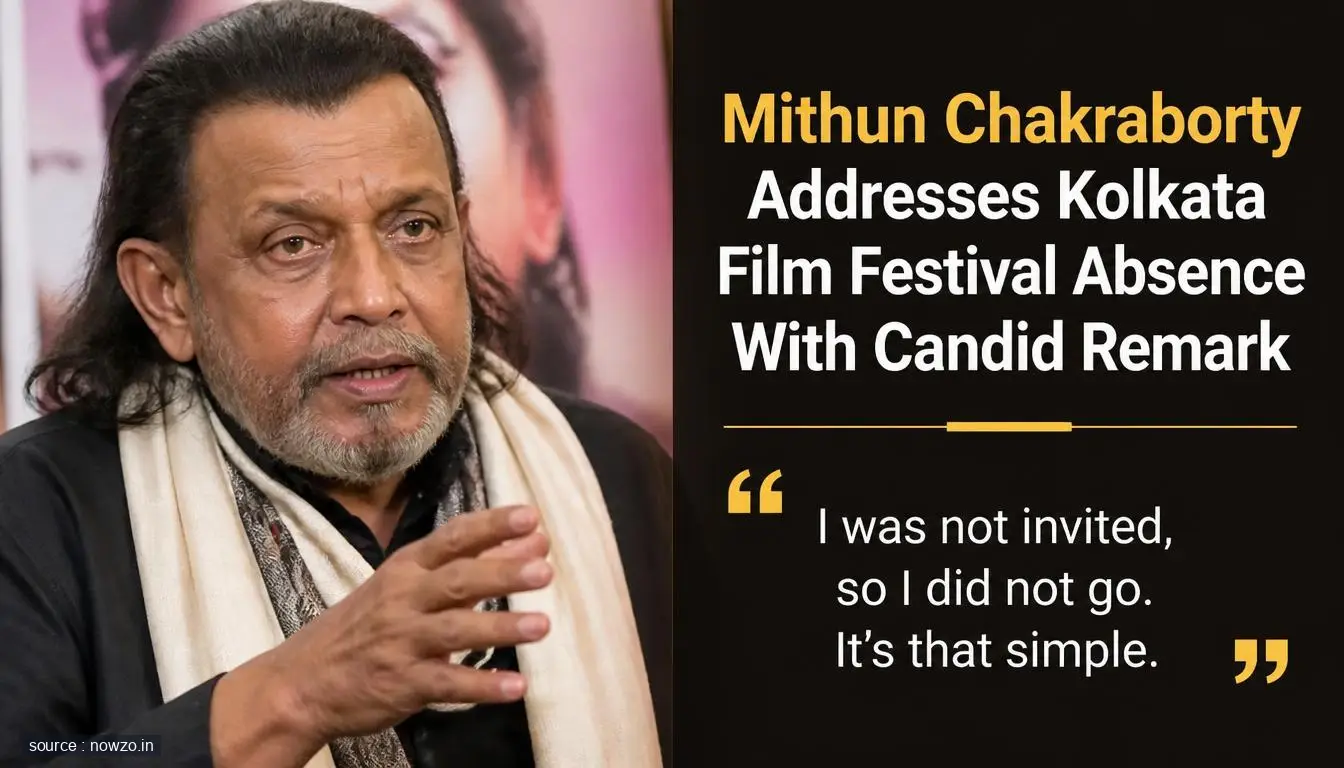
Veteran actor Mithun Chakraborty has broken his silence regarding his continued absence from the Kolkata International Film Festival, offering a candid explanation for why he believes organizers have consistently overlooked him. The celebrated actor, who remains one of Bengal's most iconic cinematic exports, suggested that his exclusion stems from being considered a minority within the industry or community.
The Actor's Candid Response
When questioned about the apparent snub from one of India's most prestigious film events, Chakraborty did not shy away from addressing the elephant in the room. The actor remarked that perhaps the festival organizers do not extend invitations to him because he is considered a minority. This statement has sparked conversations across social media and entertainment circles, with fans and industry observers weighing in on the implications of his words.
The Kolkata International Film Festival, commonly known as KIFF, stands as one of the most significant cultural events in Eastern India, drawing filmmakers, actors, and cinema enthusiasts from across the globe. Given Chakraborty's towering legacy in Indian cinema and his deep roots in West Bengal, his absence from the festival has long been a subject of speculation and curiosity among film aficionados.
A Storied Career and Complex Legacy
Mithun Chakraborty's journey in Indian cinema spans several decades, during which he has delivered numerous memorable performances and achieved the rare feat of winning the National Film Award for Best Actor for his debut film. His contribution to both Bengali and Hindi cinema remains unparalleled, making his absence from a festival celebrating cinematic excellence in his home state all the more conspicuous.
The actor's comment about being considered a minority has left room for interpretation, though he did not elaborate further on whether he was referring to his political affiliations, his religious identity, or his position within the film industry establishment. The ambiguity of the statement has fueled discussions about the underlying dynamics at play in regional film festivals and the criteria used for extending invitations to industry veterans.
Industry Reaction and Public Discourse
While the festival organizers have not issued an official response to Chakraborty's remarks, the actor's statement has resonated with many who view it as a commentary on the politics of cultural events. The Kolkata International Film Festival has historically been a platform that celebrates artistic achievement and brings together diverse talents from the film fraternity.
Chakraborty's decision to speak out reflects a growing trend of public figures addressing perceived exclusions directly rather than maintaining diplomatic silence. His willingness to attribute the snub to his minority status—however that may be defined—adds a layer of complexity to the narrative surrounding the festival's guest selection process.
Looking Ahead
As the film community processes these comments, attention now turns to whether this public acknowledgment will lead to any changes in how the festival approaches invitations in the future. For now, Chakraborty's statement stands as a rare moment of candor from a veteran artist who has never been one to mince words.
The incident highlights the often unspoken tensions that exist within cultural institutions and raises questions about representation, inclusion, and the factors that influence participation in high-profile events. Whether this will prompt a dialogue between the actor and festival organizers remains to be seen, but the conversation about who gets invited—and why—has certainly been ignited.

Comments