
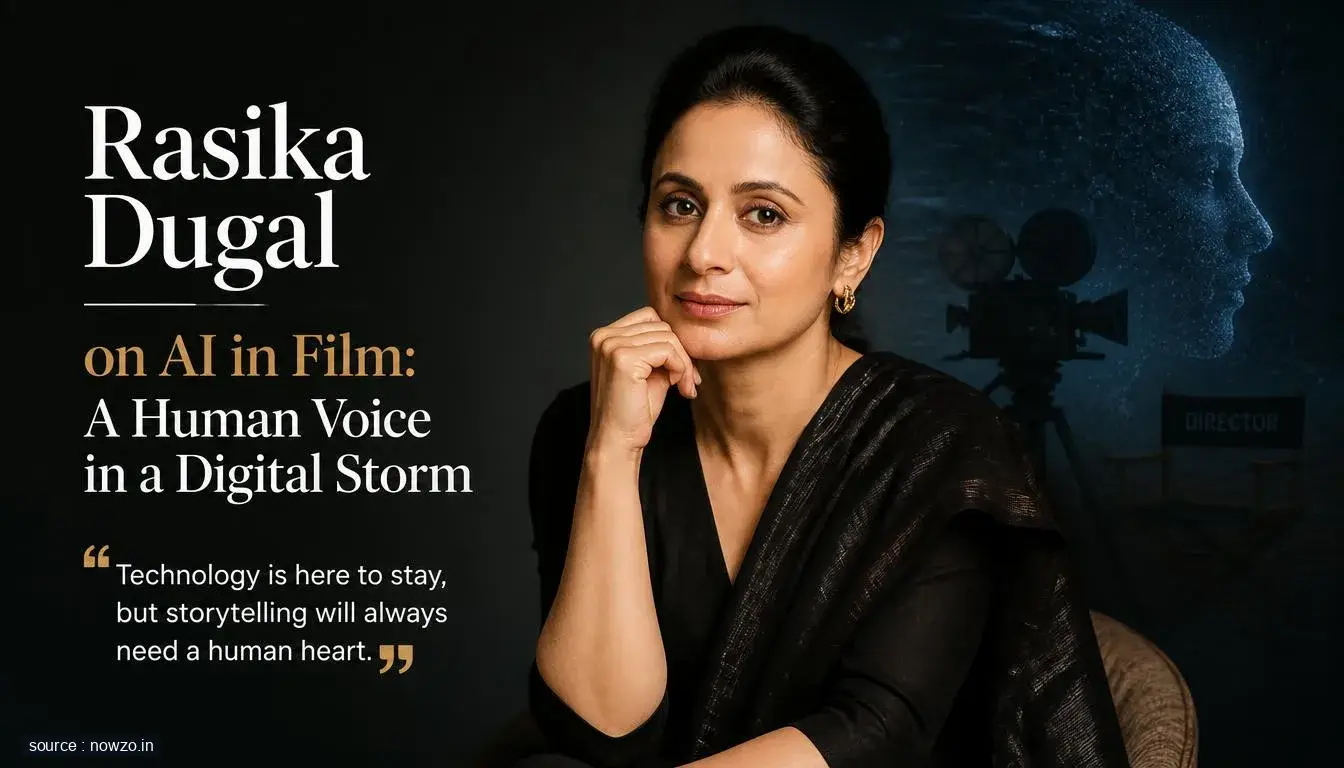
As artificial intelligence continues to reshape industries, the world of filmmaking is no exception. Actress Rasika Dugal, known for her thoughtful roles and advocacy, has stepped into the conversation with a blend of curiosity and caution. She isn't dismissing AI's potential, but she's urging the industry to tread carefully—to remember that at the heart of every great film is a human story.
- AI presents both opportunities and challenges for filmmakers.
- Human creativity must remain central to storytelling.
- Ethical considerations are crucial as technology evolves.
The Double-Edged Sword of Innovation
Dugal acknowledges that AI can streamline production, enhance visual effects, and even assist in script analysis. But she worries about the slippery slope—where efficiency might overshadow emotion, where algorithms could dilute the authenticity that audiences crave. "It's not about resisting change," she implies, "but about guiding it with wisdom."
Why Human Touch Matters
For Dugal, filmmaking is an art form rooted in human experience. AI might replicate patterns or generate ideas, but it can't replicate the depth of human empathy, the nuance of a performer's instinct, or the collaborative magic on set. She believes that technology should serve creativity, not supplant it.
Navigating the Ethical Landscape
The ethical questions loom large. Who owns AI-generated content? How do we protect artists' rights? Dugal calls for clear frameworks and inclusive discussions—involving filmmakers, technologists, and policymakers—to ensure that innovation doesn't come at the cost of fairness or artistic integrity.
Looking Ahead
Dugal's message is one of balance: embrace AI's tools, but safeguard the soul of storytelling. As the industry evolves, her voice adds a crucial, human-centered perspective to a debate that will shape cinema for generations.

Comments