
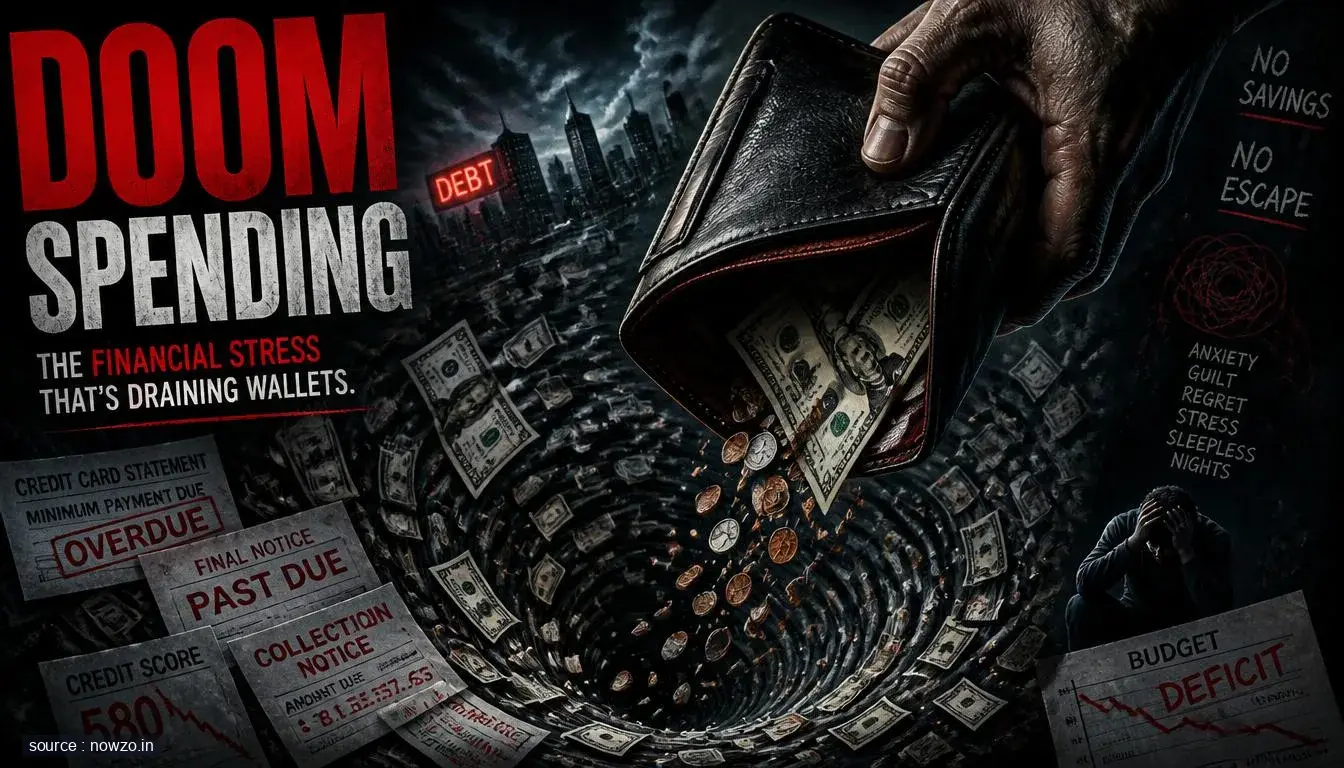
In an era of rising costs and economic uncertainty, a troubling financial behavior is emerging: 'doom spending.' It's the act of making impulsive purchases as a way to cope with stress about money, the future, or global events—but it often leaves people even more financially vulnerable.
Key facts
- Doom spending is driven by anxiety about economic conditions
- It often leads to unnecessary debt and financial strain
- This behavior can create a cycle of stress and spending
What fuels the spending urge?
When faced with constant news about inflation, job market fluctuations, or political instability, some people reach for retail therapy as a temporary escape. That quick dopamine hit from a new purchase offers momentary relief—but the financial aftermath can linger far longer.
The consequences of comfort buying
While treating yourself occasionally is normal, consistent doom spending can sabotage financial goals. It drains savings, maxes out credit cards, and makes it harder to handle genuine emergencies. What starts as a coping mechanism often ends up amplifying the very anxiety it sought to soothe.
Breaking the cycle
Awareness is the first step. Recognizing when spending is driven by emotion rather than necessity can help people pause before purchasing. Building healthier stress management habits—like exercise, talking with friends, or budgeting—creates sustainable alternatives to retail therapy.

Comments