
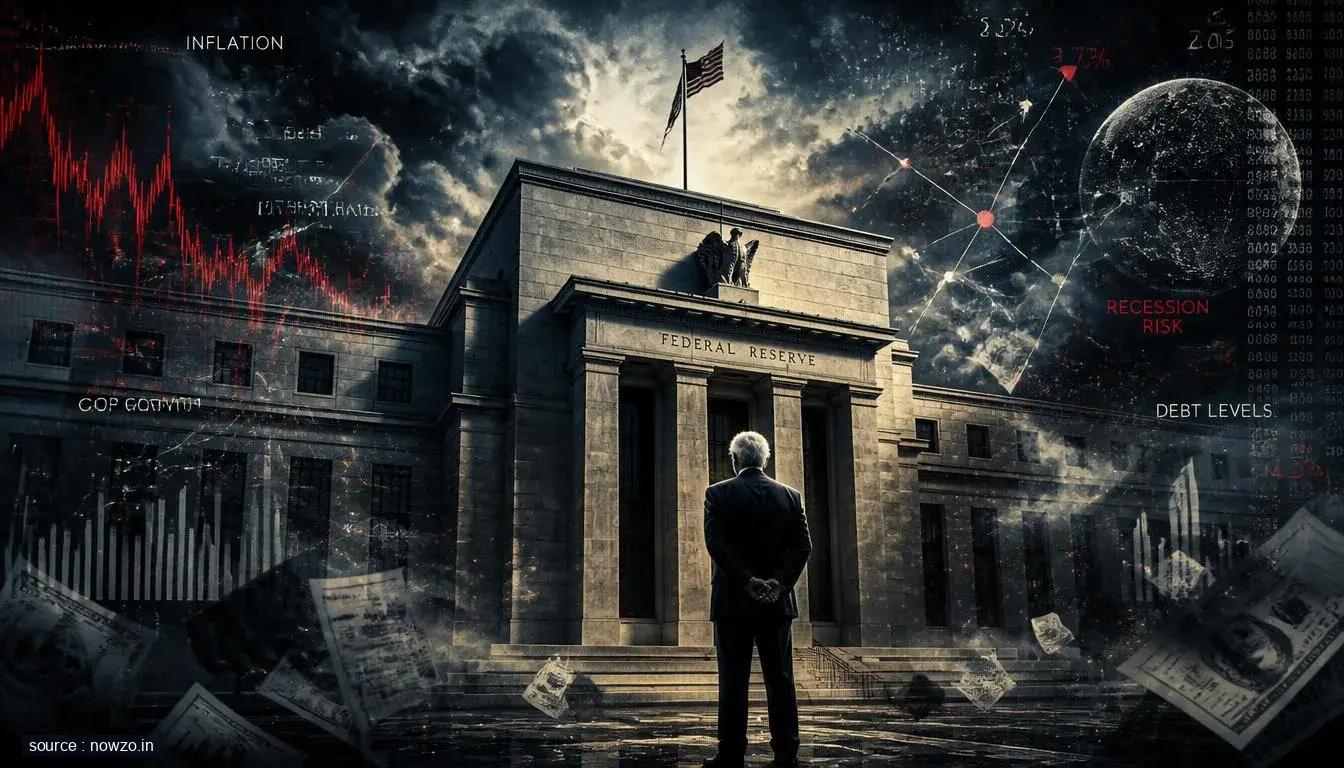
Something fundamental has shifted in the American economy, and the Federal Reserve is staring right at it. This isn't just another quarterly adjustment or a temporary market blip—it's a structural change that's forcing the nation's central bankers to rethink their entire playbook.
- The Fed faces a powerful new economic force requiring policy adaptation
- Traditional monetary tools may be less effective in the current landscape
- Central bankers must develop fresh approaches to inflation and growth management
A Changing Economic Landscape
For decades, the Fed operated with a relatively predictable set of economic relationships. Raise rates, and borrowing typically slowed. Lower them, and activity picked up. But that old rhythm appears to be breaking down as new forces reshape how the economy responds to policy moves.
The Policy Challenge
Central bankers now find themselves navigating without their usual compass. The tools that once provided clear signals—employment numbers, inflation metrics, consumer spending—are behaving in unexpected ways. This isn't about minor adjustments; it's about fundamentally reconsidering how monetary policy interacts with a transformed economic environment.
Looking Ahead
The implications are profound. If traditional levers are losing their effectiveness, the Fed must develop new strategies for maintaining stability and promoting growth. This moment represents both a challenge and an opportunity to build a more responsive and resilient economic framework for the future.





Comments