
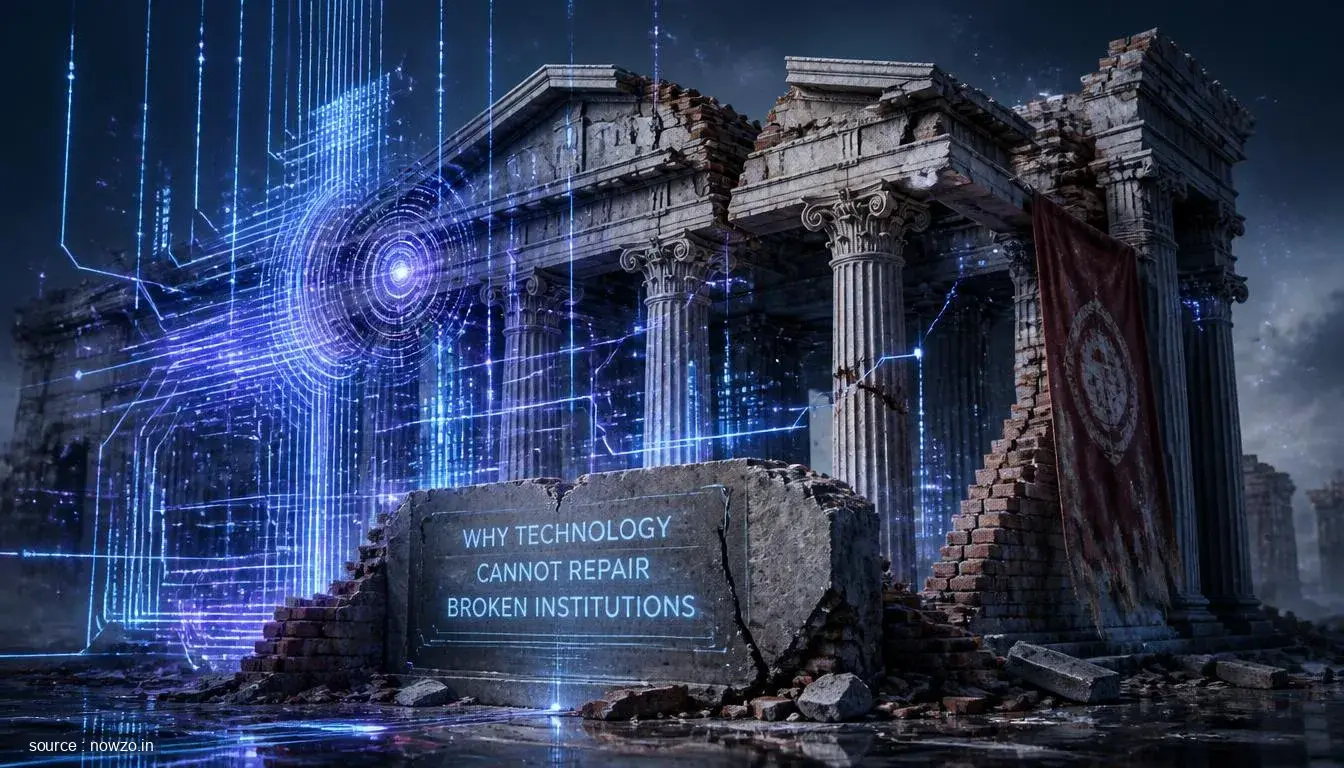
As public financial management (PFM) increasingly moves into the digital era, policymakers and public sector administrators are evaluating the efficacy of technological solutions in government operations. A review of institutional digitalization shows that while tech upgrades are widely promoted, structural institutional integrity remains the deciding factor for success.
Overview of Digital PFM Implementation
Modernization initiatives frequently position software platforms and digital networks as primary solutions for administrative bottlenecks. However, digital systems inherently reflect the operational health of the entities deploying them.
| Aspect | Details |
|---|---|
| Subject Area | Public Financial Management (PFM) |
| Focus Era | Digital Era Governance |
| Source Publication | Pan African Review |
Key Considerations in Modern PFM
Strengths of Technological Integration
- Enhances tracking and reporting capabilities across public systems.
- Improves operational speed when supported by sound administrative rules.
Inherent Limitations
- Fails to correct foundational policy and governance breakdowns.
- Risks automating existing procedural flaws without prior institutional reform.
Final Takeaway
Technology serves as a powerful instrument within public financial management, but it cannot substitute for deep-rooted institutional reform. Modernization efforts must prioritize governance frameworks alongside technological adoption to achieve meaningful public sector outcomes.


Comments