
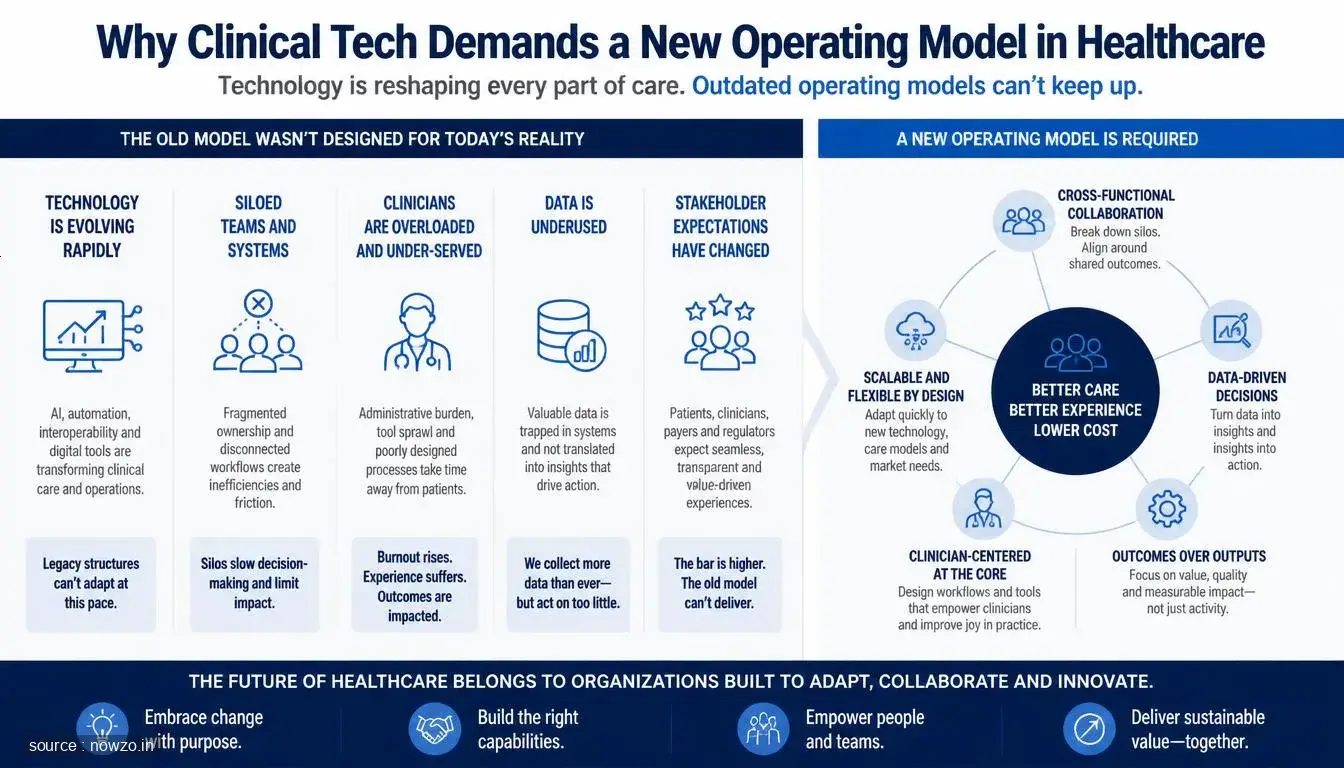
In hospitals and health systems nationwide, a quiet revolution is brewing—one that could redefine how life-saving technology is managed. It’s no longer enough to treat clinical systems as just another IT asset. These tools demand their own operating model, built from the ground up for precision, safety, and real-time reliability.
- Clinical technology includes devices and software directly involved in patient care.
- Traditional IT governance frameworks often fail to address clinical-specific risks.
- A dedicated operating model emphasizes uptime, training, and clinical integration.
The High Stakes of Clinical Systems
When an EHR goes down, appointments get rescheduled. But when a ventilator malfunctions or an infusion pump miscommunicates, lives are immediately at risk. That’s the fundamental difference driving this shift. Clinical tech isn’t about data—it’s about direct patient intervention.
Building a Clinically-Centered Framework
This isn’t about reinventing the wheel. It’s about designing a system where clinical input isn’t an afterthought but the core. Think specialized support teams, rigorous testing protocols, and continuous training programs that involve nurses, doctors, and technicians from day one.
What’s Next for Health Systems
Forward-thinking organizations are already piloting models that blend technical expertise with deep clinical insight. The goal? Seamless, safe, and intuitive technology that supports—never disrupts—the sacred work of healing.




Comments