
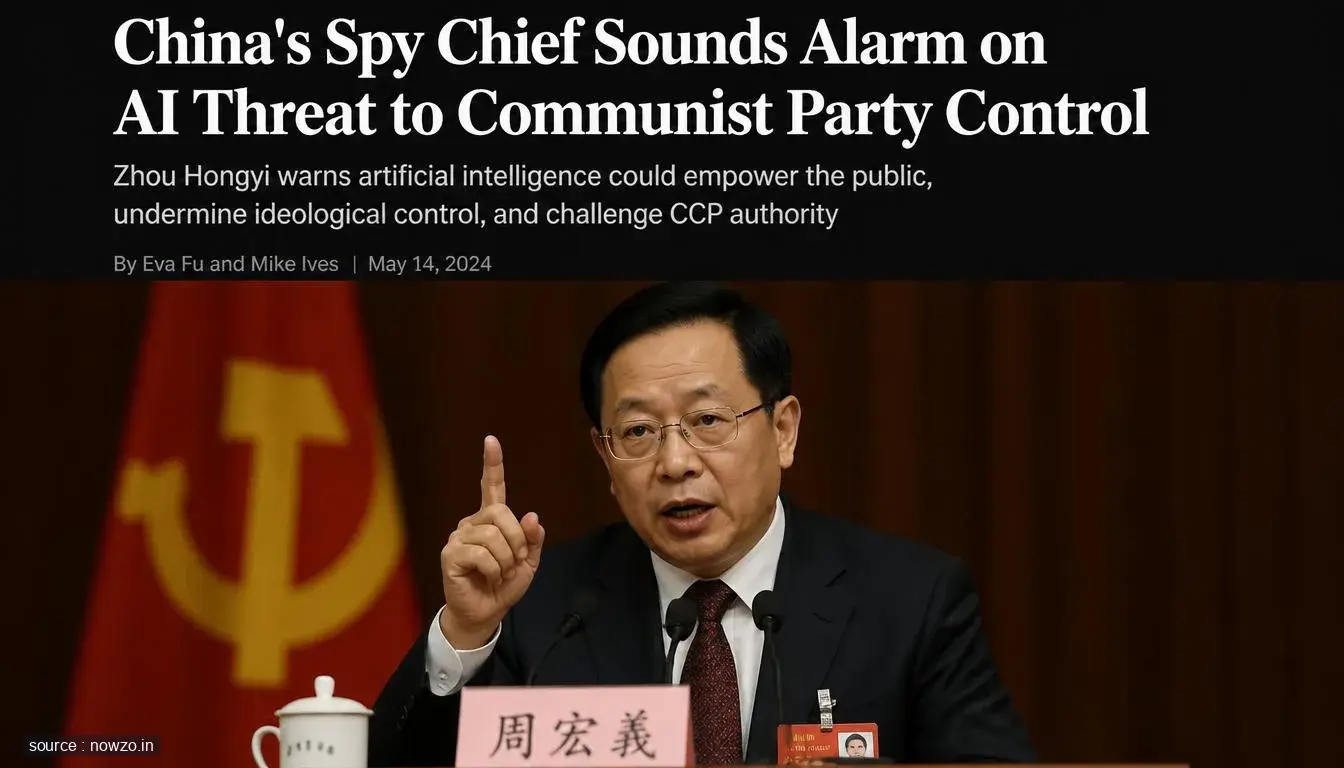
China's intelligence apparatus is raising red flags about artificial intelligence—not just as a technological challenge, but as a direct threat to the Communist Party's grip on power. The nation's top spy chief delivered this sobering assessment in a rare public warning that underscores Beijing's mounting anxiety about AI's disruptive potential.
Key facts
- China's top intelligence official issued warning about AI threats
- Concern focuses on AI's potential to undermine Communist Party rule
- Statement represents unusual public acknowledgment of technological risks
The Warning Heard in Beijing's Halls of Power
When China's spy chief speaks, people in power tend to listen. This particular warning carries extra weight because it comes from someone who spends his days assessing threats to national security. The message is clear: artificial intelligence isn't just another technological revolution—it's a potential revolution-maker that could shake the foundations of party control.
Why AI Keeps China's Leaders Up at Night
Imagine technology that could organize dissent, spread unauthorized information, or even help citizens bypass censorship systems that have taken decades to perfect. That's the nightmare scenario keeping Chinese officials alert. For a government that maintains tight control over information flow, AI's ability to generate and distribute content at scale represents perhaps the most significant challenge since the internet itself.
Between Technological Ambition and Political Control
China finds itself in a delicate dance—racing to dominate AI technology while simultaneously fearing what that technology might unleash. The country has invested billions in AI research and development, aiming to become the world leader by 2030. But this warning suggests that behind the ambitious targets lies genuine concern about whether they can harness AI's power without getting burned.
The spy chief's statement serves as both internal alert and external message: China will pursue AI advancement, but not at the cost of political stability. How they navigate this tension will shape not just China's technological future, but its political one as well.


Comments