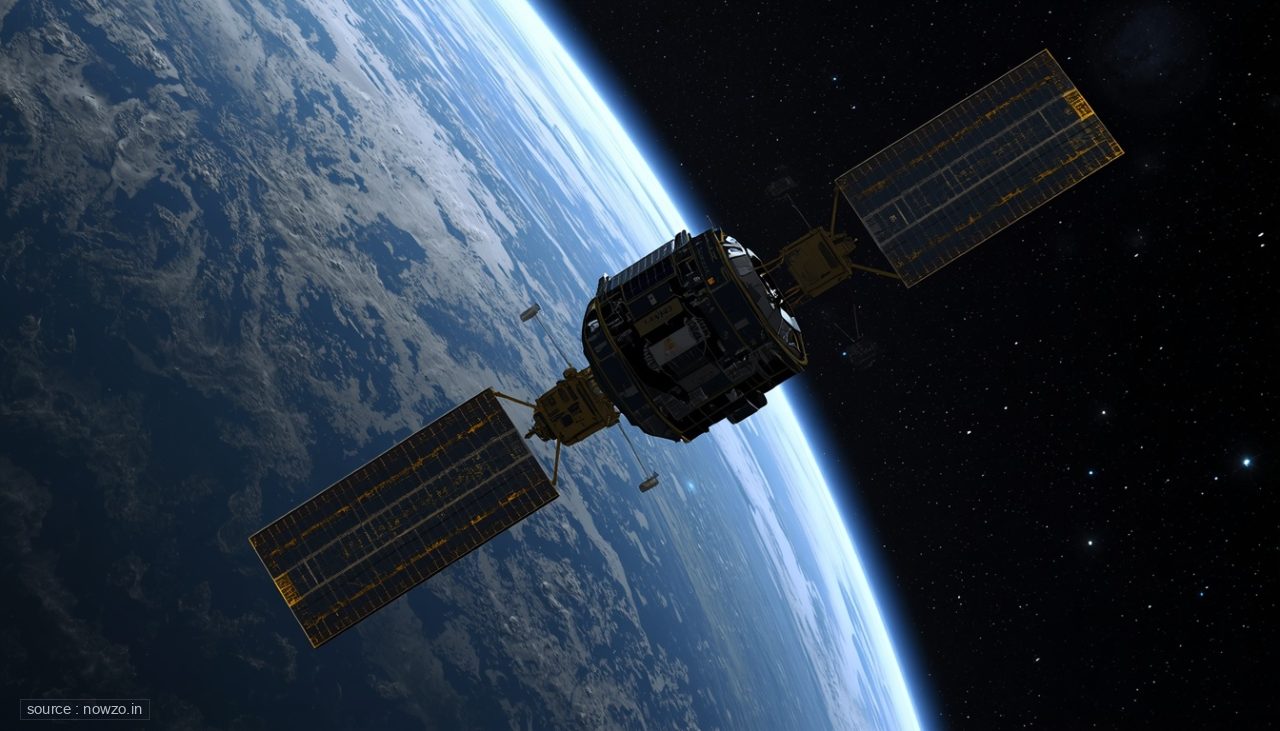
In an impressive feat of deep-space engineering, NASA has devised a solution to keep the legendary Voyager 2 probe operational for an additional year. Deep in interstellar space, the spacecraft continues to transmit priceless scientific data back to Earth despite its dwindling power reserves.
Extending a Historic Journey
Now operating for 48 years, Voyager 2 has traveled to a distance of approximately 21.37 billion kilometers from Earth. Managing a mission at such immense distance presents unique technical challenges, particularly as the probe's primary power sources steadily decline over time.
To prevent key scientific instruments from shutting down unexpectedly, NASA engineers carried out a carefully calculated engineering maneuver. This strategic adjustment effectively grants the aging probe roughly another year of active science collection, allowing researchers to study the outer reaches of the solar system's boundary and beyond.
Lessons for Voyager 1
The successful power operation on Voyager 2 marks a significant victory for the engineering team managing humanity's farthest-reaching spacecraft. Following the accomplishment, attention has turned to whether a similar tactic can be safely applied to Voyager 2's twin probe, Voyager 1.
"NASA engineers successfully executed a calculated power maneuver to grant Voyager 2 another year of science collection in interstellar space."
As Voyager 2 continues its epic trajectory through interstellar space, each additional month of operational capability yields rare insights into the cosmic environment far beyond the planetary neighborhood of our solar system.



Comments