
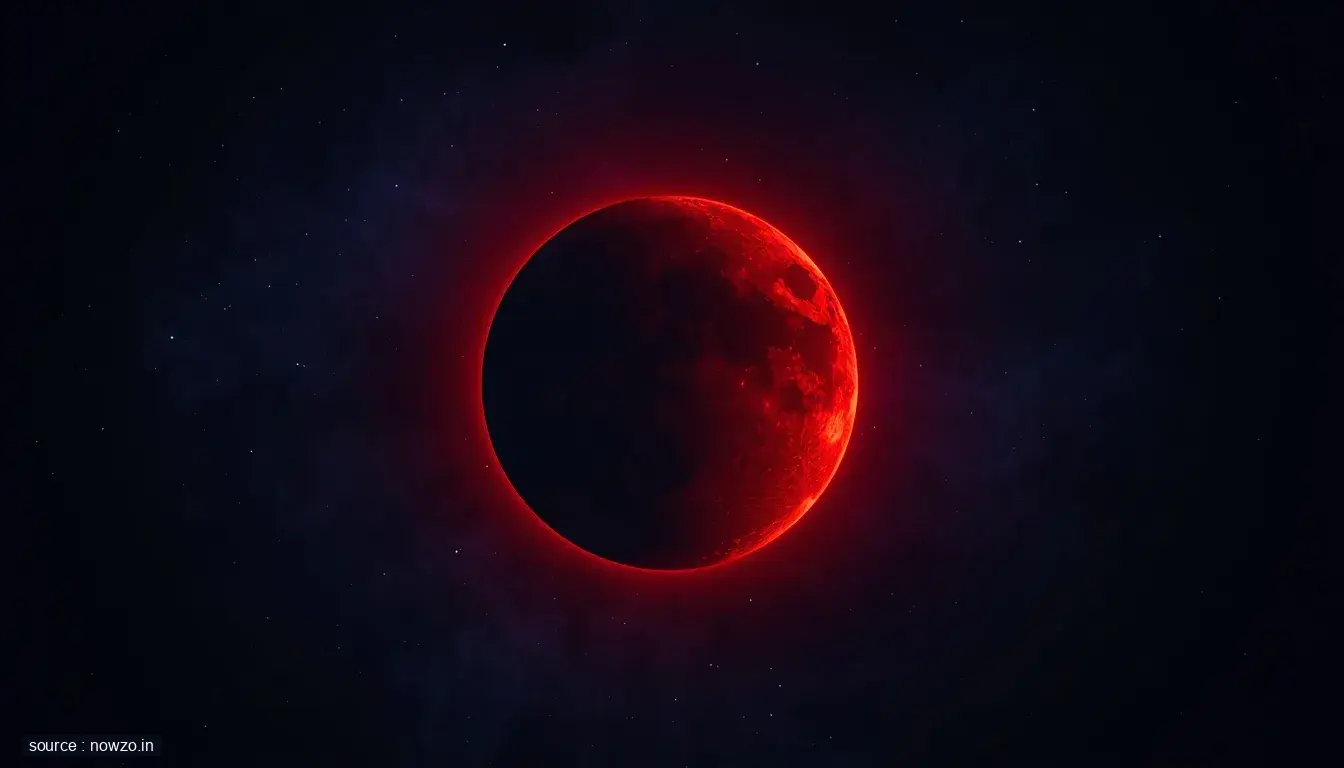
The moon donned its most dramatic costume overnight, transforming into a glowing crimson orb as a partial lunar eclipse swept across the skies. From Canada to South America, skywatchers tilted their heads upward to witness the celestial spectacle that painted our celestial neighbor in shades of fiery orange and deep red.
Key facts
- Partial lunar eclipse occurred Thursday, August 27
- Visible across North and South America
- Moon appeared orange and crimson during event
- Worldwide skywatching opportunity
A Celestial Transformation
As Earth's shadow began its slow dance across the lunar surface, the familiar silver moon underwent a remarkable metamorphosis. The partial coverage created stunning visual effects, with the moon's usual pale glow deepening into rich, warm tones that captivated observers from backyards, open fields, and city rooftops alike.
Global Skywatching Moment
This wasn't just a local event—sky enthusiasts across multiple continents shared in the experience. From the Gulf Coast to Canadian skies, photographers scrambled to capture the moon's temporary makeover, resulting in stunning images that showcased the eclipse's progression from initial contact to maximum coverage.
Why the Orange Hue?
During lunar eclipses, the moon doesn't simply disappear into darkness. Instead, Earth's atmosphere bends sunlight, filtering out blue light and allowing red wavelengths to reach the lunar surface. This scattering effect—the same phenomenon that creates vivid sunrises and sunsets—is what paints the moon in those dramatic orange and crimson tones during eclipse events.





Comments