
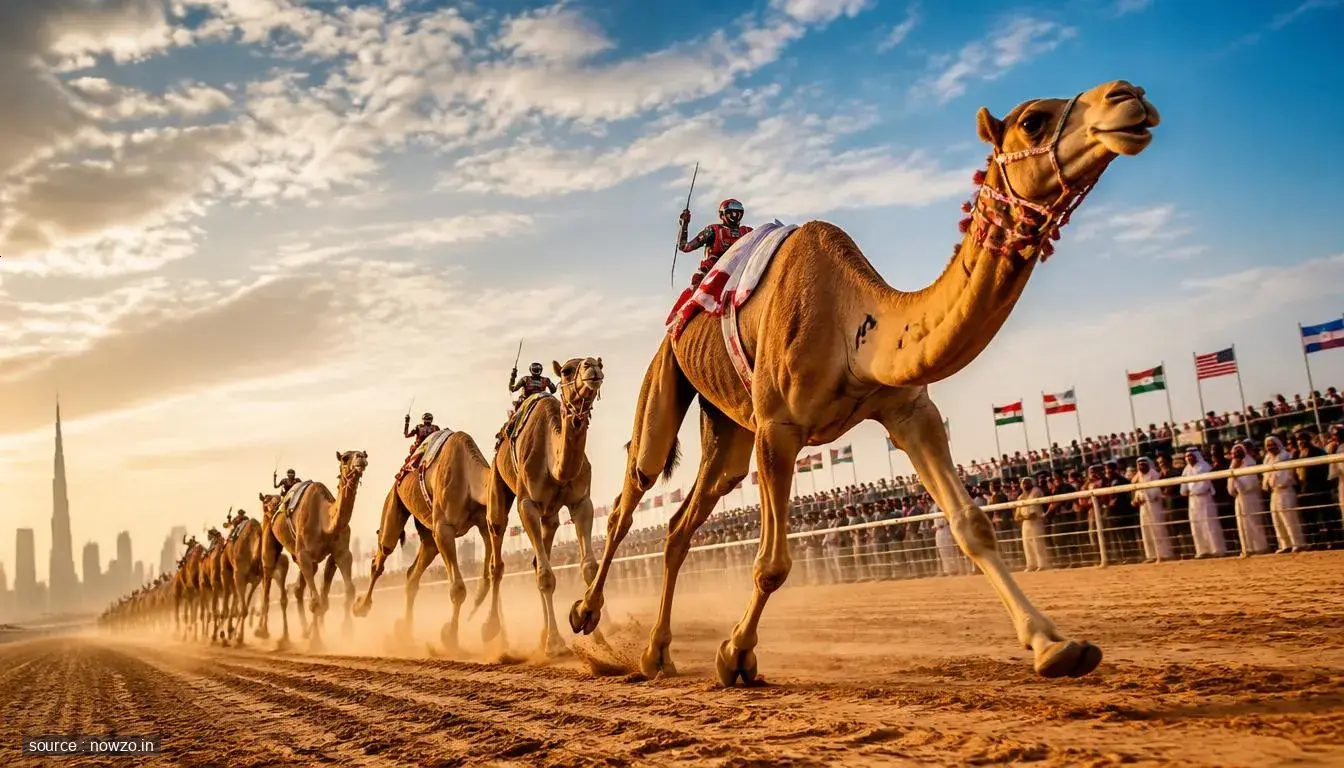
In the vast desert landscapes of the UAE, the thunder of hooves and the sight of camels streaking across the sand is more than a sport—it’s a heartbeat of cultural heritage. Camel racing, once a Bedouin pastime, has evolved into a sophisticated spectacle, marrying tradition with cutting-edge technology and growing international interest.
Key facts
- Deep roots in Bedouin culture and Emirati identity
- Modernization through robotic jockeys and professional training
- Increasing global audience and participation
- Efforts to preserve heritage while expanding reach
From Desert Sands to Global Screens
What began as a simple test of speed and endurance among nomadic tribes has transformed. Today, races draw crowds both locally and from abroad, with events broadcast to enthusiasts worldwide. The sport’s appeal lies in its unique blend of history, athleticism, and the majestic presence of the camels themselves.
Innovation Meets Tradition
Gone are the days of child jockeys; lightweight robots now guide these magnificent animals, ensuring ethical standards without sacrificing excitement. Advanced training techniques and veterinary care have elevated the camels’ performance, making races faster and more competitive than ever.
A Cultural Ambassador
Emirati officials and racing organizers see camel racing as a bridge—connecting the UAE’s past to its future and inviting the world to experience a cherished tradition. It’s not just about winning; it’s about sharing a piece of living history.






Comments