
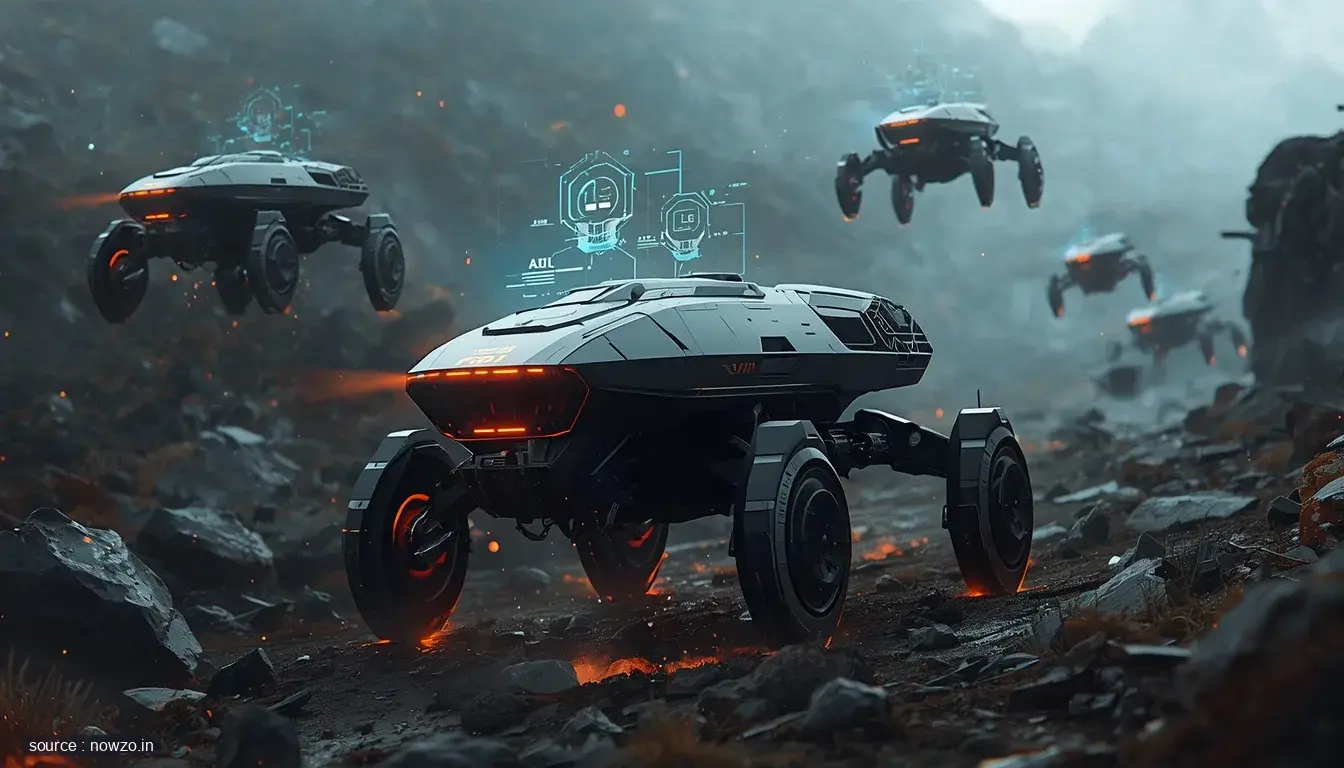
Unmanned rescue systems are undergoing a significant transformation with the integration of AI-assisted autonomy. This technology is enhancing the capabilities of drones and other unmanned vehicles, allowing them to perform complex search and rescue missions with greater efficiency and precision.
How AI-Assisted Autonomy Works
AI-assisted autonomy enables unmanned systems to navigate challenging environments, avoid obstacles, and make real-time decisions without human intervention. By leveraging advanced algorithms and machine learning, these systems can analyze vast amounts of data to identify optimal paths and respond to dynamic situations.
Applications in Search and Rescue
Unmanned rescue systems equipped with AI-assisted autonomy are being deployed in various scenarios, including natural disasters, maritime emergencies, and remote area rescues. These systems can cover large areas quickly, locate survivors, and deliver essential supplies, significantly improving response times and outcomes.
Benefits of AI in Rescue Operations
The integration of AI in unmanned rescue systems offers numerous benefits, including enhanced situational awareness, reduced risk to human rescuers, and the ability to operate in hazardous conditions. As technology continues to advance, these systems are expected to play an increasingly vital role in emergency response efforts worldwide.
As AI-assisted autonomy continues to evolve, unmanned rescue systems are set to become indispensable tools in saving lives and improving disaster response capabilities.


Comments