
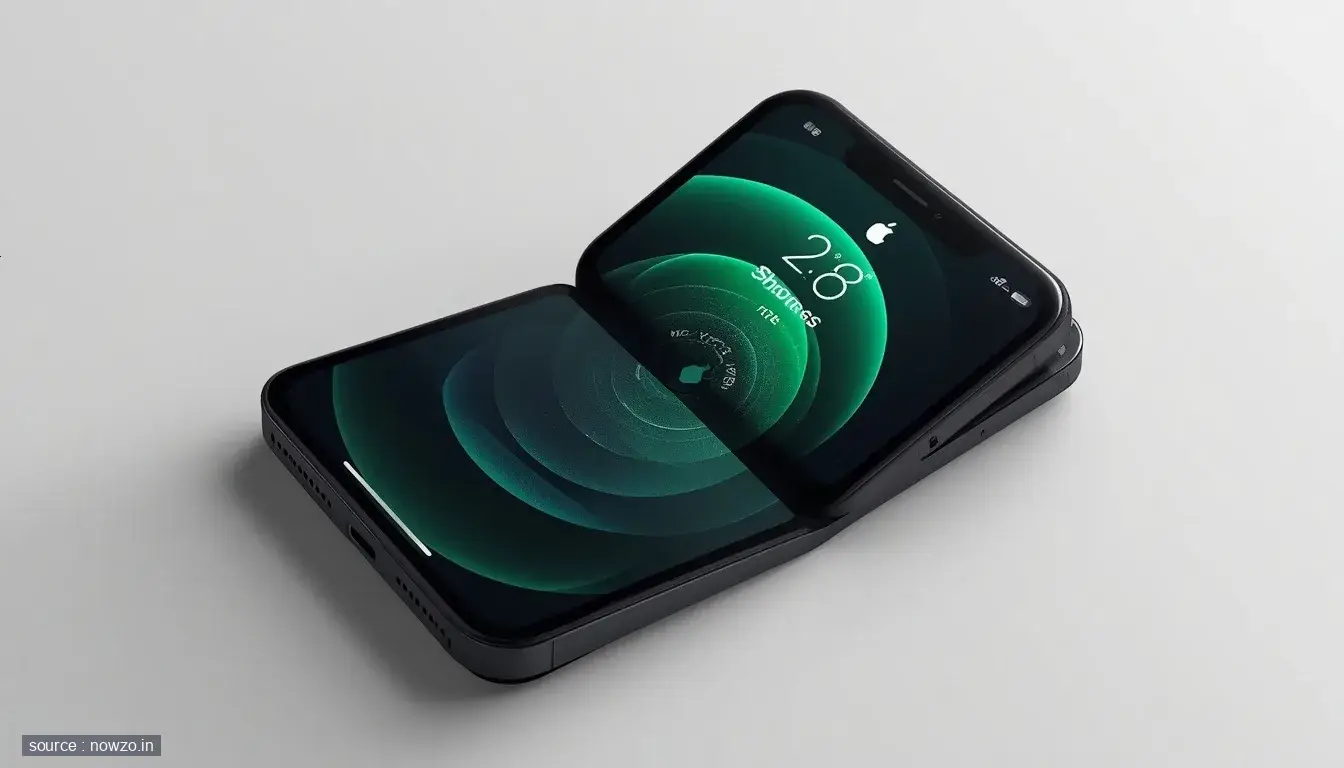
Apple's long-rumored foldable iPhone might break from tradition in a surprising way: ditching Face ID. Instead of the facial recognition system that's become synonymous with modern iPhones, the company is reportedly considering a side-mounted fingerprint sensor for authentication. That's a significant shift for a brand that has championed face-scanning technology as the future of security.
- Apple's first foldable iPhone may use a side-mounted fingerprint sensor instead of Face ID
- The change would mark a departure from Apple's recent biometric authentication approach
- Engineering challenges with folding displays may be driving this potential design decision
Why The Shift From Face ID?
This isn't just about changing authentication methods—it's about the physics of folding screens. Creating a reliable Face ID system that works across a bending display presents unique engineering hurdles. The sensors and cameras required for facial recognition need precise alignment and consistent performance, something that's harder to guarantee when the screen itself moves.
Industry Implications
If Apple moves forward with this approach, it would signal that even tech giants must make compromises when entering new form factors. Competitors like Samsung and Huawei have managed to incorporate both fingerprint readers and facial recognition in their foldables, but Apple has typically preferred elegant, singular solutions.
What It Means For Users
The potential switch to fingerprint authentication represents both a step back in technology and a practical adaptation. While Face ID offers seamless security, a physical sensor might prove more reliable in a folding device's unique mechanical environment. Users would trade cutting-edge facial recognition for what could be a more dependable experience.


Comments