
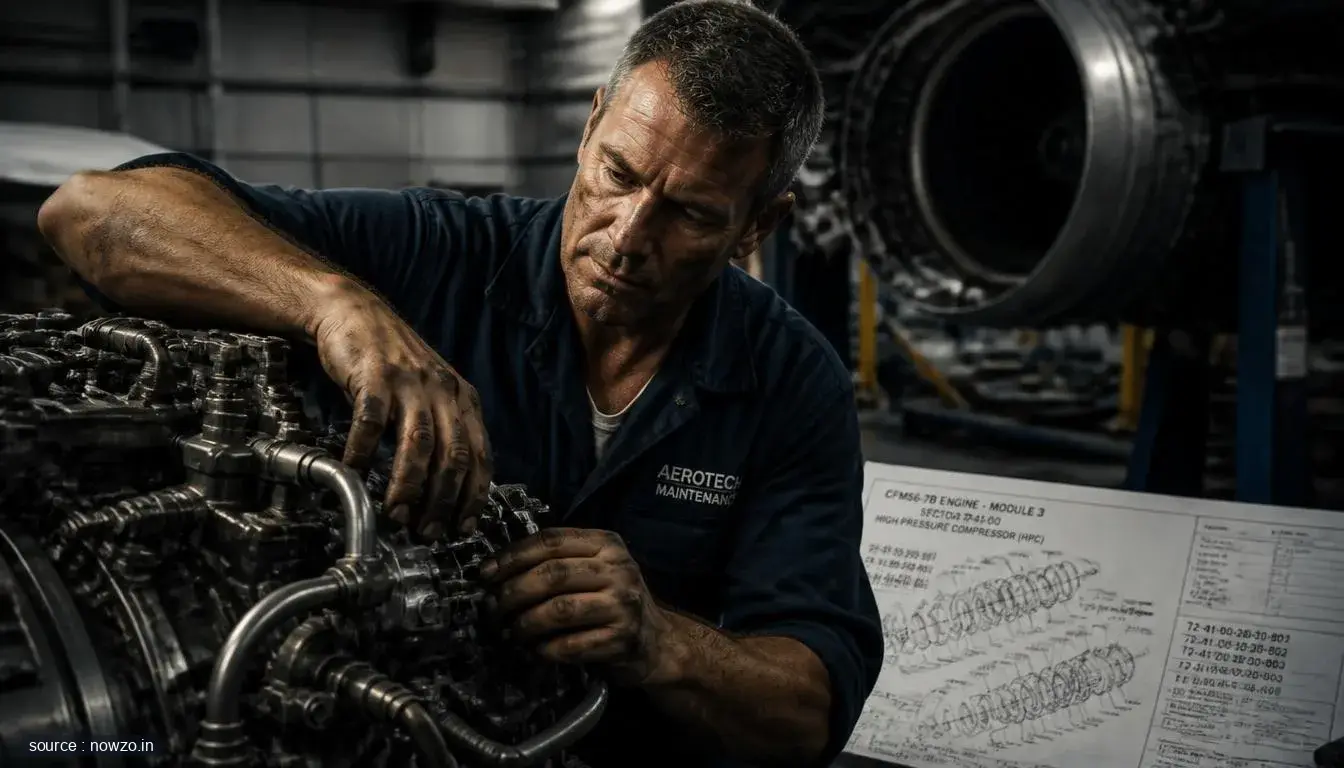
In an era where digital tools promise to revolutionize how we maintain aircraft, a crucial truth remains unchanged: technology boosts efficiency, but it doesn’t shoulder accountability. That responsibility, aviation professionals insist, stays firmly human.
- Technology enhances Maintenance, Repair, and Overhaul (MRO) processes but does not assume accountability.
- Human oversight remains essential in aviation safety and compliance.
- Industry discussions emphasize that tools support—not replace—professional responsibility.
The Human Element in a Digital Age
From predictive analytics to AI-driven diagnostics, new tools are making aircraft maintenance faster and more precise. Yet behind every alert, every data point, there’s a person who must interpret, decide, and act. That chain of command can’t be outsourced to algorithms.
Why Accountability Matters
When systems fail or anomalies arise, it’s not the software that answers—it’s the engineers, technicians, and managers entrusted with safety. Their judgment, training, and ethics form the backbone of aviation integrity, ensuring that efficiency gains never come at the cost of reliability.
Looking Ahead
As MRO tech continues to evolve, the industry faces a balancing act: embracing innovation while reinforcing the culture of responsibility that has long kept skies safe. It’s a reminder that progress, no matter how advanced, still depends on people.


Comments