
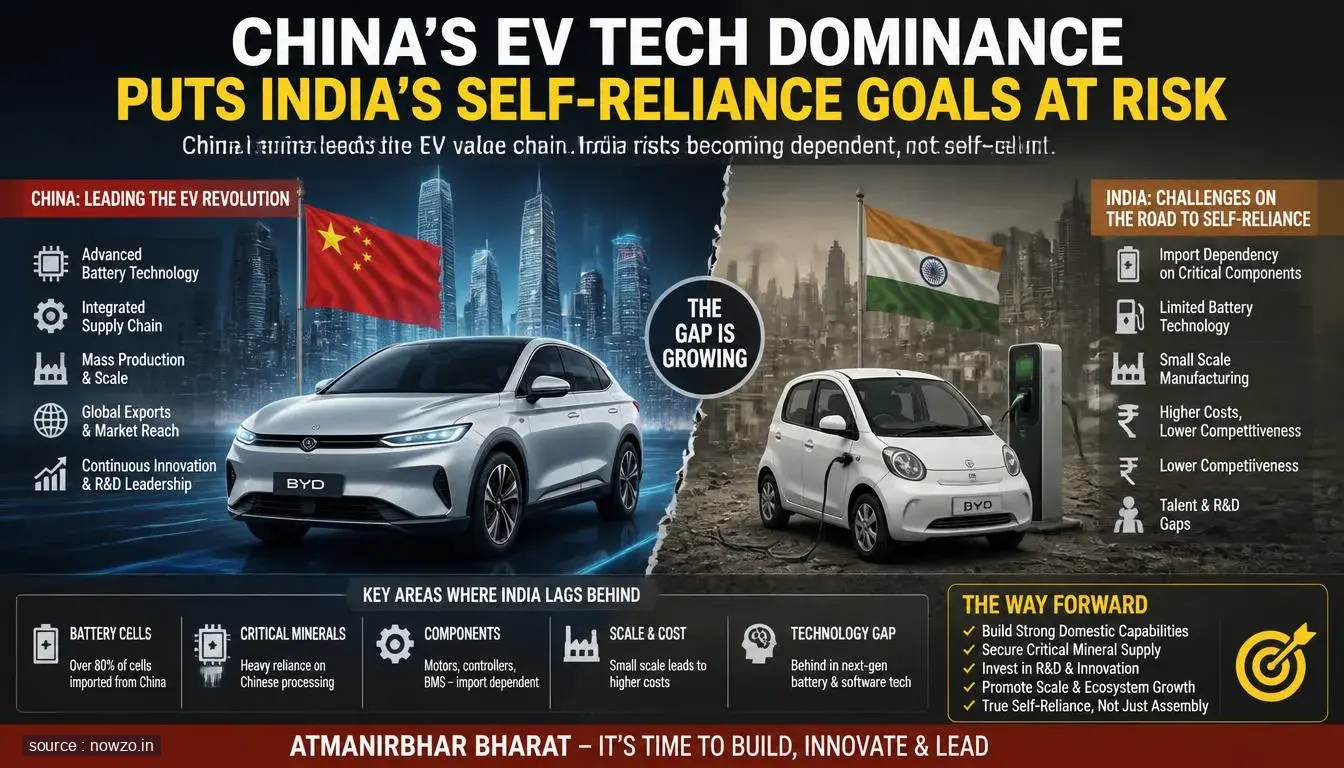
India's drive toward electric vehicle self-sufficiency is running into a formidable obstacle—China's tight grip on the technology that powers tomorrow's transportation. While New Delhi pushes for domestic EV manufacturing, Chinese companies maintain control over essential components and intellectual property, creating a dependency that's difficult to break.
Key facts
- Chinese firms dominate EV battery production and technology
- Critical components like motors and controllers often originate from China
- Indian manufacturers face challenges in sourcing non-Chinese alternatives
- Intellectual property restrictions limit technology transfer opportunities
The Technology Gap
At the heart of the struggle lies China's advanced EV ecosystem. Chinese companies didn't just enter the electric vehicle market—they built it from the ground up, securing patents and manufacturing capabilities that now give them overwhelming market power. Indian manufacturers find themselves navigating a landscape where alternatives are scarce and often more expensive.
Supply Chain Realities
Even when Indian companies attempt to source components elsewhere, they frequently discover that the supply chains ultimately lead back to Chinese factories. The country's massive investment in battery technology and electric drivetrains has created a concentration of expertise and production capacity that's challenging to replicate or circumvent.
Strategic Implications
This technological dependency raises broader questions about India's manufacturing ambitions and national security considerations. As the world shifts toward electric mobility, control over the underlying technology becomes increasingly strategic. The current situation leaves Indian automakers in a difficult position—relying on Chinese technology while trying to build domestic capabilities.



Comments