
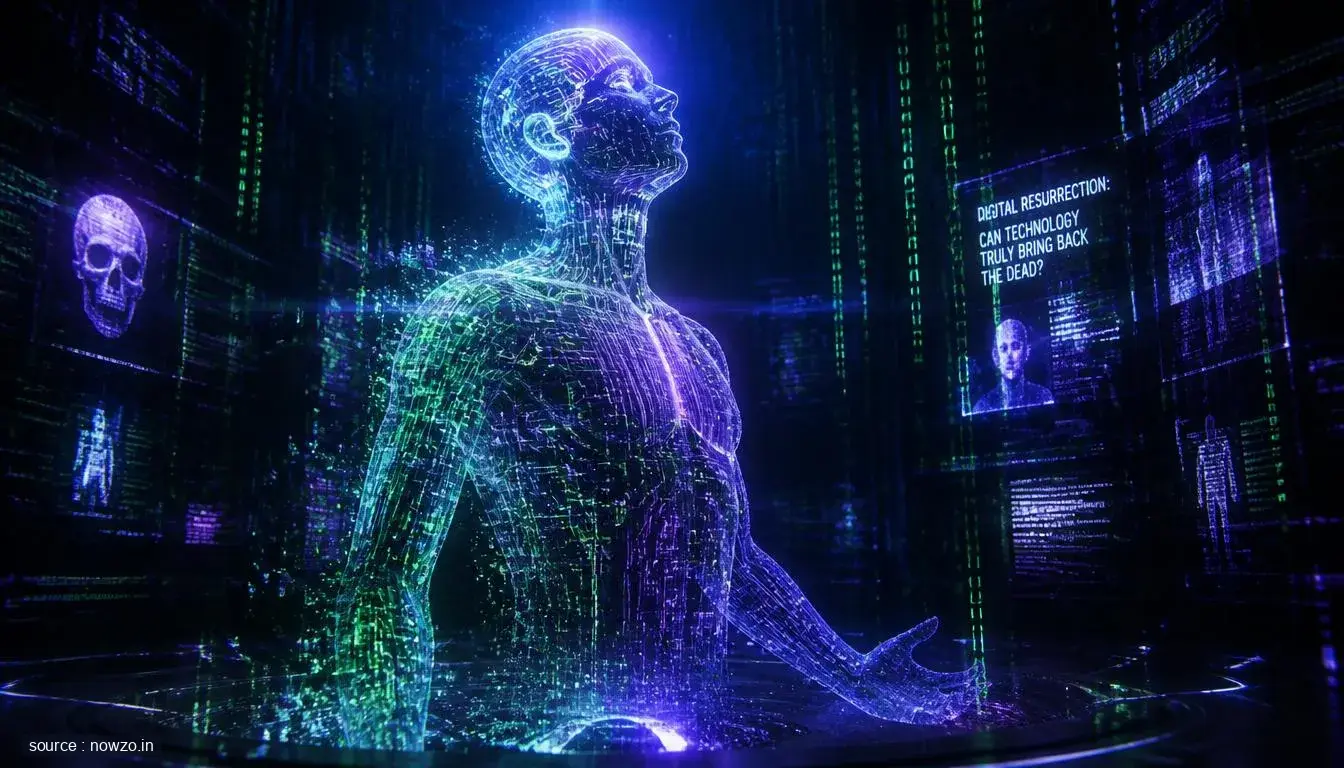
In an era where artificial intelligence can mimic human conversation and digital archives preserve our every word, a haunting question emerges from the shadows of technology: can we truly bring back the dead? This isn't about séances or spiritualism—it's about bytes, algorithms, and the digital ghosts we might soon create.
Key facts
- Digital resurrection involves recreating deceased individuals through AI and digital data
- The technology raises profound philosophical and ethical questions
- Current capabilities include voice replication, conversation simulation, and digital avatars
The Boundary Between Memory and Presence
What separates a digital reconstruction from the actual person it represents? Philosophers are wrestling with this distinction as technology blurs the lines between memorialization and resurrection. A chatbot that speaks in your grandmother's voice pattern—is that her, or just an elaborate echo?
Ethical Implications
The ability to digitally resurrect someone raises urgent ethical concerns. Who controls this technology? What consent is required—can the dead give permission? And what psychological impact might this have on grieving families, forever suspended between loss and artificial presence?
The Future of Grief
As this technology advances, we're forced to reconsider fundamental aspects of human experience. Digital resurrection could transform how we process loss, remember loved ones, and even conceptualize our own mortality. The question isn't just whether we can do it—but whether we should.


Comments