
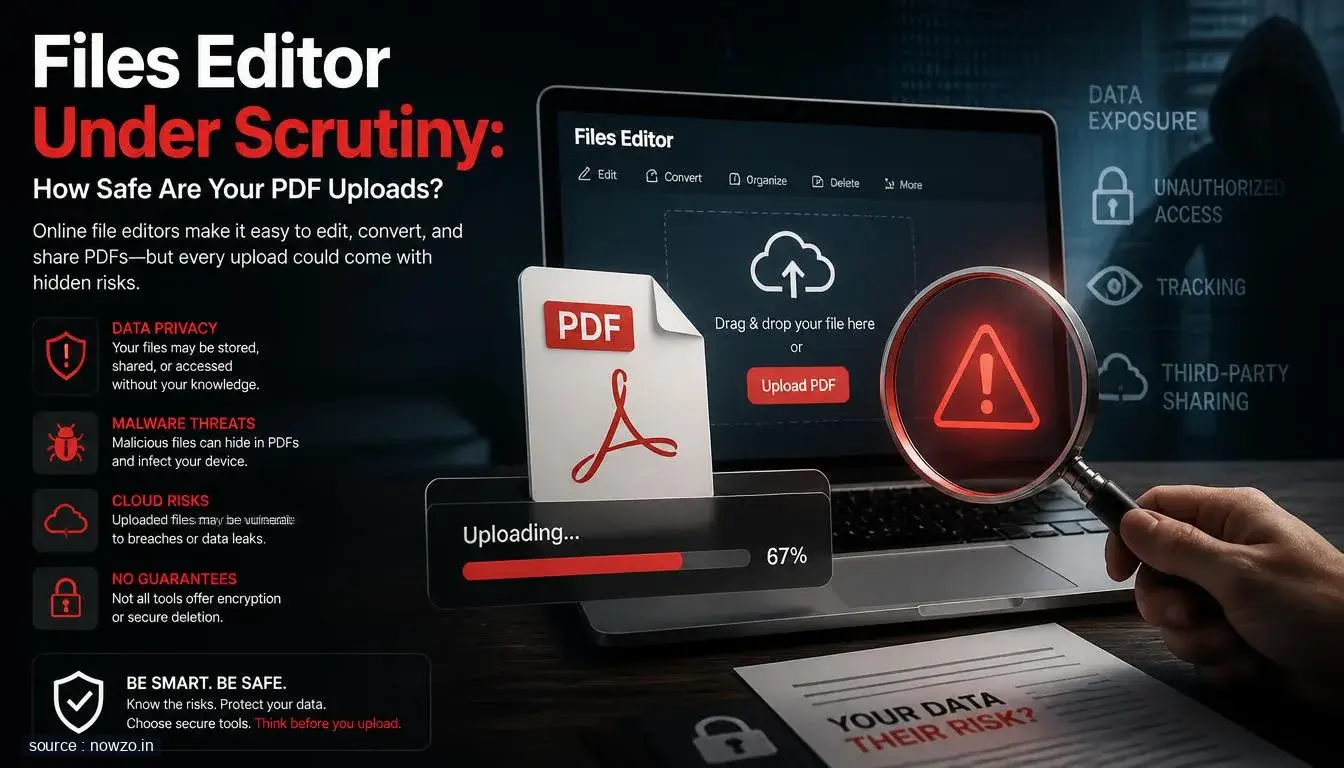
When you upload a PDF to Files Editor, you're trusting the platform with potentially sensitive information. But how does it actually handle your documents? Security researchers are asking tough questions about the platform's data processing protocols.
Key Facts
- Files Editor processes uploaded PDF documents through cloud servers
- Security researchers have raised questions about data retention policies
- The platform converts PDFs to editable formats for user modification
- Document processing occurs automatically without human review
Behind the Upload Button
Every time a user drags a PDF into Files Editor, the document begins a digital journey through the platform's infrastructure. The system automatically converts files to editable formats, extracting text and images for manipulation. This process happens in seconds, but security experts wonder what traces remain behind.
Security Concerns Emerge
Researchers point to potential vulnerabilities in how Files Editor handles document metadata and temporary files. While the company claims files are deleted after processing, questions linger about server caching and backup systems. The platform's privacy policy mentions data collection for 'service improvement,' leaving some users uneasy about their document exposure.
Transparency Questions
Unlike some competitors, Files Editor provides limited public information about its security certifications or audit processes. This opacity concerns privacy advocates who recommend caution when uploading sensitive documents. The platform operates on a 'trust us' basis that leaves security-conscious users wanting more concrete assurances.
The Road Ahead
As cloud-based document editing grows increasingly popular, platforms like Files Editor face mounting pressure to demonstrate robust security practices. Users deserve clear answers about where their documents go, who might access them, and how long data persists in system backups. Until then, experts suggest thinking twice before uploading anything containing personal or confidential information.


Comments