
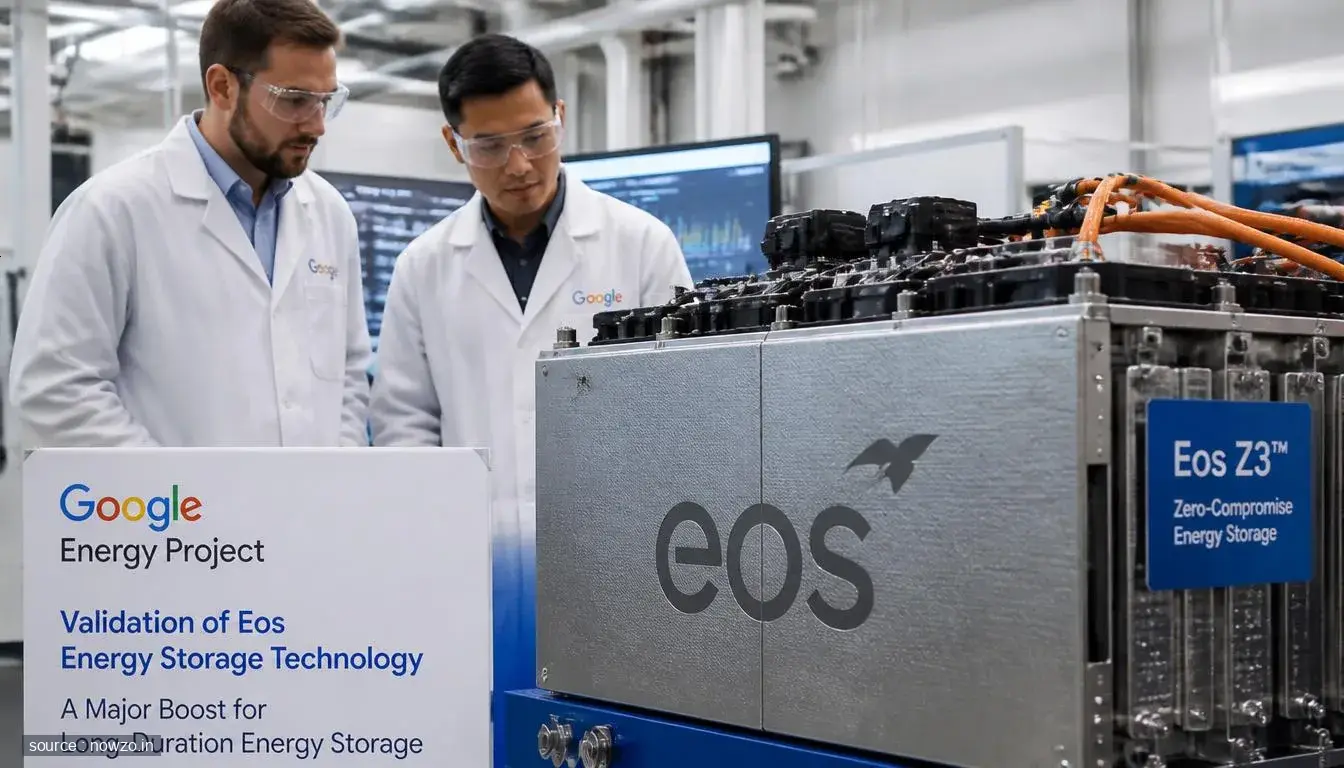
In a move that speaks volumes about the future of energy storage, Google has thrown its weight behind an emerging technology that could reshape how we store renewable power. The tech giant's latest energy project features Eos Energy Enterprises' zinc-based batteries—a decision that amounts to a powerful endorsement for the alternative storage solution.
Key facts
- Google selected Eos Energy's zinc-hybrid cathode battery technology
- Project represents significant validation for non-lithium storage solutions
- Zinc batteries offer potential advantages for long-duration energy storage
Why This Validation Matters
When a company of Google's scale and technical sophistication chooses your technology, the market pays attention. For Eos Energy, this partnership isn't just another contract—it's a credibility boost that could open doors across the energy sector. The selection signals that zinc-based storage has moved beyond theoretical promise into practical application.
The Technology Behind the Choice
Eos's zinc-hybrid cathode technology offers something lithium-ion batteries struggle with: cost-effective long-duration storage. While lithium dominates short-duration applications, zinc batteries could become the go-to solution for storing solar and wind power through multiple days of cloud cover or calm winds. Google's interest suggests they see real potential in filling this critical gap.
Market Implications
Energy investors have been watching the long-duration storage space closely, knowing that solving this challenge is essential for renewable energy expansion. Google's move provides concrete evidence that alternative technologies are gaining traction. It's not just about this single project—it's about what it represents for the entire energy storage ecosystem.




Comments