
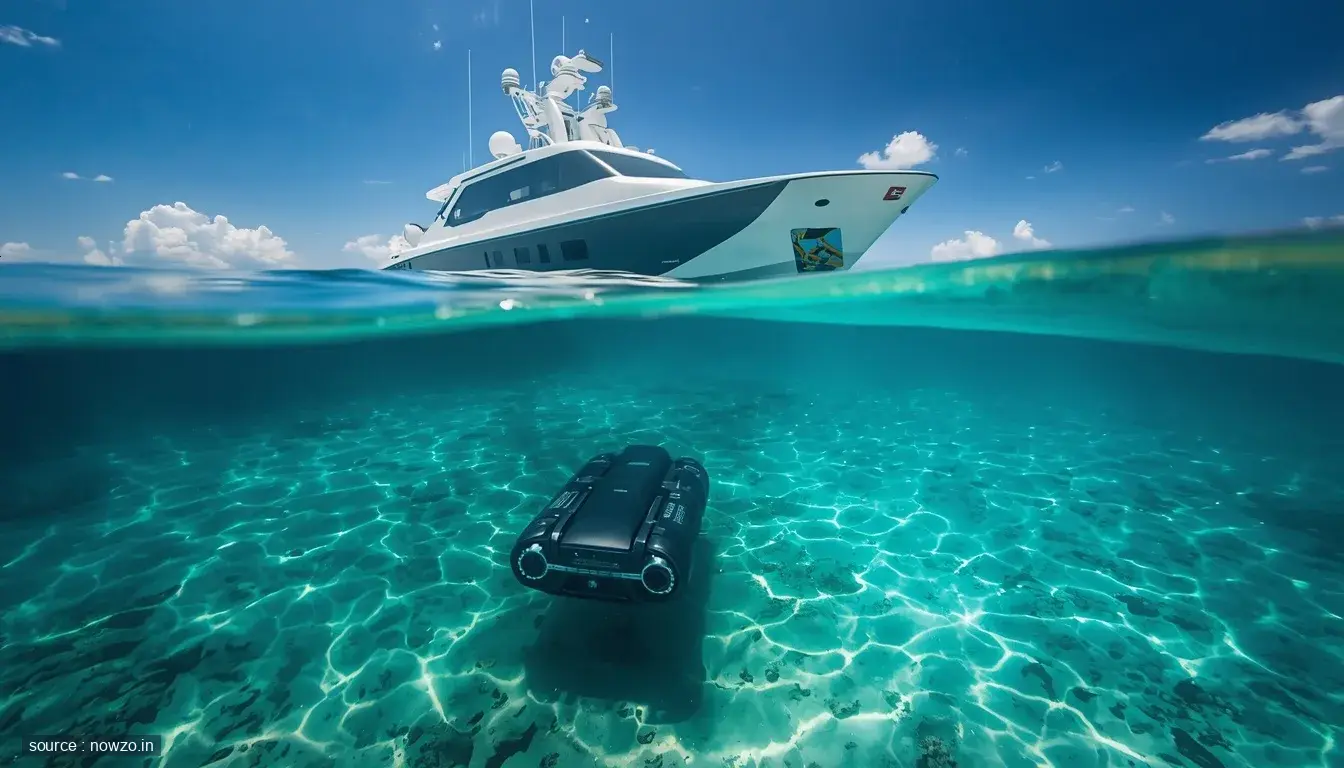
In a quiet but significant operation off the coast of Brunei, an unmanned surface vessel has glided through the waters, its sensors probing the depths below. The M40P USV recently completed a detailed survey of subsea pipelines, a task that once required manned vessels and carried higher risks and costs.
How Autonomous Technology is Changing Marine Surveys
The use of unmanned systems like the M40P represents a shift in how critical infrastructure is monitored and maintained. These vessels can operate for extended periods, capture high-resolution data, and reduce human exposure to hazardous environments. For energy companies and maritime authorities, that means more frequent and cost-effective inspections.
This successful survey in Brunei waters highlights the reliability and growing adoption of unmanned technology in the maritime sector, particularly for subsea infrastructure.
What This Means for the Future of Maritime Operations
As autonomous systems prove their worth in real-world conditions, their integration into routine operations seems inevitable. The M40P’s mission is one more step toward a future where unmanned vessels are commonplace in ports, coastal areas, and open seas—handling everything from surveys to security.
This report is for informational purposes only and does not constitute investment or operational advice.


Comments