
Introduction
As wildfires grow more intense and frequent, traditional firefighting methods are being pushed to their limits. But a wave of innovation is rising to meet the challenge. From the skies to sound waves, new tools are transforming how we combat these devastating blazes.
Prerequisites: Basic understanding of wildfire risks; time needed varies by technology deployment.
Step-by-Step Guide to Modern Firefighting Tech
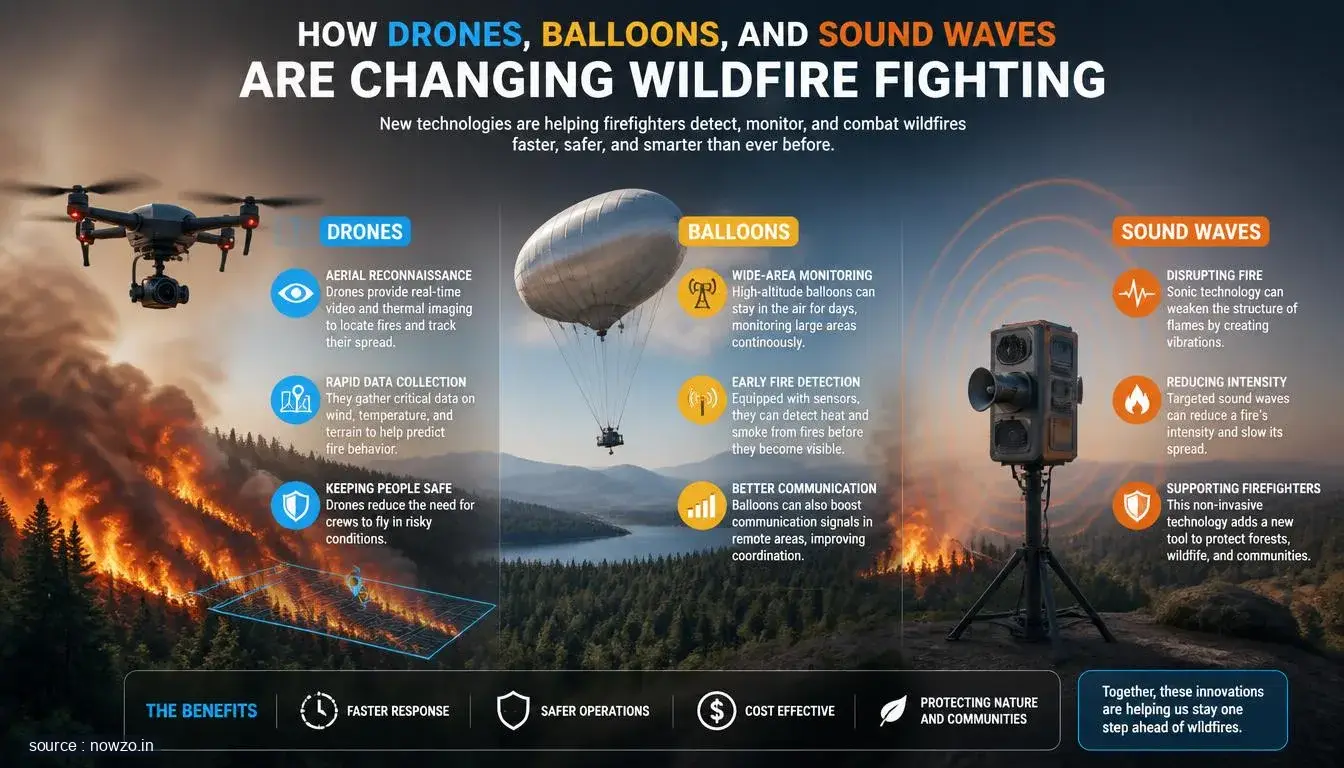
- Deploy Drones for Aerial Surveillance
Drones equipped with thermal cameras and sensors provide real-time data on fire spread, hotspots, and terrain. They fly where manned aircraft can't, offering a safer, cost-effective eye in the sky. - Utilize Balloons for Persistent Monitoring
High-altitude balloons station themselves above fire zones, delivering continuous imagery and atmospheric data. They act as floating command centers, relaying critical info to ground teams. - Harness Sound Waves to Disrupt Flames
Low-frequency sound waves can disrupt the combustion process by separating oxygen from fuel. Portable acoustic devices are being tested to create firebreaks without water or chemicals. - Integrate Data for Smarter Decisions
Combine inputs from drones, balloons, and ground sensors into predictive models. This integration helps anticipate fire behavior and allocate resources more effectively.
Tip: These technologies work best when integrated with traditional methods—think of them as force multipliers, not replacements.
Common Mistake: Over-relying on tech without training personnel adequately. Success depends on skilled operators interpreting data correctly.
Key Checklist for Implementation
- Assess local fire risks and terrain suitability
- Secure necessary regulatory approvals for aerial devices
- Train teams on technology operation and data interpretation
- Establish communication protocols between tech and ground crews
- Test systems in controlled environments before full deployment
Conclusion
The future of firefighting is here—and it's buzzing overhead, floating silently, and humming with potential. While these tools won't eliminate wildfires overnight, they're already saving lives and landscapes. The next step? Making them accessible to every community in the fire line.


Comments