
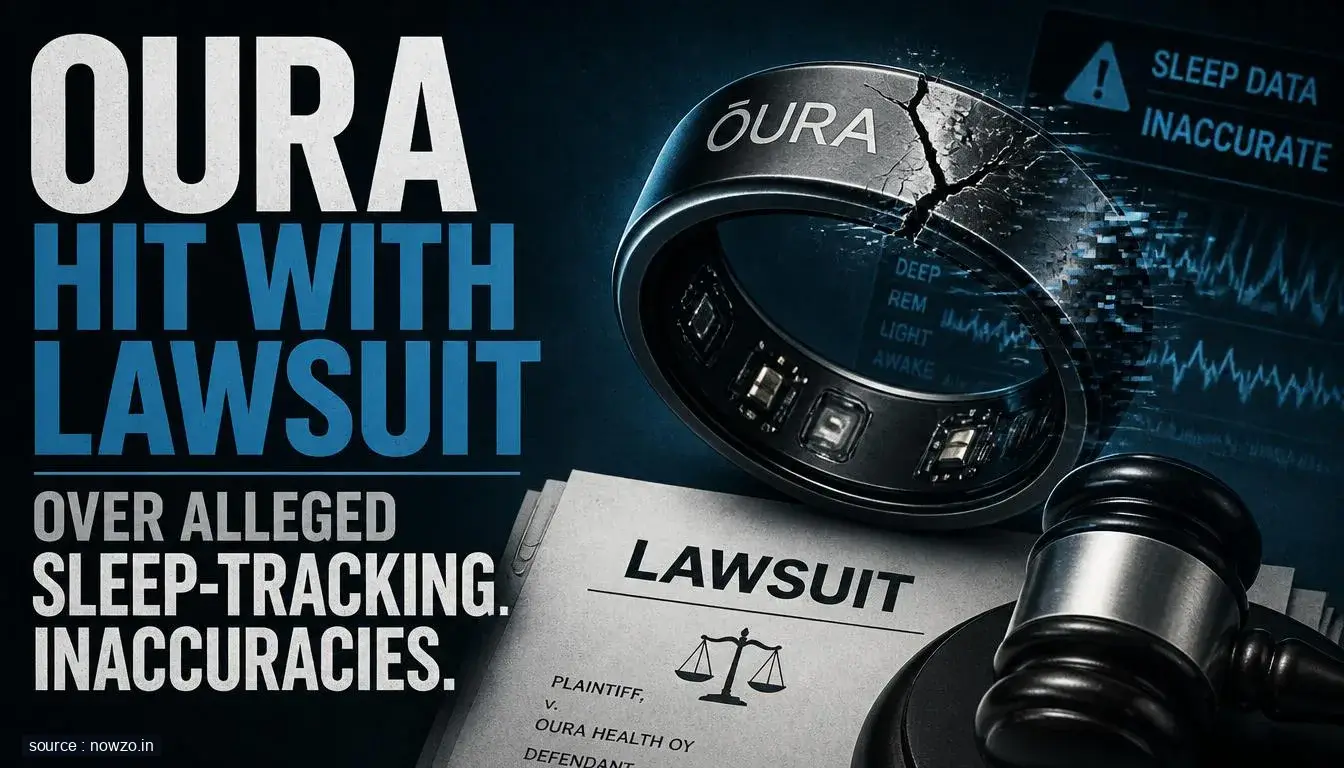
Oura, the company behind the sleek health-tracking smart rings worn by millions, is now facing a legal challenge that strikes at the heart of its product claims. A class-action lawsuit has been filed alleging that the device’s sleep-tracking capabilities are not as accurate as advertised—raising questions about the reliability of the data users rely on to manage their health.
- Lawsuit claims Oura’s sleep-tracking technology provides misleading data
- Case filed as a class action, potentially involving many users
- Focus on alleged discrepancies between marketed accuracy and real-world performance
What the Lawsuit Alleges
The legal action centers on the argument that Oura’s rings do not deliver the precision in sleep monitoring that the company promises. Consumers purchasing the wearable often do so with the expectation that it will provide trustworthy insights into their sleep stages, duration, and quality—data that can influence daily habits and health decisions.
Broader Implications for Wearable Tech
This case taps into growing scrutiny around health wearables and the responsibility tech companies bear when marketing devices capable of influencing personal wellness choices. If the claims hold, it could prompt wider calls for transparency and third-party validation in the fast-growing fitness tech industry.
What’s Next for Oura
While the company has not yet issued a public response to the suit, the outcome could affect consumer trust in not only Oura but similar devices that blend lifestyle convenience with health diagnostics. For now, users and investors alike are watching closely.


Comments