
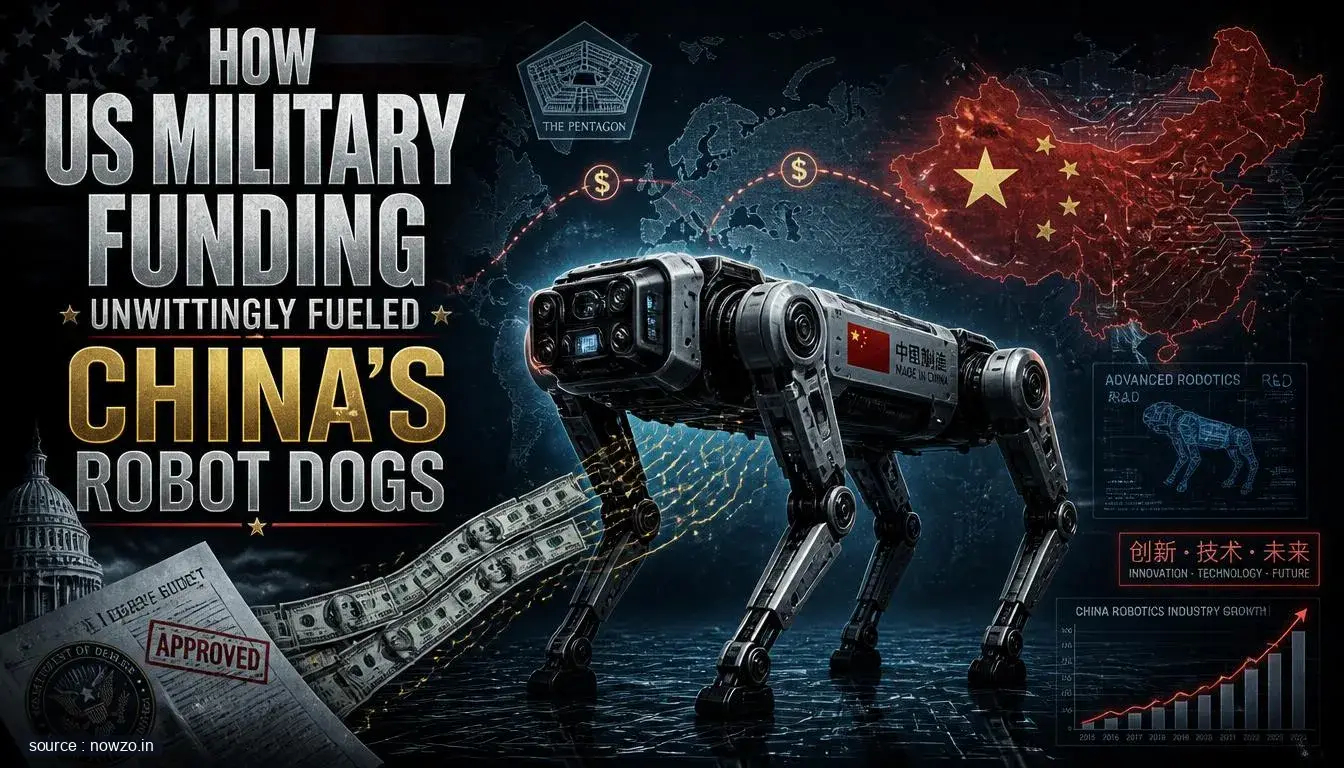
The sleek, four-legged machines move with uncanny grace across rough terrain, their metallic frames carrying surveillance equipment and payloads with military precision. These robot dogs, developed by Chinese firm Unitree Robotics, represent cutting-edge technology with clear defense applications. What makes their story particularly striking is where some of their development funding originated: the United States military itself.
Key facts:
- Chinese robotics company Unitree Robotics developed advanced robot dogs
- The company received funding from US military grants and programs
- These robotic systems are now being used by China's military forces
- The technology transfer occurred through global supply chains and research collaboration
An Unintended Consequence
Through various grant programs and research initiatives, US defense funding found its way to Unitree Robotics, helping accelerate their technological development. The company leveraged this support to make significant advances in robotics, particularly in the area of quadrupedal robots that mimic animal movement patterns. These systems demonstrate remarkable stability, agility, and adaptability to challenging environments.
Strategic Implications
The situation presents a complex dilemma for defense officials and policymakers. While international research collaboration often drives innovation, this case shows how technology developed with strategic interests in mind can ultimately benefit potential competitors. The robot dogs now serve multiple functions within China's military infrastructure, from reconnaissance missions to potentially carrying equipment or even weapons in combat scenarios.
Broader Concerns
This isn't just about robot dogs. It's about how globalized technology development creates unexpected pathways for strategic technologies to cross borders. Research partnerships, supply chain dependencies, and international academic collaboration—all vital for progress—can sometimes create unintended security challenges. The case highlights the delicate balance between open innovation and protecting strategic technological advantages.

Comments