
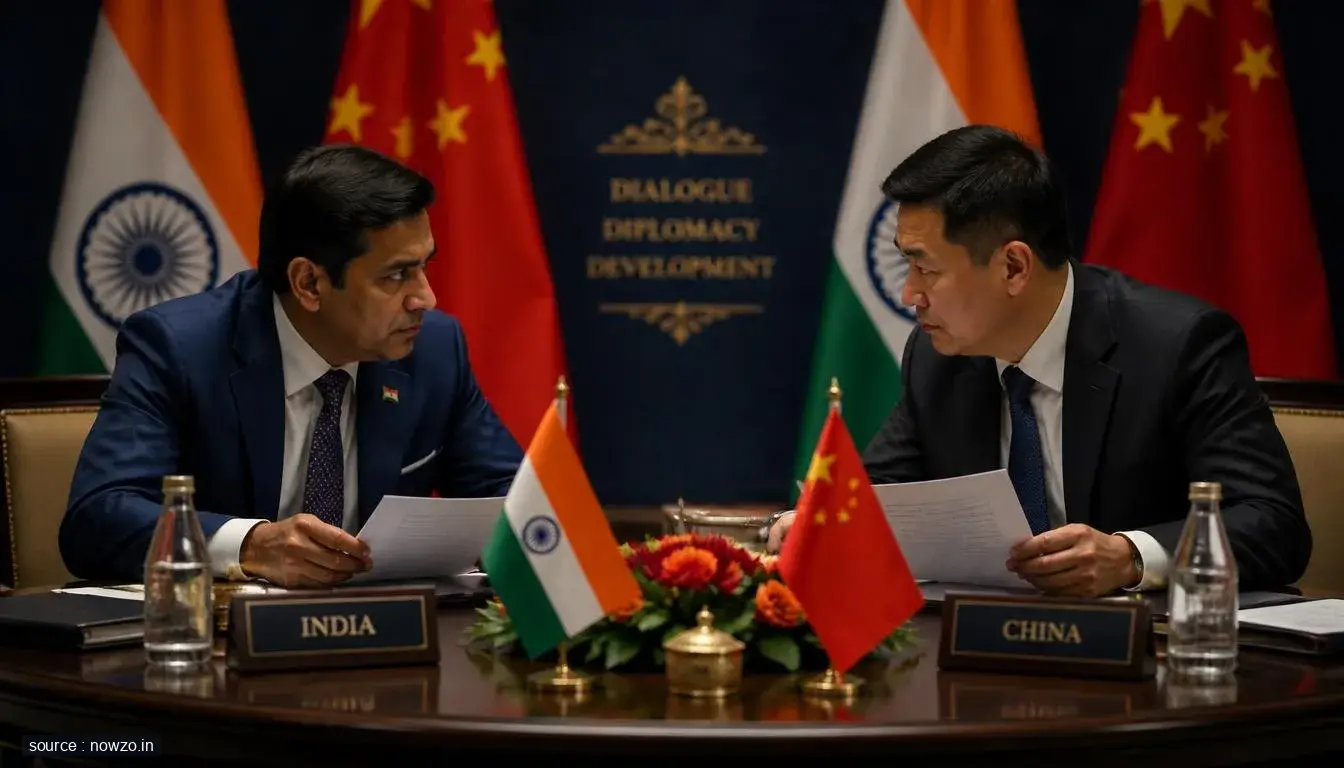
The delicate dance of diplomacy between India and China continues this week, with National Security Advisor Ajit Doval meeting Chinese Vice-President Han Zheng in Beijing. The high-level engagement comes amid ongoing border talks—but behind the handshakes and formal statements, significant challenges remain.
Key facts
- NSA Ajit Doval met Chinese Vice-President Han Zheng ahead of border negotiations
- Chinese scholar warns "structural differences have not disappeared" between nations
- President Xi Jinping may visit India for the first time in seven years
- Border peace and bilateral ties were discussed during meetings
The Persistent Divide
Even as diplomats exchange pleasantries, the fundamental disagreements that have strained relations for years show no signs of vanishing. A Chinese strategic affairs scholar offered a sobering assessment, noting that despite the current diplomatic flurry, "structural differences have not disappeared" between the two Asian powers.
The comment underscores the delicate balance officials must maintain—projecting progress while acknowledging the deep-seated issues that continue to separate New Delhi and Beijing.
Diplomatic Movements
Doval's meeting with Han Zheng focused on border peace and broader bilateral relations, setting the stage for more substantive talks. The engagement represents the latest effort to manage tensions that have periodically flared along the disputed frontier.
Perhaps most significantly, Reuters reports that President Xi Jinping may soon visit India with a large delegation—what would be his first trip to the country in seven years. Such a visit would mark a major diplomatic event, though experts caution it would require substantial groundwork given current tensions.
The Road Ahead
Questions linger about whether New Delhi might adjust its long-standing position on seeking a comprehensive settlement across all border sectors. This two-decade-old approach has defined India's negotiation strategy, but some wonder if flexibility might emerge as both nations seek stability.
For now, watchful optimism seems the prevailing mood. The diplomatic channels are open, high-level engagement continues, but as one scholar reminded us, the underlying structural differences that divide these neighbors remain very much present.


Comments