
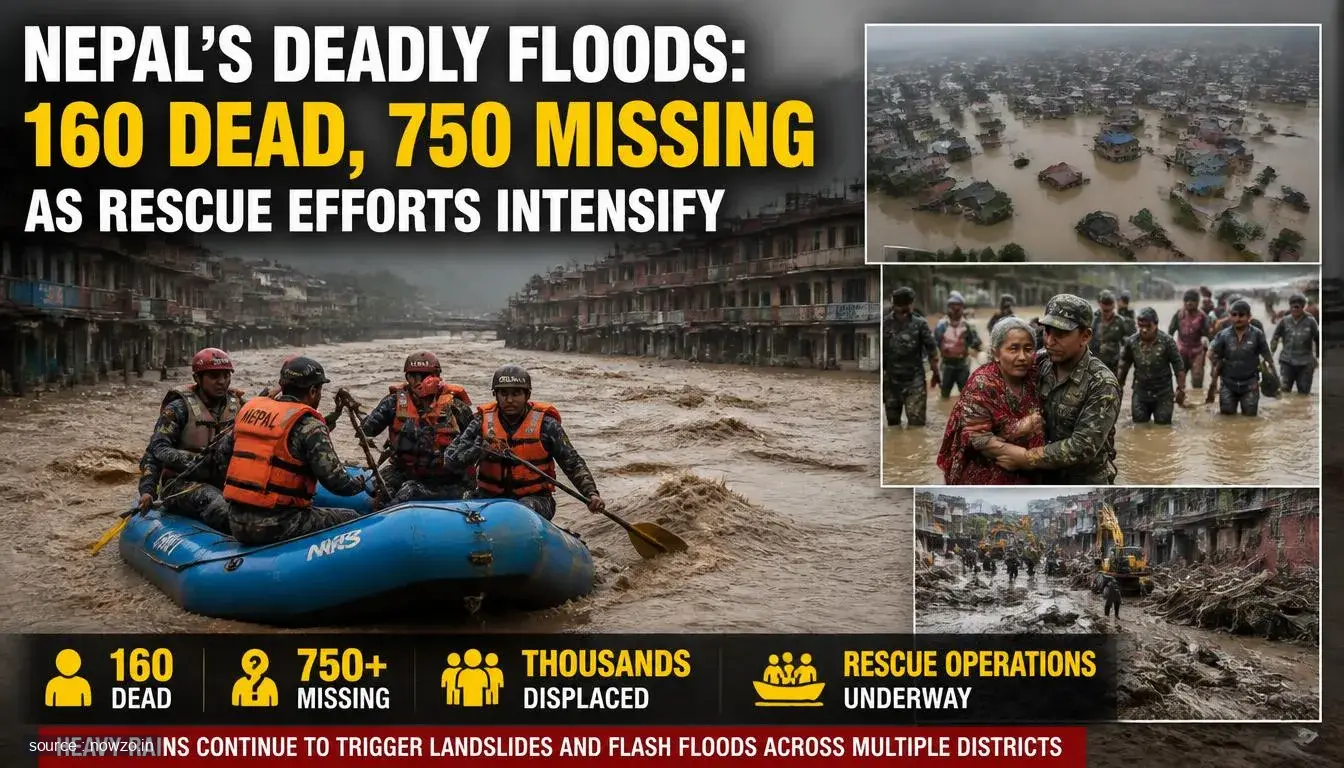
The mountains shuddered, then gave way. In a moment of terrifying force, a glacier collapsed in Nepal, unleashing a torrent of water and debris that swept through valleys and communities. The toll was swift and brutal: more than 350 lives lost, with fears mounting that rising water levels could trigger another disaster.
- Over 350 confirmed deaths from the flooding
- Event triggered by a massive landslide and glacier collapse
- Authorities in bordering Indian districts on high alert
- Spiritual leader Sadhguru Jaggi Vasudev emotionally addressed missing pilgrims
A Region Under Threat
This isn't just another natural disaster. Scientists point to this catastrophe as a stark warning—the Himalayan region sits squarely in climate change's crosshairs. As temperatures climb, glaciers become unstable, and the very mountains that define this landscape turn increasingly treacherous.
Human Toll and Response
Beyond the staggering death count, the human stories cut deep. Spiritual leader Sadhguru Jaggi Vasudev broke down while speaking about pilgrims who vanished in the flash floods, their journey to Mount Kailash tragically interrupted. Meanwhile, authorities in Uttar Pradesh districts bordering Nepal have issued high alerts, monitoring vulnerable rivers as water levels remain dangerously unstable.
What Comes Next?
The immediate focus remains on search, rescue, and preventing further catastrophe. But the broader question lingers: how many more warning signs will it take? This glacier collapse serves as a brutal reminder that in vulnerable regions, climate risk isn't theoretical—it's washing through villages, claiming lives, and rewriting futures.

Comments