
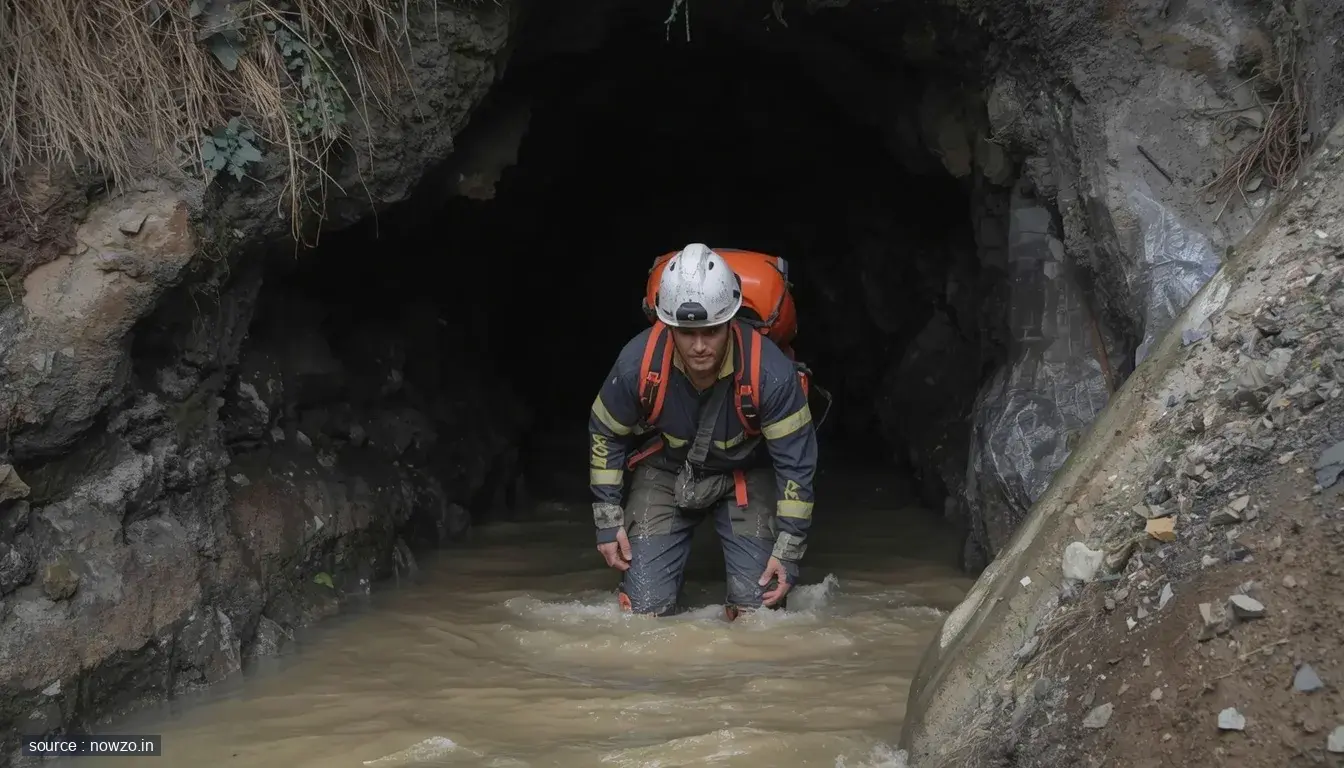
The darkness lasted eight days. The water rose, the oxygen thinned, and hope seemed to drain away with each passing hour. Then, against all odds, light broke through—and with it, two miracles.
Key facts
- Two workers rescued after more than a week trapped
- Flash flood caused the tunnel collapse
- Rescue involved complex engineering coordination
- International experts assisted via digital platforms
The relentless rescue operation
For over 170 hours, rescue teams battled against time and terrain. The flash flood had turned the hydropower tunnel into a death trap, filling chambers with debris and cutting off escape routes. Engineers from around the world joined forces through digital platforms, sharing expertise in real-time to guide the delicate extraction process.
A coordinated effort across borders
What made this rescue remarkable wasn't just its duration—it was the collaboration. Specialists communicated through messaging groups, analyzing soil stability, water levels, and structural integrity. Their calculations guided Nepali crews on the ground as they carefully cleared pathways through the wreckage.
Beyond the immediate miracle
While celebrations erupt for the survivors, the operation highlights growing concerns about Himalayan infrastructure projects. These mountains are becoming increasingly unstable due to climate changes, yet warning systems and safety protocols haven't kept pace with the risks.





Comments