
In capitals around the world, a quiet revolution is brewing. Governments plagued by inefficiency and bureaucratic gridlock are turning to an unlikely savior: artificial intelligence. The technology that powers everything from search engines to self-driving cars is now being deployed to tackle some of the most persistent problems in public administration.
Key facts
- AI systems can process citizen requests and paperwork far faster than human teams
- Machine learning algorithms help identify patterns in service delays and bottlenecks
- Several governments are piloting AI tools for everything from permit processing to benefit distribution
The promise of streamlined services
Imagine applying for a business license and receiving approval in hours instead of months. Or reporting a pothole and watching it get fixed within days rather than waiting through seasons of neglect. This isn't some futuristic fantasy—it's the tangible promise AI brings to governance. The technology excels at cutting through red tape, automating routine tasks, and ensuring citizens don't get lost in bureaucratic labyrinths.
Real-world applications taking shape
From South America to Southeast Asia, forward-thinking administrations are testing AI solutions right now. These aren't theoretical exercises—they're live pilots showing concrete results. One regional government slashed document processing times by 80% using natural language processing tools. Another used predictive analytics to allocate infrastructure repair crews more effectively, addressing problems before citizens even complained.
The human factor remains crucial
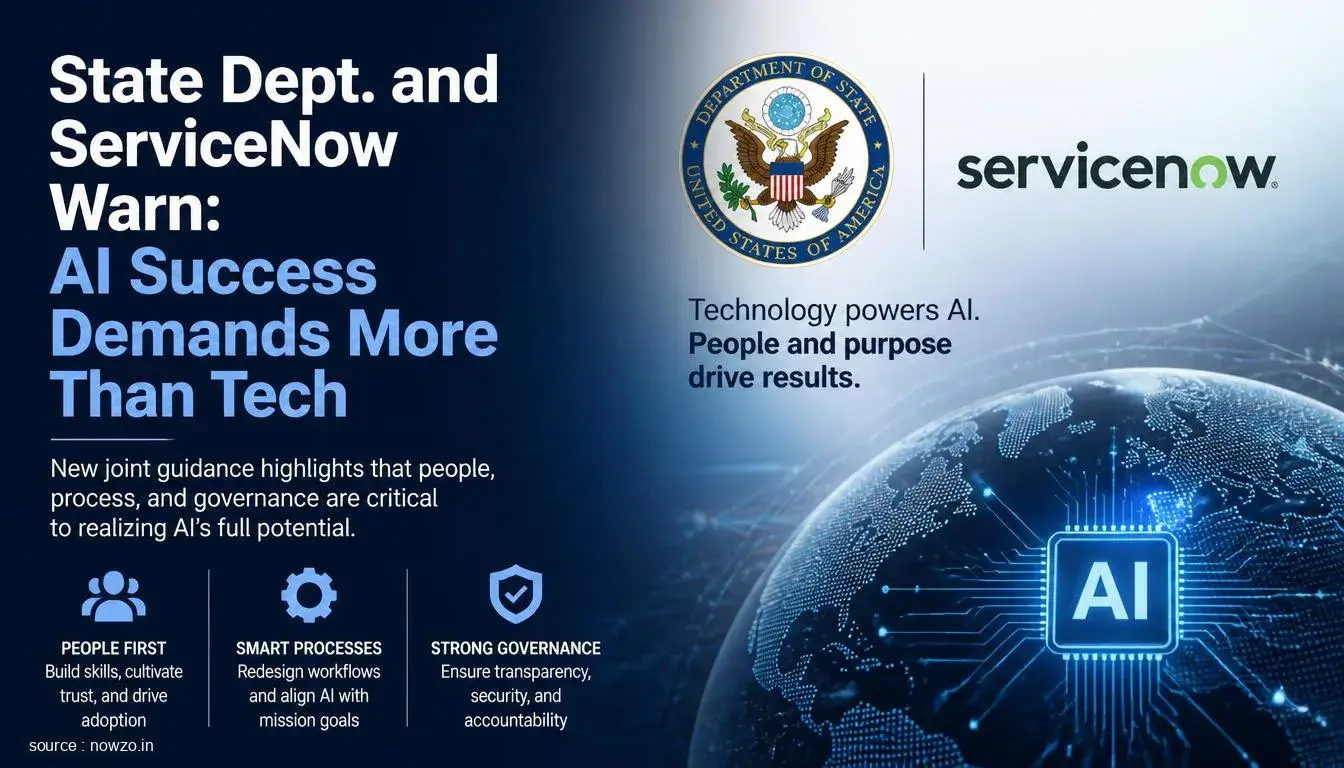
Yet for all its potential, AI alone can't fix deep-seated institutional problems. The technology works best when paired with political will and administrative reform. It's a tool, not a miracle cure. The most successful implementations combine smart algorithms with smarter policy changes—proving that while AI can show governments the way forward, people still need to choose to walk that path.





Comments