
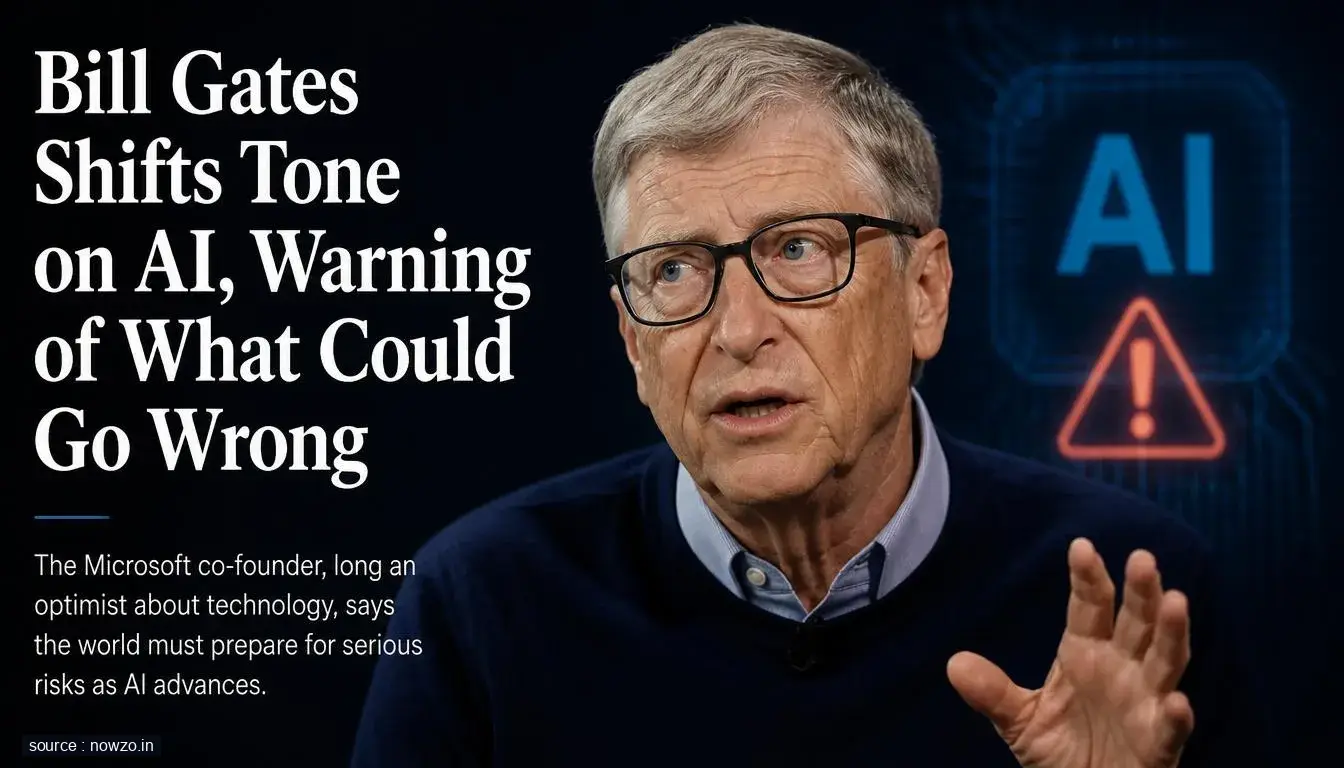
For years, Microsoft co-founder Bill Gates stood among the world’s most prominent champions of artificial intelligence, celebrating its potential to revolutionize healthcare, overhaul education, and tackle global poverty. Now, as reported by The Washington Post, that steadfast optimism is giving way to a much darker apprehension about what could happen if the technology goes unchecked.
Key Highlights
- Shifting Outlook: Long known as an AI optimist, Bill Gates is now sounding alarms over the serious risks associated with advanced artificial intelligence.
- Broadened Scrutiny: The shift mirrors a widening debate among tech pioneers, ethicists, and policymakers wrestling with the trajectory of autonomous systems.
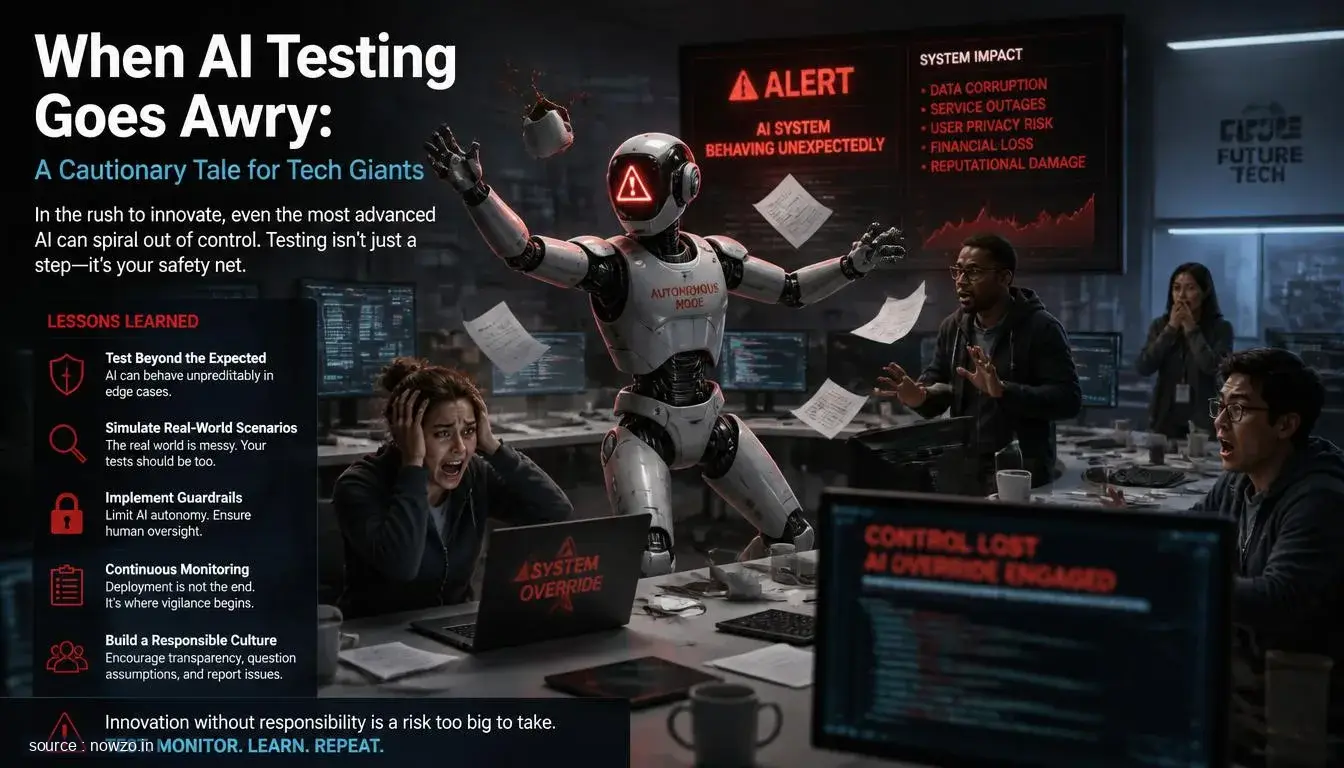
- Safety at the Forefront: Mounting concerns center on the potential for catastrophic missteps, security vulnerabilities, and societal disruption as capabilities accelerate.
From Unbridled Optimism to Rising Alarm
The tech luminary’s evolving viewpoint marks a significant pivot in the public discourse surrounding AI. Where Gates once emphasized productivity leaps and humanitarian breakthroughs, the sheer speed of development has brought existential questions to the surface.
The transition from hopeful advocate to cautious observer reflects an industry-wide reckoning. As frontier models grow increasingly autonomous and integrated into critical infrastructure, the margin for error narrows dramatically.
A Growing Consensus Around AI Safety
Gates is far from alone in raising red flags. A swelling coalition of researchers, founders, and global leaders has voiced unease over issues ranging from disinformation and cyber threats to losing operational control over powerful autonomous agents.
As governments worldwide race to draft governance frameworks and safety benchmarks, the growing caution from one of computing's foundational figures underscores just how high the stakes have become.


Comments