
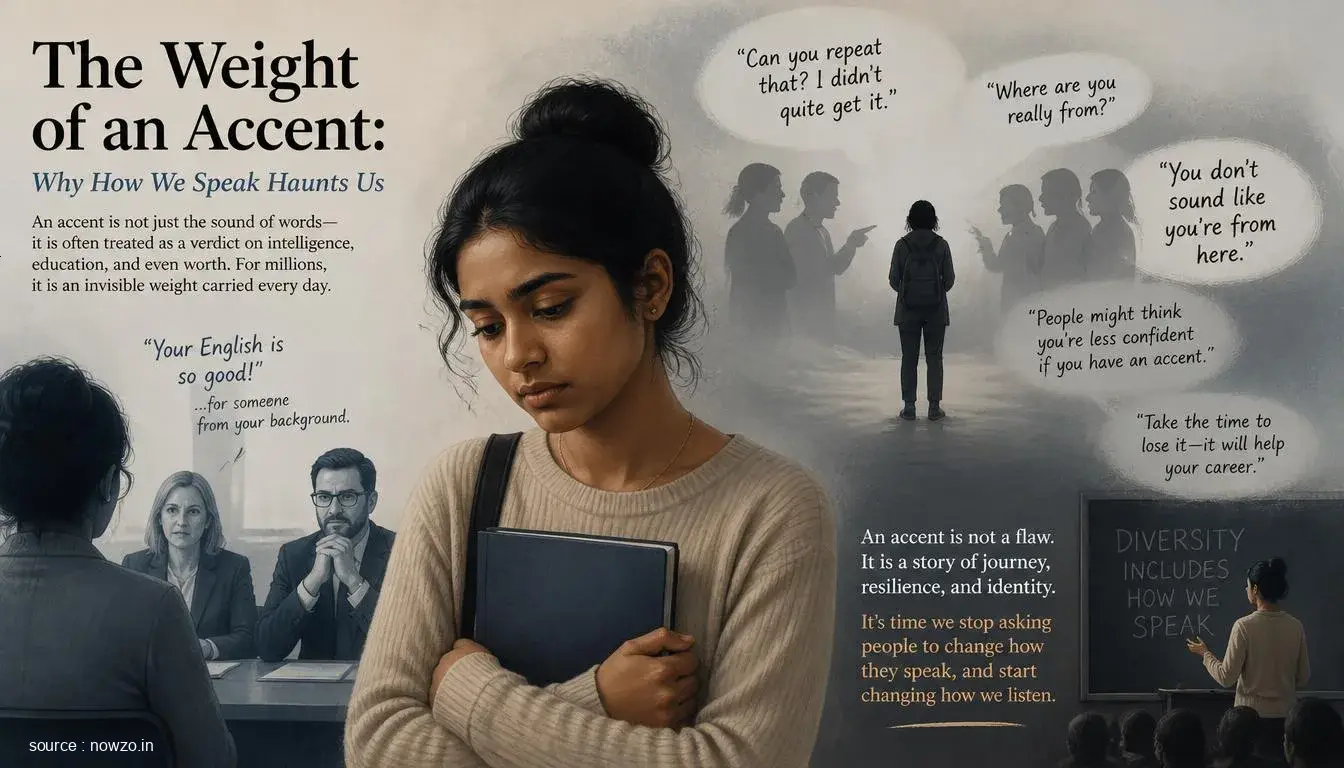
It starts with a hesitation before speaking, a subtle shift in tone, or sometimes outright avoidance. For countless people, their accent isn't just a way of talking—it's a source of deep-seated worry.
Key facts
- Many individuals feel judged or insecure about their regional accents
- Accents can influence perceptions in professional and social contexts
- This anxiety affects people from various backgrounds and regions
The Social Cost of Sounding Different
When your voice doesn't match the expected norm, every conversation can feel like a test. People report holding back in meetings, avoiding phone calls, or even rehearsing sentences to sound "more proper." The fear isn't imaginary—studies show accents trigger unconscious biases that affect hiring decisions and social acceptance.
Beyond Queen's English
The classic example of "not speaking the Queen's English" represents just one facet of this phenomenon. From Southern drawls to urban dialects, from immigrant accents to regional twangs—the anxiety crosses geographic and cultural boundaries. It's the unease that comes when you wonder if people are listening to what you're saying or how you're saying it.
"I didn't speak the Queen's English"
That simple admission captures volumes about the quiet shame many carry. The quote suggests not just a difference in pronunciation, but a perceived deficiency—a feeling of coming up short against some unspoken standard.
The Professional Price Tag
In workplaces especially, accents become professional currency. Some consciously soften their regional tones while others embrace them as authenticity. But the calculation is always there: will this help me connect or create distance? The answer often depends on who's listening, and what prejudices they bring to the conversation.





Comments