
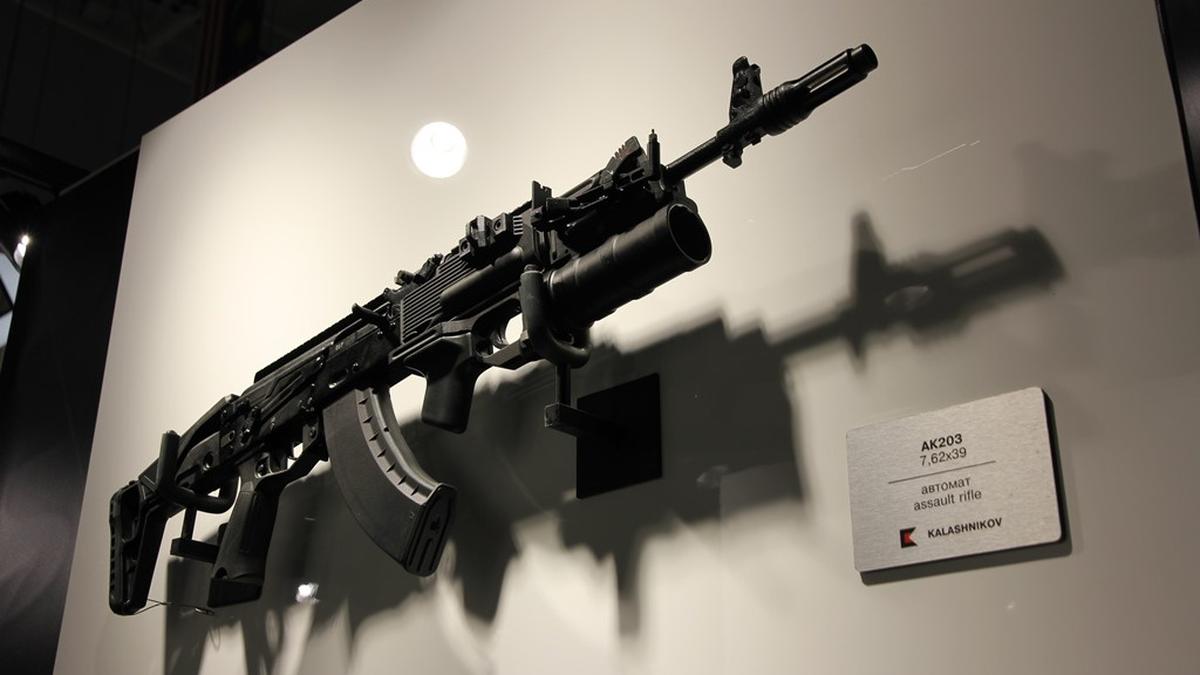
The AK-203 is a modern assault rifle designed by Russia's Kalashnikov Group, firing the 7.62x39 mm cartridge. It's a descendant of the iconic AK-47, built for infantry and frontline troops, with a 30-round magazine and a rate of fire of about 700 rounds per minute.
Why the Theft Matters
Four AK-203 rifles were reported missing on August 31, 2026, from a storage facility in the Bollarum area of Secunderabad Cantonment, Hyderabad. Alongside them, an INSAS rifle with three magazines and several pistels vanished. Army personnel discovered broken locks, prompting a joint investigation with Bollarum police.
This isn't just about missing hardware—it's about advanced weaponry potentially falling into the wrong hands. The AK-203 represents a significant upgrade for India's infantry, and its loss raises security concerns far beyond Hyderabad.
How the Rifle Works
The AK-203 operates using trapped gas from its own bullets. When the trigger is pulled, gunpowder ignites, pushing the bullet down the barrel. Before it exits, some hot gas flows into a small tube, driving a metal rod backward. This action opens the gun's mechanism, ejecting the spent shell.
A heavy spring then snaps everything forward again, loading a fresh bullet from the magazine and locking it into place. It's a robust, rapid system designed for reliability in demanding conditions.
India's AK-203 Program
India's journey with the AK-203 began in 2018 with a Russo-Indian agreement to manufacture the rifles locally. By March 2019, the Indo-Russian Rifles Private Limited was established in Korwa, Uttar Pradesh, to handle production.
An initial batch of 70,000 rifles was imported from Russia to meet urgent needs. Then, in 2024, the joint venture produced and transferred 35,000 indigenously made AK-203s to the Indian Army. The goal is a gradual, phased replacement of the ageing INSAS rifles, starting with units in operational areas.
The presence of AK-203s in a peacetime location like Secunderabad reflects the Army's structured rollout—prioritizing frontline formations but eventually equipping all infantry units as production scales.
Practical Implications
- Infantry Upgrade: The AK-203 offers soldiers a modern, durable weapon for close and medium-range combat, enhancing operational effectiveness.
- Security Protocols: The theft underscores the need for stringent safeguards around advanced military assets, even in non-combat zones.
- Manufacturing Momentum: With local production underway, the AK-203 is set to become a staple of India's infantry, reducing dependency on imports.


Comments