
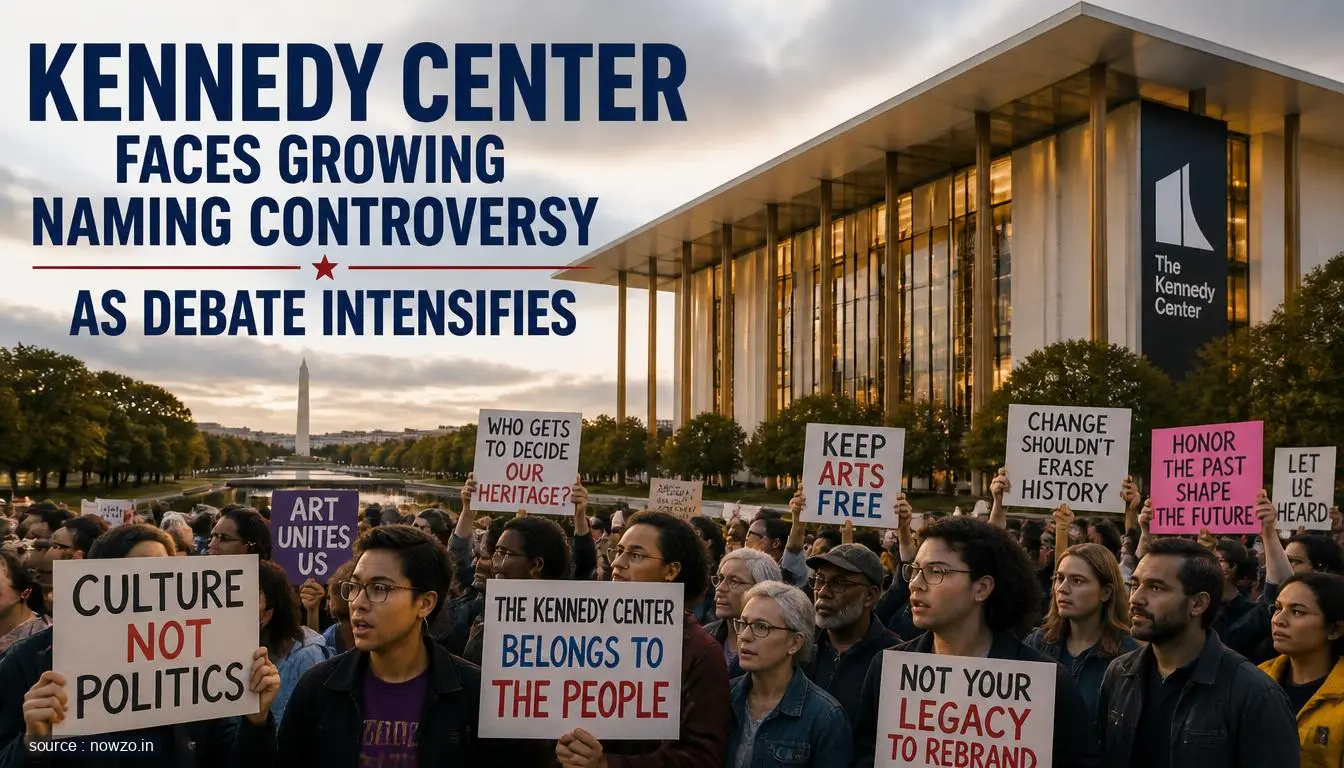
The Kennedy Center, one of the most recognizable cultural institutions in the United States, has found itself at the heart of a growing naming controversy that is capturing public attention and fueling debate across the country.
The dispute over the center's name has emerged as a significant point of contention, drawing reactions from various quarters and placing the iconic Washington, D.C. venue under an intense spotlight. The controversy touches on broader questions about how public institutions are named, who gets to decide, and what those names represent to the communities they serve.
A Landmark Institution Under Scrutiny
The Kennedy Center has long stood as a symbol of American arts and culture, hosting world-class performances and serving as a living memorial. Any proposed change to its name carries enormous symbolic weight, making the current controversy particularly charged for those on all sides of the debate.
Naming disputes involving prominent public institutions are rarely simple matters. They often intersect with questions of history, legacy, politics, and public sentiment. In the case of the Kennedy Center, the controversy has prompted widespread discussion about the values and identities embedded in the names of the nation's most treasured cultural spaces.
Public Reaction and Broader Implications
The controversy has generated considerable reaction from the public, with opinions divided on how the situation should be resolved. Debates over institutional naming have become increasingly common in recent years, as communities across the country grapple with how to honor history while also reflecting contemporary values.
For an institution as prominent as the Kennedy Center, the stakes are especially high. The venue is not only a performing arts center but also a national landmark with deep cultural significance. Any decision regarding its name would likely have lasting implications for how the institution is perceived both domestically and internationally.
What Comes Next
As the naming controversy continues to unfold, attention will remain focused on how stakeholders respond and whether any formal steps are taken to address the dispute. The situation remains fluid, and further developments are expected as the debate progresses.
The Kennedy Center naming controversy serves as a reminder of the powerful role that names play in shaping public memory and institutional identity. How this particular dispute is ultimately resolved could set an important precedent for similar debates at other major cultural institutions across the nation.






Comments