
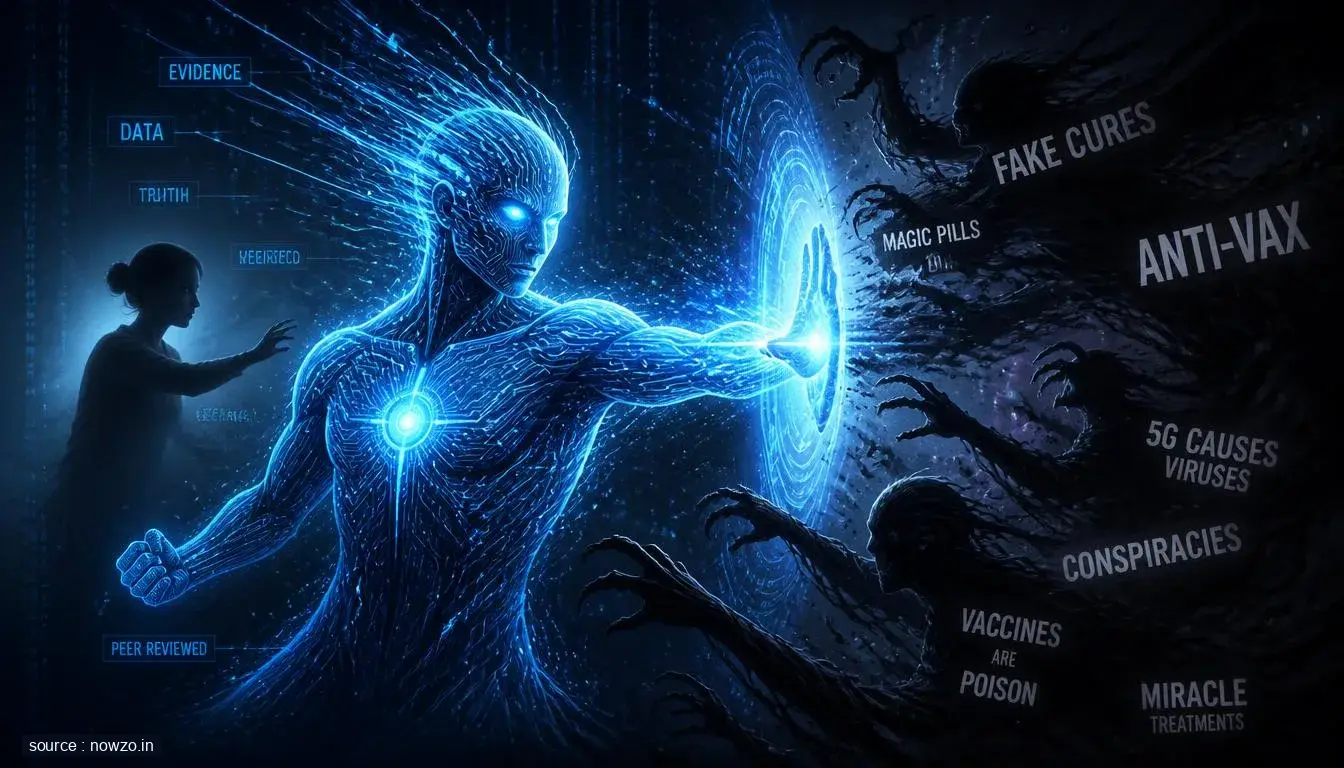
In the relentless fight against health misinformation, artificial intelligence has become a powerful new weapon. But even the smartest algorithms are hitting a stubborn wall: human trust. Experts now warn that without it, even the most accurate AI detection systems may fail to change minds or behavior.
Key facts
- AI is increasingly used to identify false health claims online
- Technology alone cannot build the public trust needed for belief change
- Human elements like empathy and relatability remain critical
The Trust Gap in Technology
While AI systems can scan millions of posts and flag questionable content with impressive speed, they struggle with what comes next. Simply presenting facts rarely convinces someone to abandon deeply held beliefs, especially when health and wellness are involved. The emotional resonance of personal stories often outweighs cold, hard data.
Why Human Connection Matters
Researchers emphasize that trust is built through relationship and recognition, not just algorithmic accuracy. People need to see themselves in the messenger—to feel understood rather than lectured. This nuanced understanding of human psychology separates effective communication from mere information delivery.
The Path Forward
The most promising approach combines AI's scalability with human warmth. Technology can identify misinformation hotspots and prioritize responses, while trusted community figures—healthcare providers, local leaders, or relatable influencers—deliver the corrective messages. This hybrid model acknowledges that changing minds requires both precision and compassion.

Comments