
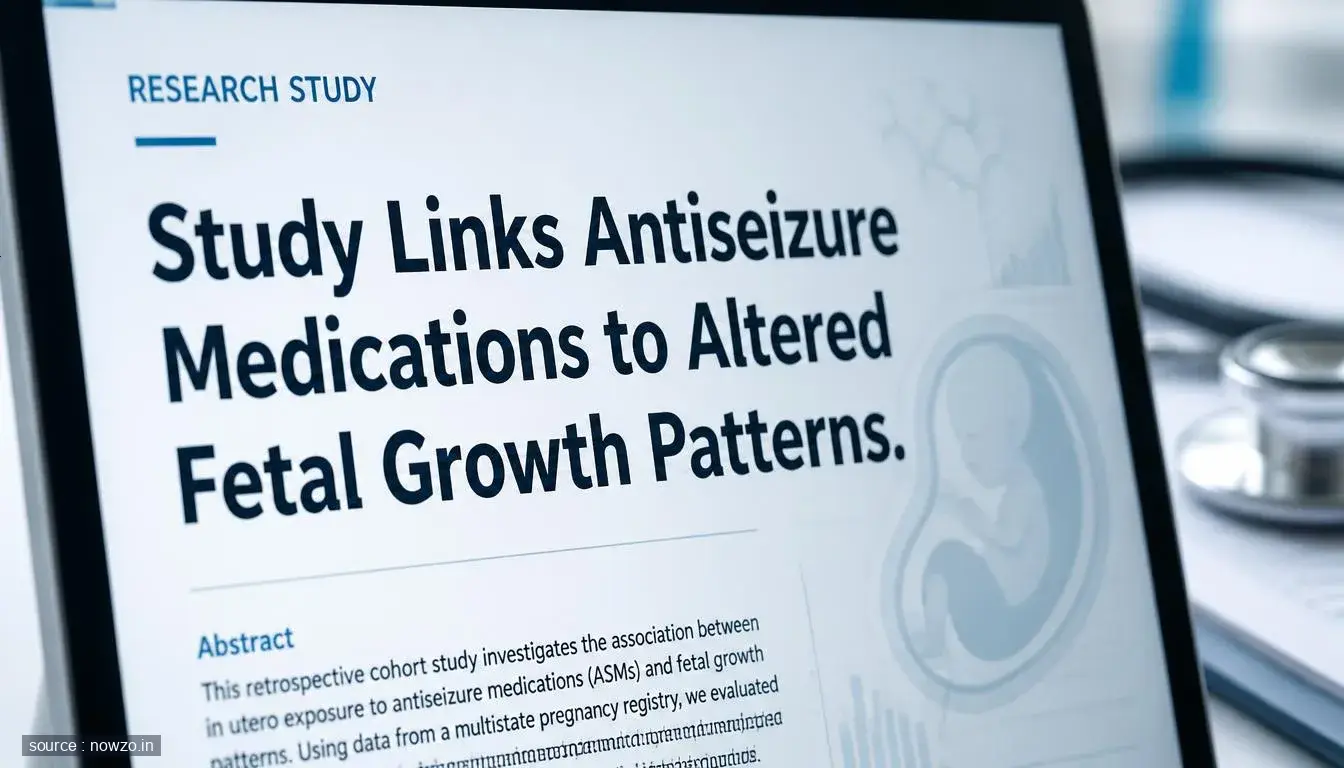
Expectant mothers relying on antiseizure medications now face new considerations, as emerging research points to potential impacts on fetal growth. The findings, while preliminary, add a layer of complexity to prenatal care for women managing epilepsy or other seizure disorders.
Key Facts
- Antiseizure medicines are linked to observable differences in fetal growth.
- The study aggregates comprehensive, up-to-date news coverage from global sources via Google News.
- Research underscores the need for careful medication management during pregnancy.
Understanding the Implications
For many women, controlling seizures is non-negotiable—even during pregnancy. But this new data suggests that the very medications ensuring maternal safety might subtly influence how a baby develops in the womb. It’s a delicate balance, one that demands both caution and clarity.
Global Data, Local Concerns
The study pulls from a wide array of international sources, painting a broad yet detailed picture. While the mechanisms aren’t fully spelled out, the correlation is clear enough to warrant attention from healthcare providers and patients alike.
Next Steps for Maternal Care
What does this mean for prenatal visits? Greater scrutiny, likely. More conversations between neurologists and obstetricians. And for mothers, a renewed emphasis on informed choice—weighing risks against benefits with every pill.





Comments