
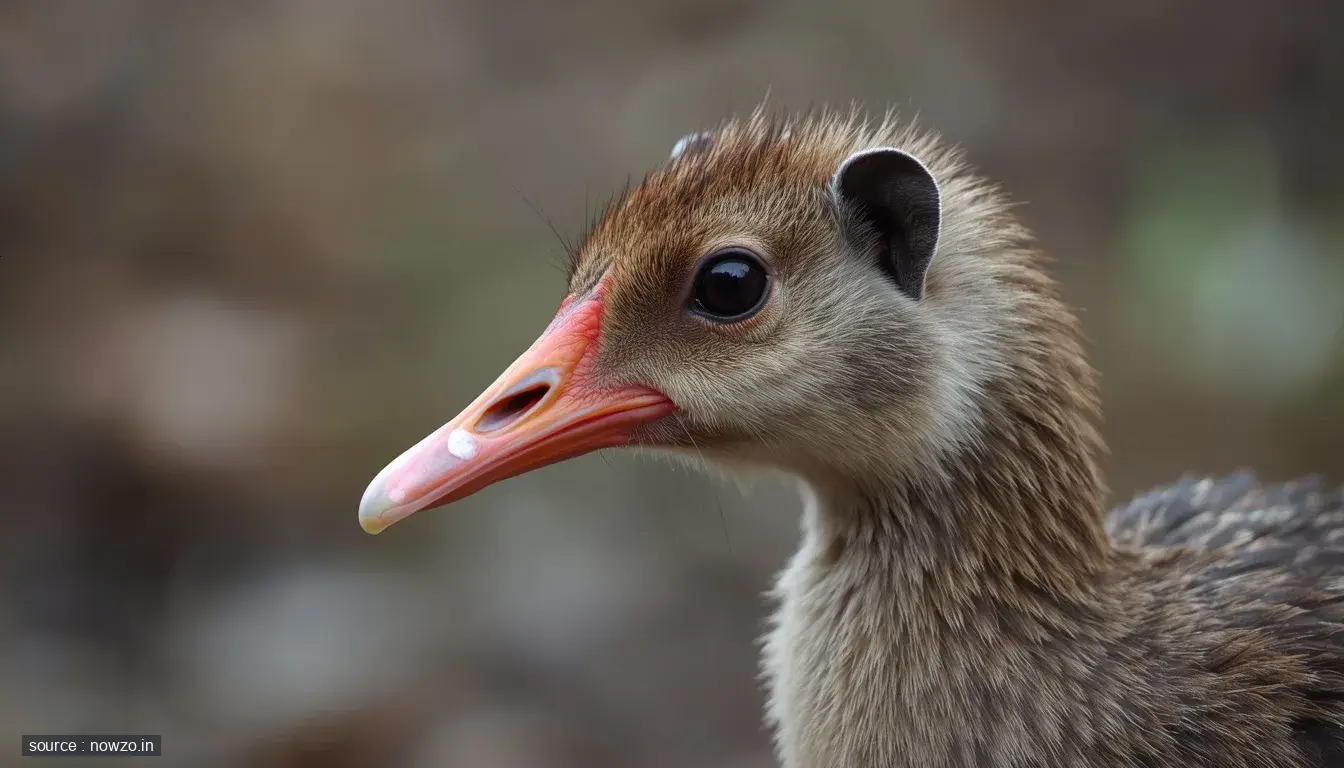
Australia’s wildlife authorities are on high alert after confirming the country’s first case of H5N1 avian influenza in a native mammal. The discovery marks a troubling expansion of the virus’s reach, raising fresh concerns about its potential impact on vulnerable species and ecosystems.
Key facts
- First H5N1 case confirmed in a local Australian mammal
- Virus has already caused seal deaths in South Australia
- Vaccination efforts for wild penguins are being considered
- Endangered sea lion populations could be at risk
Escalating wildlife threat
The confirmation comes amid reports of the virus’s devastating spread among marine mammals. South Australia has recorded its first seal death linked to the disease, while conservationists warn that entire populations of endangered sea lions could be wiped out if the outbreak isn’t contained.
Vaccination challenges
Wildlife experts are grappling with the enormous practical challenges of protecting vulnerable species. Vaccinating wild populations—like the thousand tiny penguins mentioned in reports—requires innovative approaches. "It’s really tricky," one conservation strategy notes, but researchers believe there may be a way.
Broader implications
While the current focus remains on animal populations, the jump to mammals always raises questions about potential human health implications. Australian health authorities are monitoring the situation closely, though no human cases have been reported. The priority remains containing the spread among wildlife and preventing further ecological damage.



Comments