
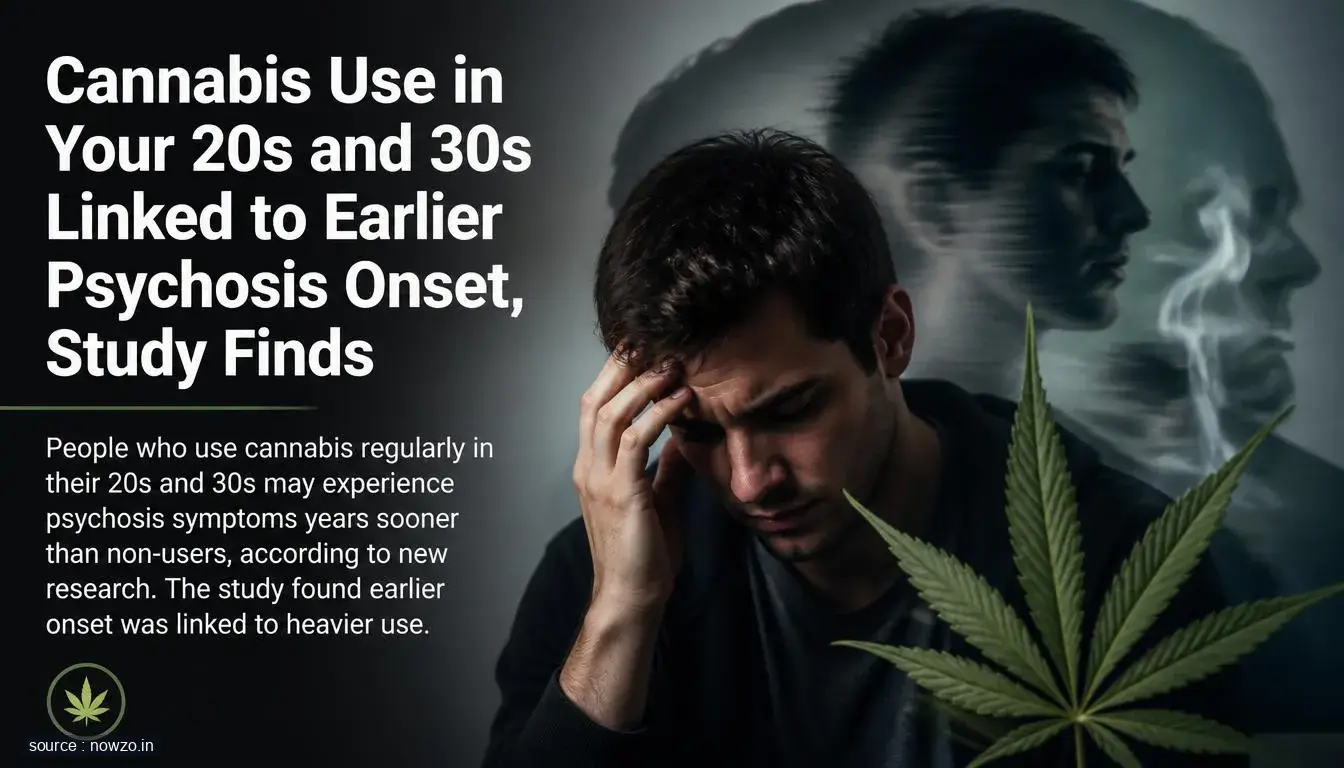
Cannabis use during a person's 20s and 30s has been linked to an earlier onset of psychosis, according to new research that highlights age as a critical factor in understanding the drug's mental health effects.
Age Plays a Key Role in Psychosis Risk
The study, which has drawn coverage from multiple international outlets, found that the relationship between cannabis use and psychosis is not uniform across age groups. Instead, the age at which a person uses cannabis appears to matter significantly when it comes to the timing of psychosis onset.
Researchers examined how cannabis consumption patterns in young and middle adulthood — specifically during the 20s and 30s — correlated with when psychotic symptoms first appeared. The findings suggest that cannabis use during these decades of life may bring forward the onset of psychosis compared to those who do not use the drug.
What the Research Shows
The study adds to a growing body of evidence exploring the connection between cannabis and psychotic disorders. While previous research has established a general link between cannabis use and psychosis, this latest work underscores that the timing of use is an important variable.
The findings have been reported by outlets including The Independent, ABC News, and Technology Networks, reflecting broad scientific and public interest in the mental health implications of cannabis consumption.
Implications for Public Health
The research raises important questions about how cannabis use across different life stages may affect mental health outcomes. Experts say understanding the age-related dimensions of this risk could help inform public health guidance and clinical approaches to cannabis use and psychosis prevention.
As cannabis becomes more widely available and socially accepted in many parts of the world, studies like this one serve as a reminder that its effects on mental health are complex and may vary depending on when in life a person uses the drug.



Comments