
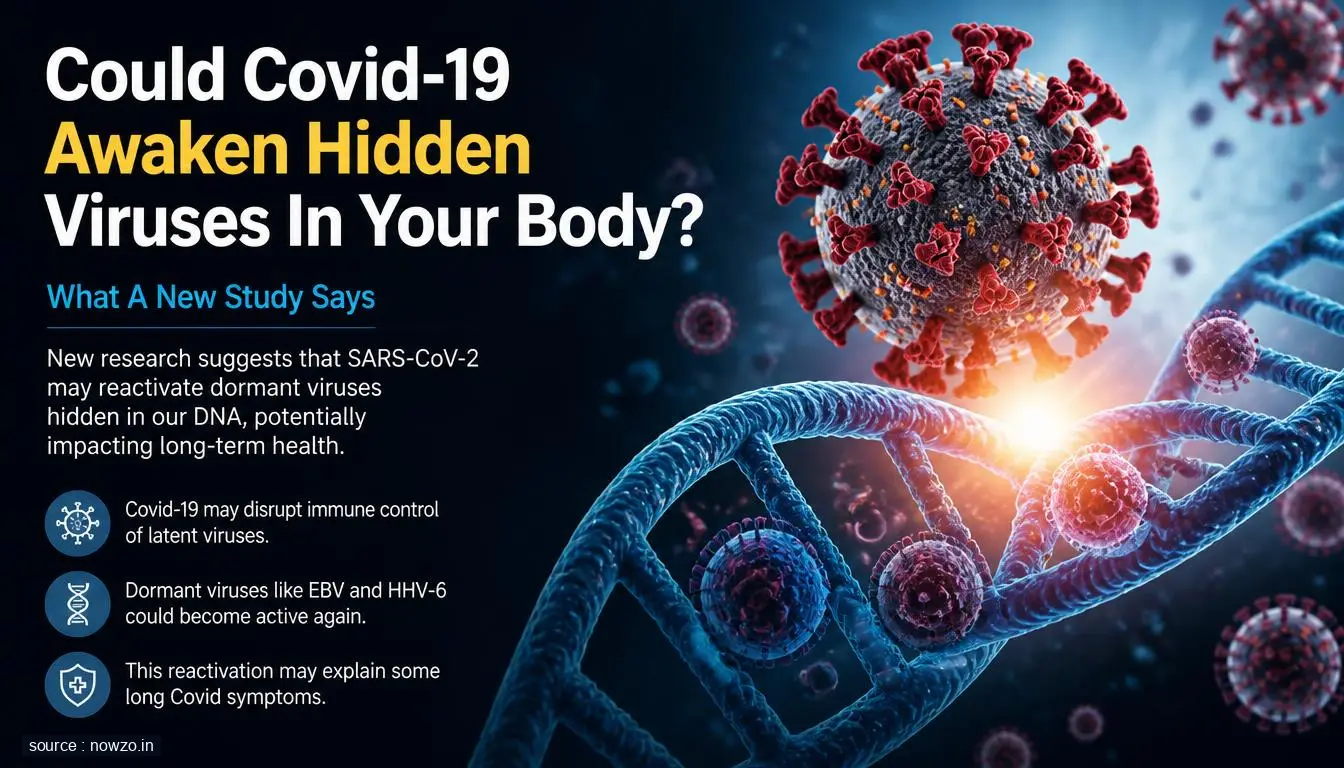
Scientists are uncovering evidence that Covid-19 may do more than cause acute respiratory illness—it could potentially awaken viruses that have been lying dormant in the human body for years. New research suggests that SARS-CoV-2 infection can reactivate latent pathogens, including Epstein-Barr virus and herpes viruses, raising important questions about the long-term health consequences of the pandemic.
The Reactivation Phenomenon
According to recent studies, the immune system disruption caused by Covid-19 appears to create conditions that allow dormant viruses to reawaken. These hidden viruses, which many people carry without symptoms, can become active again following coronavirus infection. Researchers have specifically identified connections between Covid-19 and the reactivation of Epstein-Barr virus, a common pathogen that typically remains inactive after initial infection.
The phenomenon extends beyond a single virus type. Herpes viruses, which establish lifelong latency in the body, have also been observed to reactivate in some Covid-19 patients. This reawakening of dormant pathogens represents a significant shift in how medical professionals understand the virus's impact on human health.
Links to Long Covid
One of the most compelling aspects of this research involves the potential connection to long Covid. Scientists are investigating whether reactivated viruses contribute to the persistent symptoms that plague many patients long after their initial coronavirus infection has cleared. The reactivation of these dormant pathogens may help explain why some individuals experience prolonged fatigue, cognitive difficulties, and other lingering health problems.
Research indicates that one particular reactivated virus has been specifically linked to long Covid symptoms. This discovery provides a potential biological mechanism for the condition that has affected millions worldwide, offering new avenues for diagnosis and treatment approaches.
Implications for Future Respiratory Infections
The consequences of viral reactivation may extend beyond the immediate post-Covid period. Studies suggest that when dormant viruses reawaken, they could affect how the body responds to future respiratory infections. Researchers warn that this phenomenon might explain why subsequent flu infections could potentially hit the lungs harder in people who have had Covid-19.
This finding underscores the importance of monitoring patients who have recovered from Covid-19 for signs of viral reactivation. It also highlights the complex interplay between different viral infections and the human immune system, suggesting that the full impact of the pandemic on public health may continue to unfold in the coming years.
As research continues, medical professionals emphasize the need for ongoing vigilance and further study to understand the complete scope of how Covid-19 interacts with dormant viruses in the human body.



Comments