
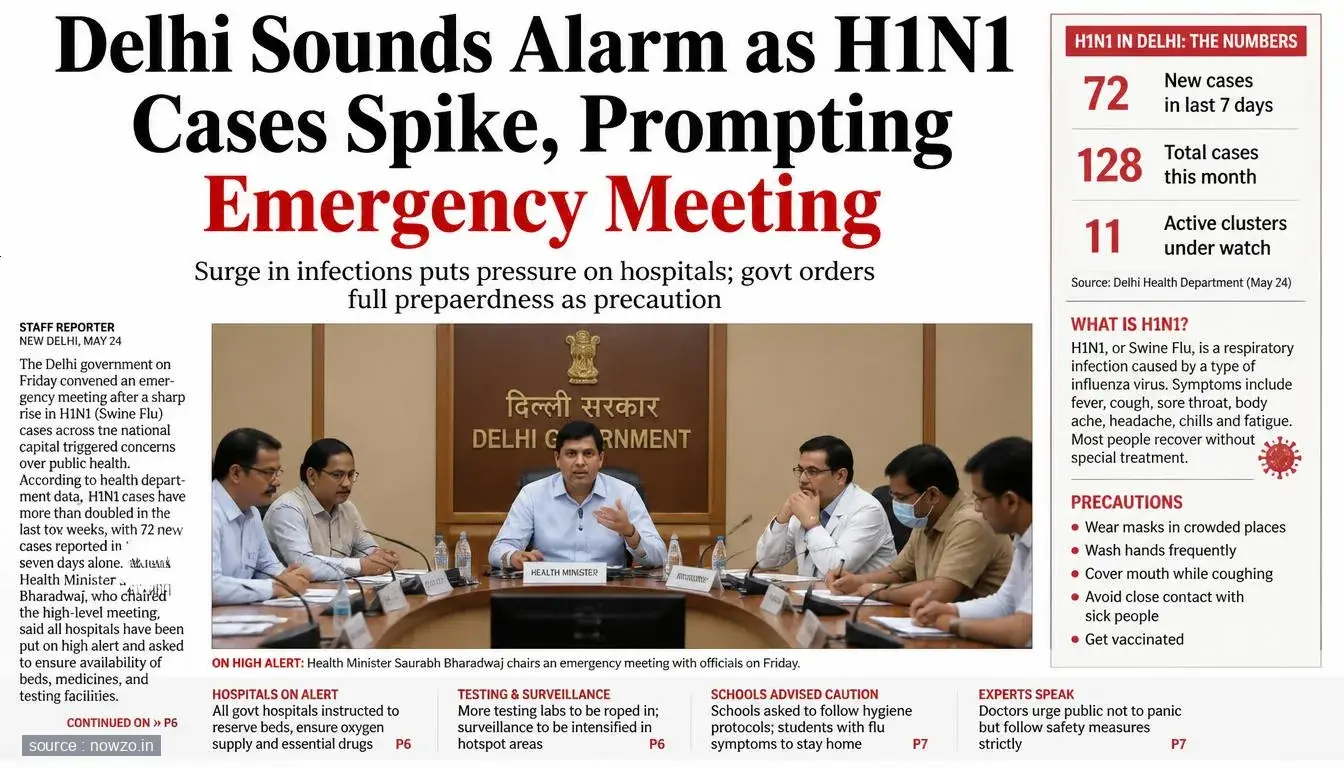
Delhi’s health system is under strain as a surge in H1N1 influenza cases has prompted urgent government action. More than 2,300 cases of the H1N1 strain have been confirmed among a total of 3,000 influenza infections reported in the capital, raising alarms about public health preparedness.
- Total influenza cases: 3,000
- H1N1 cases: over 2,300
- Government response: emergency meeting called by CM
Rising Concerns and Official Response
The numbers tell a worrying story—H1N1 isn’t just present; it’s dominant. This isn’t a routine flu season. Chief Minister Arvind Kejriwal has called for an emergency meeting, signaling the gravity of the situation. The government’s move suggests they’re taking no chances, even as some officials claim the situation is "under control."
What This Means for Residents
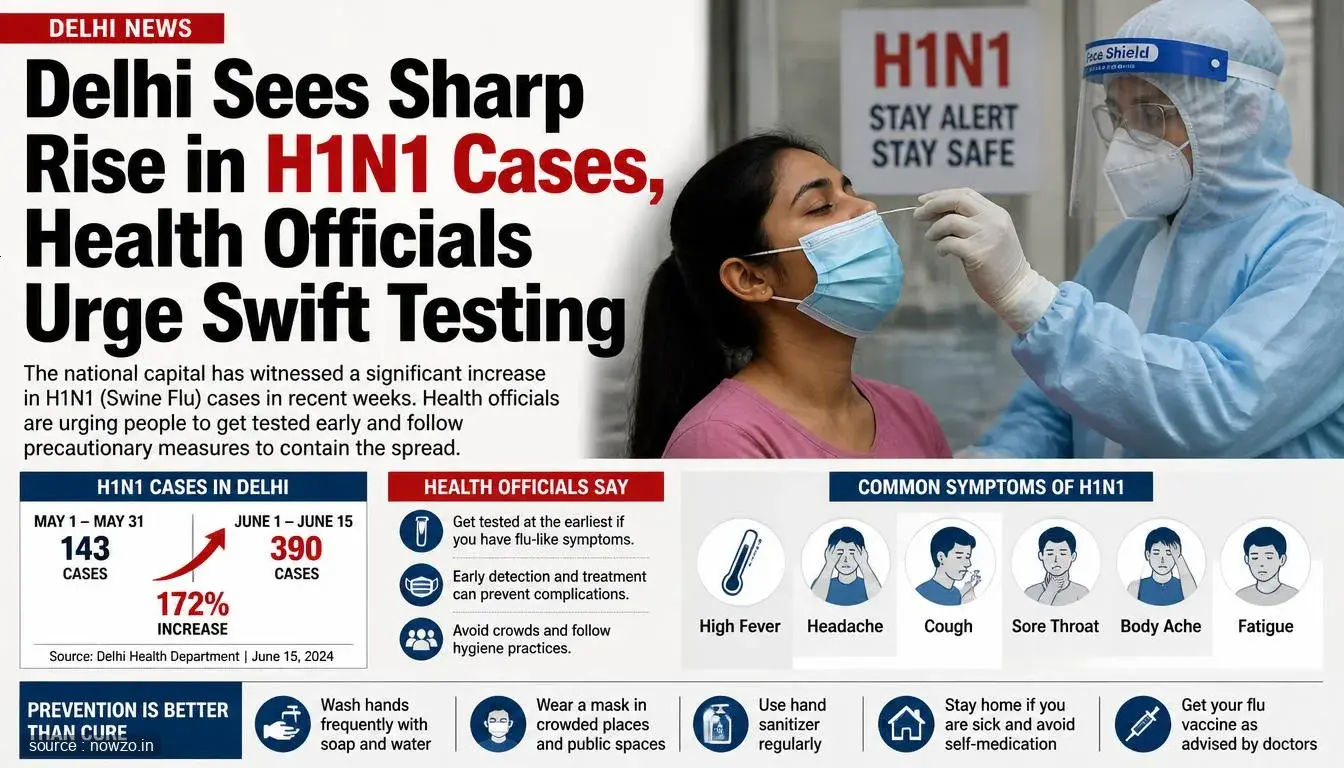
For Delhi’s residents, the spike is a reminder to stay vigilant. H1N1, a subtype of Influenza A, can lead to severe complications, especially in vulnerable groups. Health experts are urging people to watch for symptoms like fever, cough, and body aches, and to seek medical advice promptly.
Broader Context and Comparisons
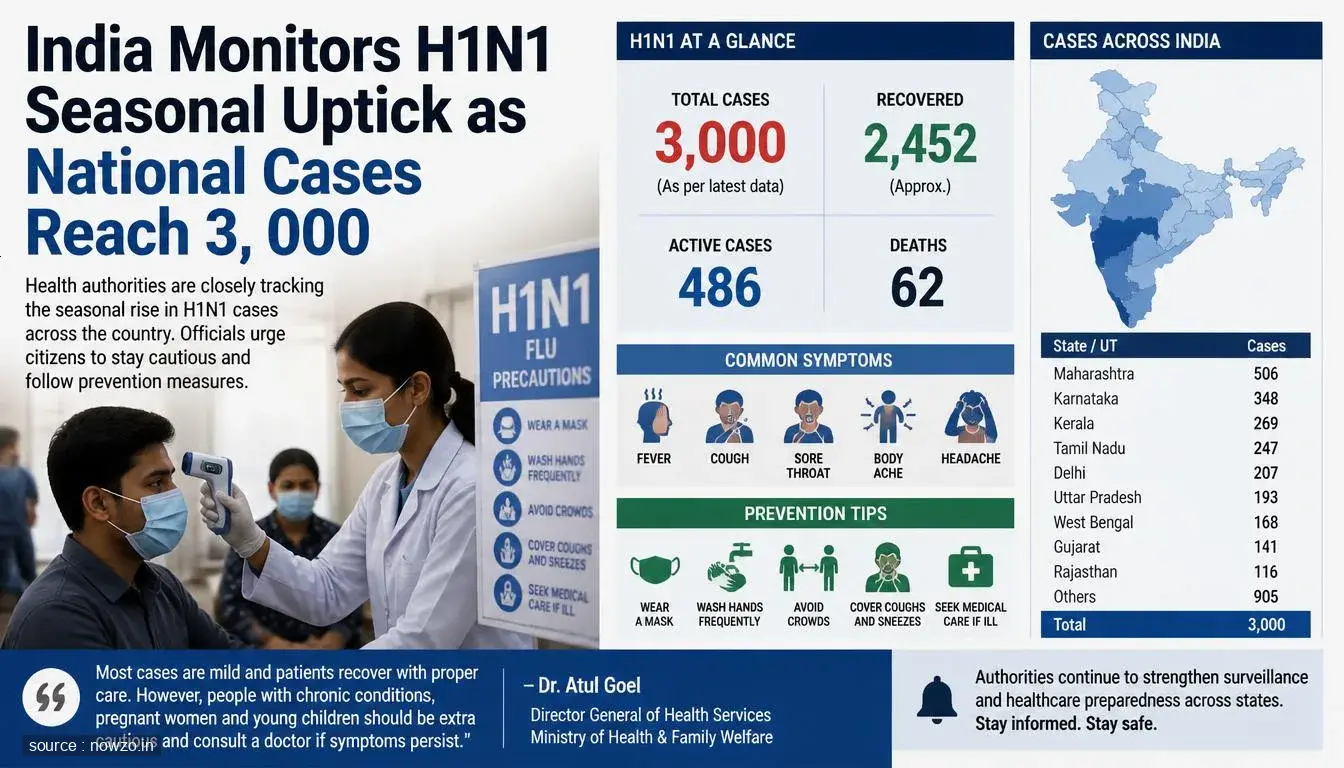
While Delhi grapples with its outbreak, reports suggest other cities like Bengaluru are also seeing rises, though comparisons vary. The situation highlights the need for coordinated health responses and public awareness, particularly as seasonal flu patterns shift.




Comments