
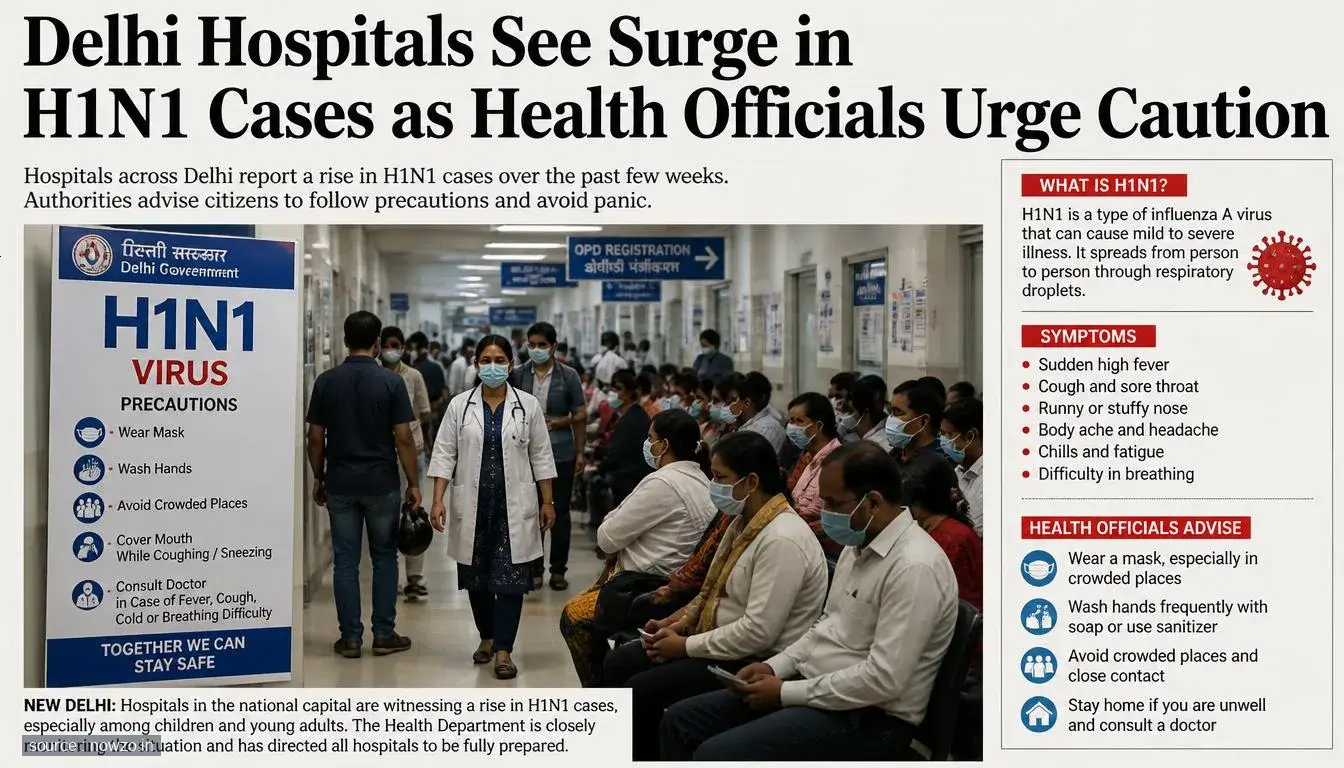
Hospitals across Delhi are bracing as H1N1 influenza cases surge, with over 1,700 infections reported and patient footfall rising sharply. Doctors are flagging heightened risks, urging the public to recognize symptoms early and seek timely care.
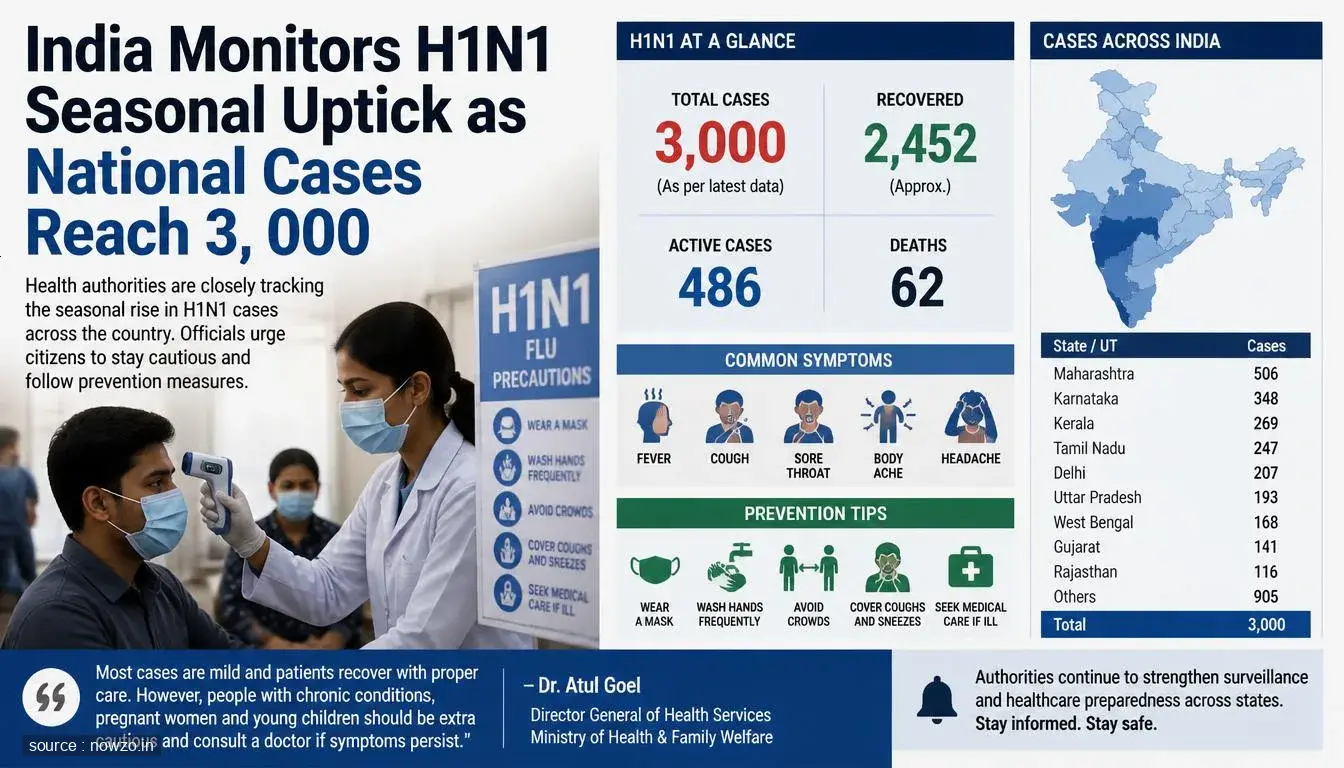
- Delhi has recorded more than 1,700 H1N1 cases
- H1N1 accounts for approximately 70% of all current infections
- Zero deaths have been reported so far
- Health ministers are reviewing treatment facilities
Rising Concerns and Official Response
The spike has put health authorities on alert. JP Nadda and Delhi’s Health Minister conducted a review of medical facilities, emphasizing the need for robust readiness. The situation feels tense but controlled—hospitals are managing, yet the numbers keep climbing.
Recognizing the Symptoms
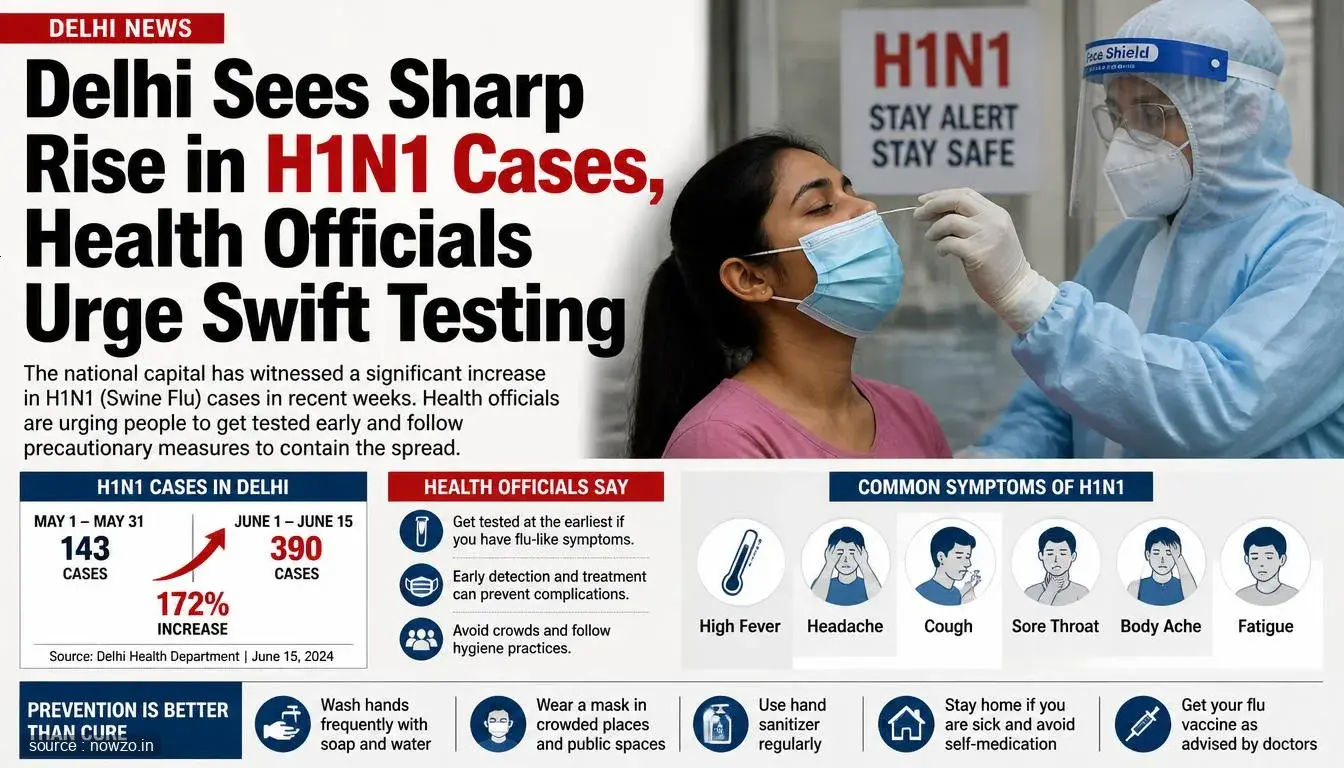
The Health Ministry has circulated a clear list of symptoms to watch for: fever, cough, sore throat, and body aches. Early detection is critical. Unlike some previous outbreaks, this wave has not yet resulted in fatalities, but vigilance remains non-negotiable.
How It Differs from COVID-19
While the surge stirs memories of recent pandemics, health experts clarify that H1N1 behaves differently from COVID-19. The strain is familiar, treatments are established, and—so far—outcomes have been less severe. But that doesn’t mean comfort. Every bed counts. Every case matters.




Comments