
Imagine a world where clinical trials run faster, public health threats are spotted earlier, and patient care is finely tuned to individual needs. That future is unfolding now, as digital technologies sweep through the realms of clinical research and public health.
Key facts
- Digital tools enable real-time data collection and analysis
- AI and machine learning improve diagnostic accuracy and predictive modeling
- Wearable devices provide continuous health monitoring outside clinical settings
A new era for clinical trials
Gone are the days of slow, paper-heavy research processes. Digital platforms now allow scientists to gather and analyze data in real time, slashing the time from hypothesis to result. Wearable sensors track everything from heart rate to sleep patterns, giving researchers a rich, continuous stream of information—without requiring patients to stay in a lab.
Transforming public health strategies
On the public health front, these tools are nothing short of revolutionary. AI algorithms can sift through mountains of data to identify disease outbreaks before they spiral out of control. They help health officials allocate resources where they’re needed most and craft responses that are both swift and precise.
What it means for patients
For individuals, this shift promises care that’s more personalized and proactive. Continuous monitoring through smart devices can flag health issues early, while telehealth platforms bring expert consultations to anyone with an internet connection. It’s healthcare that meets people where they are—literally.
Looking ahead
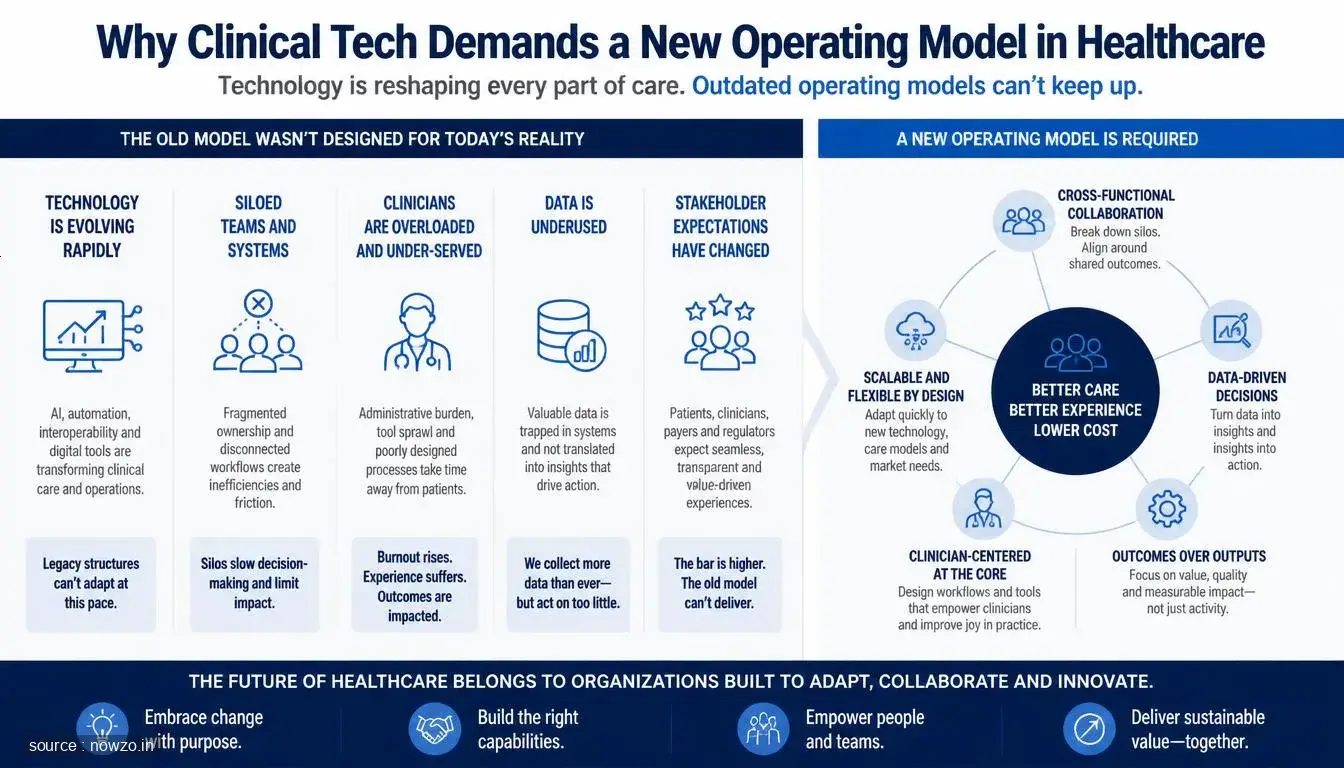
The integration of digital tech is still accelerating, with new applications emerging regularly. While challenges around data privacy and equitable access remain, the potential to save lives and improve well-being is immense. This isn’t just an upgrade—it’s a reinvention of how we understand and manage health.

Comments