
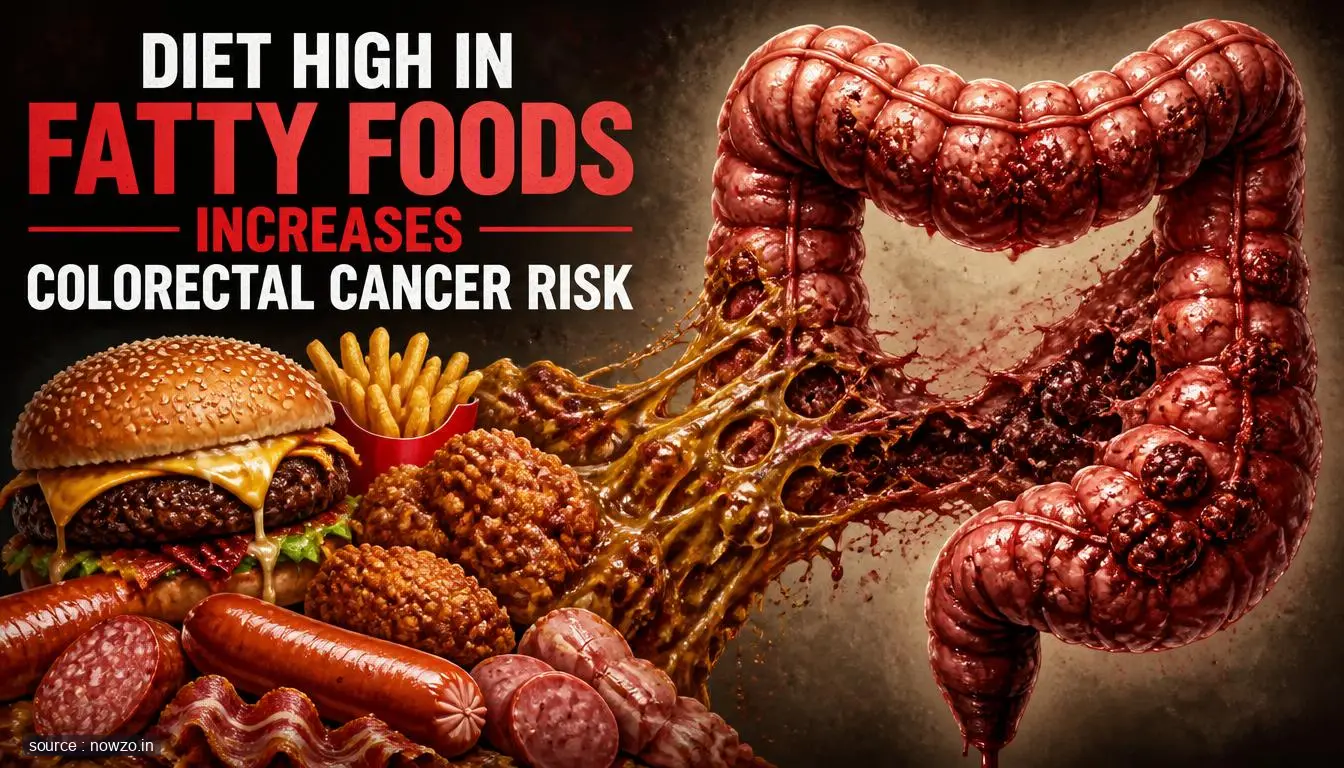
Emerging health reporting underscores the critical connection between nutritional habits and gastrointestinal health, warning that regular consumption of fatty foods can elevate the risk of colorectal cancer.
The Connection Between Dietary Fat and Colorectal Cancer
Colorectal cancer, which affects the colon and rectum, is among the most prevalent forms of cancer worldwide. Research and medical insights consistently point to lifestyle factors—particularly diet—as playing a significant role in individual risk levels. Diets heavy in fats, particularly saturated and heavily processed fats, have been shown to negatively impact the digestive tract and create conditions favorable to cancer development.
When large amounts of fatty foods are consumed, the digestive system produces higher concentrations of bile acids to break down the fats. Over time, elevated levels of certain bile acids can cause cellular irritation and inflammation in the lining of the large intestine, potentially triggering mutations that lead to malignant growths.
Preventive Nutrition and Digestive Health
Health specialists recommend moderating fat intake and adopting dietary patterns rich in whole foods to help mitigate the risk of colorectal conditions. Key protective habits include:
- Increasing the intake of dietary fiber through vegetables, fruits, legumes, and whole grains.
- Limiting the consumption of high-fat processed foods and red meats.
- Maintaining regular physical activity to promote healthy bowel function and overall metabolic balance.
While genetics and age remain non-modifiable risk factors, adjusting dietary patterns offers a tangible, proactive way for individuals to safeguard their long-term digestive health.




Comments