
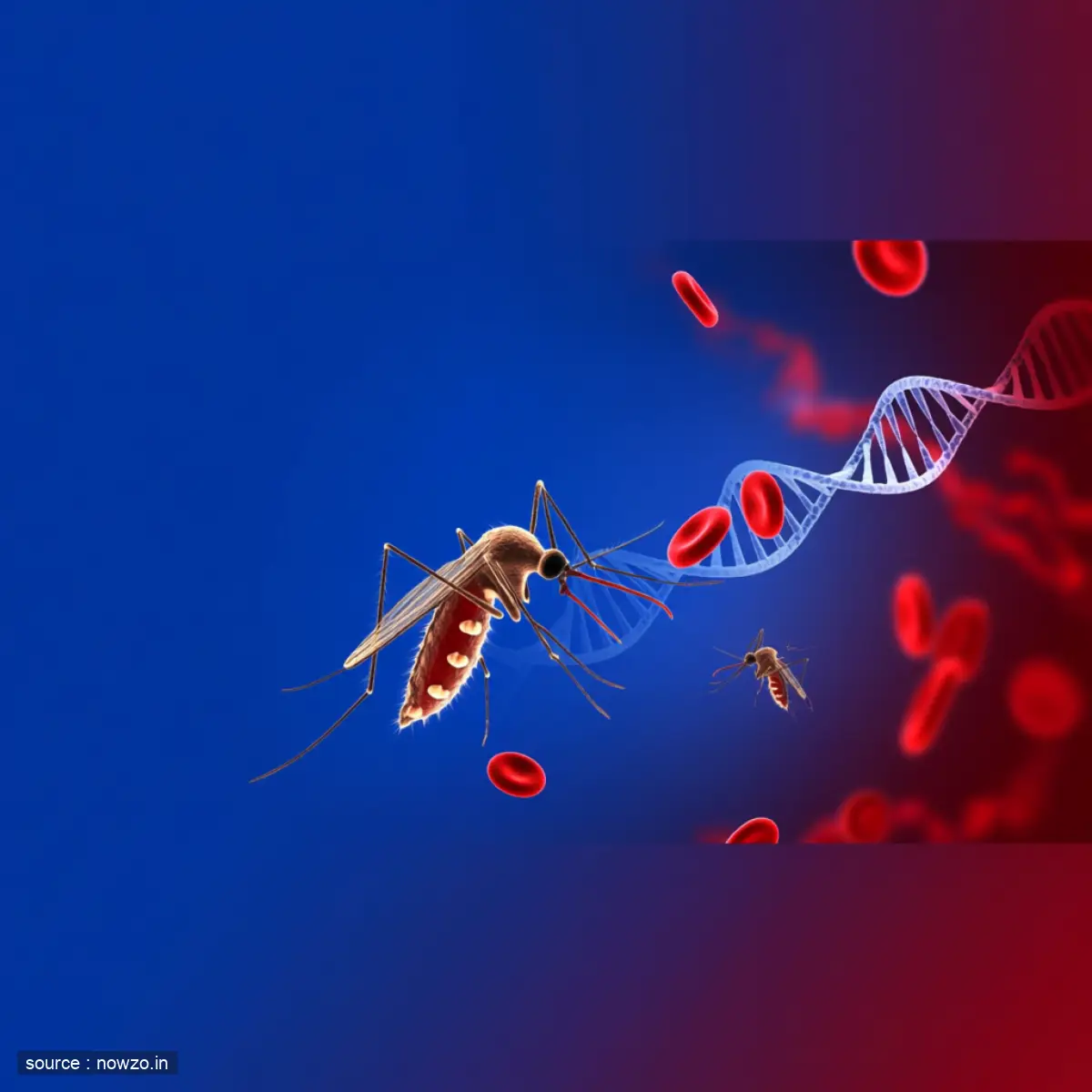
Malaria parasites are developing resistance to treatment through rapidly spreading genetic variants, according to recent research findings. This alarming development poses significant challenges for global malaria control and elimination efforts.
Understanding the Resistance Mechanism
The emergence of these genetic variants represents a critical threat to existing antimalarial therapies. As these variants spread through parasite populations, they undermine the effectiveness of current treatment protocols that have been instrumental in reducing malaria-related mortality worldwide.
Genetic mutations in malaria parasites are not uncommon, but the rapid dissemination of treatment-resistant variants is particularly concerning for healthcare systems in endemic regions. The ability of these parasites to evolve and adapt to pharmaceutical interventions demonstrates the ongoing evolutionary arms race between medical science and infectious disease.
Implications for Global Health
The spread of resistant malaria parasites could have far-reaching consequences for public health initiatives, particularly in regions where malaria remains endemic. Treatment failures may lead to increased transmission rates, prolonged illness, and potentially higher mortality rates among affected populations.
Healthcare providers and researchers must now contend with the reality that existing antimalarial drugs may become less effective over time. This situation necessitates continued surveillance of parasite populations and the development of novel therapeutic approaches to stay ahead of evolving resistance patterns.
The Path Forward
Addressing this challenge requires a multifaceted approach, including enhanced monitoring of genetic variants, investment in new drug development, and implementation of combination therapies that may slow the emergence of resistance. International collaboration will be essential to track the spread of resistant variants and coordinate response efforts.
The identification of these rapidly spreading genetic variants serves as a stark reminder of the dynamic nature of infectious diseases and the continuous need for innovation in medical treatment and disease prevention strategies.


Comments